BECOME MORE AWARE OF ILLNESS IN ANIMALS.
 Develop a foundation for further learning about animal health
- Understand how far you can legally go with examining animals for health issues, and at what point you need to call in a veterinary professional.
- Study this course and better understand how veterinary professionals systematically investigate and determine health issues in animals.
Routine disease investigations are based on clinical, pathological and epidemiological evidence. If there is a need for conclusive identification of a disease or condition, an accurate laboratory diagnosis should be obtained. It is particularly important, especially in the case of infectious diseases that the final diagnosis rests on adequate aetiological evidence. In most cases disease investigations are carried out by qualified government stock inspectors and/or veterinarians. It helps for animal owners to understand and be able to recognise diseases conditions that may affect their animals, so that timely intervention can occur.
(Note: The professionals involved and regulations governing their scope of operation can vary from one country to another).
COURSE STRUCTURE AND LESSON CONTENT
This course has ten lessons:
Lesson 1. How Animal Diseases are Diagnosed
Conducting clinical examinations, gross and clinical pathology, information to collect and how to collect it (live animal and necropsy samples), specialist support services to assist in diagnosis (i.e. types of laboratories, specialist vets etc.).
Lesson 2. Diagnostic Testing
Pathways followed to detect and diagnose different types of diseases, information to be supplied with samples for diagnostic testing, and diagnostic techniques
Lesson 3. Viral Diseases
Characteristics of viruses and the significance of a range of viral diseases that affect animals. You will study viral taxonomy, types and structure of viruses, virus replication cycle, transmission, and some common viral conditions.
Lesson 4. Bacteria and Fungal Diseases
This lesson looks at the characteristics of bacterial and fungal organisms. Topics include: laboratory identification, controlling infections, specimen collection, and important disease conditions.
Lesson 5. Parasitological Conditions
Discuss and differentiate a range of conditions that are caused by parasites. Topics include: Terminology and classification, life cycles, protozoa, helminths, and arthropods.
Lesson 6. Metabolic and Nutritional Conditions
Lesson covers a range of common metabolic conditions affecting cattle, horses, pigs, sheep/goats, cats and dogs
Lesson 7. Poisoning
Discuss and differentiate some common disorders that result from poisoning or toxins. These include: Cardio-respiratory, Central Nervous System (CNS), dermatological, gastrointestinal, hepatological, and haematological disorders.
Lesson 8. Inherited Conditions (Genetic Disorders)
Discuss types of genetic inheritance, and give examples of genetic diseases affecting horses, dogs, and cats.
Lesson 9. Other Conditions and Disorders
Identify and discuss miscellaneous conditions such as allergies, dehydration, and age related conditions.
Lesson 10. Research Project
In this project you will evaluate symptoms of ill-health or disease displayed by a set of animals, and go through the process of identifying the problem and deciding on a course of treatment.
Common signs of an ill or injured animal
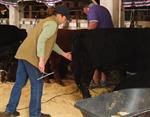 It is impossible for even the best educated animal health expert to monitor every aspect of an animal's health all the time. On a farm, the farmer can have hundreds of animals to deal with; and in a zoo, the zoo keeper may be dealing with even more. Routine and regular blood tests and medical scans are expensive, invasive, and can be distressing to the animals.
 There are, however, simple indicators of ill health, which a well trained animal expert should be able to detect with little more than a glance at the animal. Learning to manage animal health involves learning to notice things such as the following; knowing what these indicators mean, and knowing how to respond to them.
- The animal not eating as much as usual – this is usually the first sign you will notice
- It may also drink more or less water than normal, depending on the illness.
- An animal standing by itself away from the herd
- Animal limping or dragging a leg
- Discharge from eyes, nose, or vaginal area
- There may be abnormal lumps
- The eyes may be dull and the mucous membranes may have changed colour. Deep red membranes indicate fever; pale membranes show anaemia; yellow membranes indicate a liver disorder, while blue-red membranes show heart and circulatory problems, or pneumonia.
- Animal making unusual noise (bellowing, grunting)
- Animal acting uncomfortable, getting up and down
- The animal might be sweating. A cold sweat indicates pain, while a hot sweat indicates fever.
- If the animal is in pain, it will probably be restless (getting up and down and pacing about), and it may even be groaning
- Diarrhoea or straining to defecate
- Animal not defecating or with very little stool
- Animal urinating a lot, or not as much as usual
- Marked weight loss or gain
- The coat will look dull and dry, and the hairs may stand up.
- There may the presence of open sores, dandruff, or the loss of hair or fur from the body
- Behavioural signs - Recognise any significant differences in the behaviour of an animal such as increases in viciousness, lethargy or any other abnormal signs such as excessive head shaking, scratching, licking or biting of certain parts of the body
- The vital signs of a sick animal will change. The temperature may go up or down. A rise in temperature of one or two degrees usually indicates pain, while a rise of more usually indicates infection.
- The rate of respiration, and the way the animal breathes could also slow changes. With pain or infection, breathing becomes more rapid. In a very sick animal, breathing can be laboured and shallow.
- A slightly increased pulse rate suggests pain, while a rapid pulse suggests fever. An irregular pulse can indicate heart trouble. In a very sick animal, the pulse is weak and feeble.
- A sick animal may also possess foul breath or excessive tarter deposits on the teeth.
Record Keeping is Important
 It is important that anyone working with animals is capable of keeping accurate and comprehensive records e.g. the condition of animal, the work or treatment carried out, any additional needs of the animal or any incidents involving the animal. Historical information about individual animals can form a basis for improving husbandry practices and veterinary procedures.
Avoid the use of paper by keeping electronic records. Some information regarding taxation and accounts must be retained for legal purposes. Other information about accidents or workplace injuries should be kept on file for future reference. Organising records and information is part of the professional groomer’s role.
Create a database or spreadsheet from the beginning of business operations to help you keep accurate records of the animals and clients you work with.
Accessing the right information online
Information can also be provided easily for various species online. There a number of databases which keep accurate and transparent records for all kinds of animals being looked after by organisations such as wildlife parks and zoos.
The usual kinds of information found online about species cared for in parks, zoos etc. include:
- Sex – male/female/unknown.
- Species – scientific name.
- Individual identification numbers.
- Enclosure – original enclosure (if animal is being transferred).
- Population information – life history (e.g. births, deaths, transfers, parents of individual and any other relevant population information).
- Husbandry Information – enrichment used, changes in diet (if required), training and conditioning used, changes in social-structure, levels of interaction with humans and types of interactions.
- Medical Information – treatment received, physical condition, any previous injuries, faecal samples and veterinary check information.
- Animal Information – notes on behaviour, reproductive behaviour and social interactions.
- Other relevant information – additional information about original enclosure, local climate and the location of the animal in the zoo.
To access the data held on records, generally you will need to be eligible to register as an employee of the park/zoo/organisation. If you are employed by an organisation and you work closely with animals, you will be expected to keep these records up to date by adding your own data via the parks own record keeping system.
If you do not need this level of information, you will always find a range of relevant information relating the species of animals you work on using credible online resources.
Who should study this course?
This course is suitable for -
- veterinarians
- veterinary staff
- animal rescue staff
- farmers and farming staff
- pet stores staff
- dog groomers
- dog breeders
- dog boarders
Why Study This Course?
This course -
- Is a great addition to your CV or resume
- Will improve your job and career prospects in animal care and husbandry
- Increase your knowledge of animal diseases. This is useful for anyone working with animals.
- Expand or updating your existing knowledge of animal disease
- Study by distance learning or online learning to fit in with your home and work committments.
Any Questions?
This course will enable you to learn more about animal diseases.
If you are not sure if this is the course for you, our animal studies tutors can answer any questions.