Learn more about animal health care using natural treatments.
 Study naturopathy, herbal treatments, tactile therapy and homeopathy.
- Recognised course - recognised by the Complementary Medical Association
Learn about the nature and scope of natural therapies that can be used to treat animals. This course is perfect for people who would like to work in Animal Health Care through holistic methods such as naturopathy, homeopathy, herbal treatments and tactile therapy.
This course is intended for both animal owners and people who work with animals - from pet shop and animal shelter staff to farmers and animal attendants at wildlife parks.
COURSE STRUCTURE AND CONTENT
 Natural Animal Health Care is a 100 hour course comprising 8 lessons:
Lesson 1. Introduction to Natural Animal Health Care
- Limitations of Conventional Medicine.
- Holistic Treatments.
- Homeopathy.
- Flower Essences.
- Naturopathy.
- Natural Nutrition.
- Tactile Therapy (Massage, Equine Tactile Therapy, Bowen Therapy, Canine Myofunctional Therapy, Physiotherapy, Shiatsu, Reflexology, Osteopathy, Chiropractic, Acupuncture, Microcurrent, Microwave Therapies, Ayurvedic Medicine, Traditional Chinese Medicine).
- Benefits of Natural Health Care.
- Codes of Practice for Animal Welfare.
- Health and Safety in Veterinary Practice (Separating Animals, Infectious Diseases,
- Containing Disease, Disposal of Dead/Infected Tissues, Dangerous non-Animal Wastes, Storage & Handling of Supplements/Equipment).
Lesson 2. Signs of Ill Health
- Normal Vital Signs.
- Recognising ill health.
- Disease Diagnosis.
- Homeopathic Remedies.
- Signs of Shock.
- Signs of Internal Bleeding.
- Signs of Poisoning.
- First Aid.
Lesson 3. Natural Nutrition for Animals
 The effect of Modern Living on Domestic Animals.
- Processed Pet Foods.
- Effect of Poor Nutrition on Animal Behaviour.
- Good Nutrition for Domesticated Animals (Carbohydrates, Protein, Fats/Lipids, Minerals, Vitamins, Supplements, Recipes).
- Nutritional Problems in Animals (Allergies, Dermatitis, Overweight, Underweight,
- Liver Disease, Livestock (Mineral supplements for farm animals, Nutritional Supplements).
Lesson 4. Holistic Health Care - Maintaining Health
- Creating a Healthy Environment (Domestic pets, Livestock).
- Health Maintenance.
- Preventing Arthritis in Dogs.
- The Vaccination Debate.
- Pet Dental Care.
- Flea Control.
- Disease Prevention in Livestock.
- Preventing Disease in Poultry.
- Avian Influenza.
Lesson 5. Holistic Health Care - Treating Health Problems
- Naturopathic Treatment.
- Homeopathic Treatment.
- Herbalism.
- Treating Common Ailments (Arthritis, Skin Problems, Digestive Complaints, Diabetes, Dental Problems).
- Pain Management.
- Identifying Pain.
- Pain Relief Medication.
- Herbal Treatments.
- Homeopathy.
- Flower Essences.
- Physical Therapy.
- Equine Tactile Therapy.
- Bowen Therapy.
- Canine Myofunctional Therapy.
- Behavioural Problems (Dogs - excessive barking, digging, aggression, phobias; Cats - urine spraying, scratching furniture, aggression; Birds).
Lesson 6. Animal Diseases & Health Problems (Domestic Animals)
- Dogs - Distemper.
- Heartworm.
- Parvo virus.
- Hydatid Disease.
- Cats - Ringworm.
- Feline Aids - Feline Immunodeficiency Virus.
- Hairballs.
- Feline Herpes Virus or Cat Flu.
- Rodents - Respiratory problems and Mycoplasma, Abscesses.
- Reptiles - Mouth Rot or Canker (Stomatitis); cytoparasites (Mites); Pneumonia.
- Fish, Cage Birds, etc.
Lesson 7. Animal Diseases & Health Problems (Livestock)
- Notifiable Diseases.
- Control of Internal Parasites.
- Horses (Tetanus, Lock Jaw, Strangles, Parasites, Colic, Equine Influenza)
Cattle (Parasites, Mastitis).
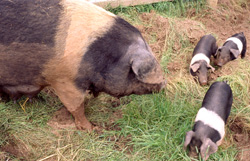
- Pigs (Exudative Epidermitis of pigs (Greasy Pig), Leptospirosis, Parasites).
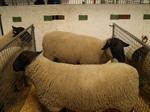
- Sheep (Enterotoxemia (Pulpy Kidney), Cutaneous Myiasis (Blow Fly strike).
- Poultry (Newcastle Disease (NCD), Yolk Sac Infection, Infectious Bronchitis (IB)).
Lesson 8. Animal Health Care Case Study Research Project
- Symptoms of ill-health displayed by an animal.
- Diagnosis of a problem.
- Deciding on a natural course of treatment for a specific health problem.
- Developing a management plan that an owner of the animal can undertake to help treat a problem and relieve associated pain and discomfort.
Preventing Health Problems is Better than Responding after they Occur
 Living in the modern world can negatively impact animal health, every bit as much as on human health. Pesticide residues, polluted air and impure foodstuffs can create problems with pets, farm animals and wildlife.
By-products from cities and factories such as smoke and traffic fumes can deplete vitamins A, E and C in large quantities. Sprays also deplete these vitamins as well as reducing zinc and magnesium levels. Anaemia is common in many animals despite iron being added to most foods. This is due to the fact that iron cannot be processed by the body without the presence of copper in the diet. Copper can be added to the diet simply by placing a piece of copper conduit in the animal’s drinking water.
Well-fed, psychologically content and properly exercised animals, have a healthy immune system which means they are better at fighting disease, are less prone to illness and should live a long and happy life.
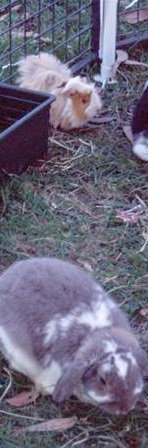 Creating and maintaining a healthy environment in conjunction with providing a balanced and nutritious diet will always be a preferred way to maintain an animal’s wellbeing.
Disease is one of the greatest risks of livestock health. The risk of disease should be minimised so as to avoid costly treatment and/or potentially having to destroy infected animals.
A significant source of many diseases and parasites are the individual animals themselves. Animals that may have been infected by a disease when young might still carry the disease later in life. Diseases can then be transmitted to younger stock that come into contact with these older animals. Steps can be taken to reduce the chance of disease spreading through a herd or flock without too much expense or the use of drugs or complicated treatments; but everything starts with understanding the diseases, what causes them, and avoiding situations that can lead to problems.
HOW THE COURSE WORKS
You can start the course at any time.
It is studied by distance learning, so you can study in the comfort of your own home. But this doesn't mean you are all alone in your studies. Our highly qualified and friendly tutors are there to help you every step of the way. If you have any questions at all, they are always happy to help.
Each lesson includes set tasks, and is completed with an assignment which the student submits to their course tutor. The tutor will mark the assignment and return this to the student with comments and suggestions for further reading.
WHY STUDY WITH ACS
- Quality courses - Our courses are written and taught by experienced professionals, so you know you can expect a high quality of teaching and support.
- Start at any time - You can start the course at any time and study at your own pace.
- You decide when to study - Fit your studies around your own busy lifestyle - we provide full tutor support for all the time you are studying.
- Flexible learning - Study where you want to - online studies offer the flexibility for you to determine where and when you study.
WHO IS THIS COURSE SUITABLE FOR?
This course is suitable for -
- pet owners
- pet shop workers
- veterinarians and their staff
- rescue workers
- holistic animal care workers
- animal breeders
- animal groomers
- dog walkers
This course is suitable for anyone who is interested in animals or works with animals and wants to care for them naturally and holistically.
WHY STUDY NATURAL ANIMAL HEALTH CARE
- Learn to understand animal health and nutrition.
- Learn how to treat animals in ways that are more effective than conventional medicine.
- You work with animals or are an animal lover who wants to better look after their own animals.
Any Questions?