Train to Work in Production Horticulture.
Learn about crop production - develop your knowledge of principles and techniques of horticulture, and learn about commercial production of different plants and crops.
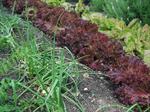
- A detailed training program for anyone wishing to develop a career in horticultural crop production.
- Understand about growing systems; irrigation; nutrition; protected plant production and more.
- Learn about different propagation methods.
- Understand about siting plants in optimal/appropriate locations.
COURSE STRUCTURE AND CONTENT
The course is structured into two parts. The first provides a sound, broad based foundation in horticulture, with added specialist detail provided by Stream Modules. Students then select one Elective Module to concentrate their studies on a particular subject area of interest.
CORE MODULES
The Core Modules comprise 15 lessons, as follows:
- Introduction To Plants
- Parts Of The Plant
- Plant Culture - Planting
- Plant Culture - Pruning
- Plant Culture - Irrigation and Machinery
- Soils and Media
- Soils and Nutrition
- Seeds and Cuttings (Propagation)
- Other Techniques (Propagation)
- Identification and Use Of Plants - Landscape Application
- Identification and Use Of Plants - Problems
- Identification and Use Of Plants - Indoor and Tropical Plants
- Pests
- Diseases
- Weeds
The Core Modules in Detail
The 15 lessons are divided into the following 6 areas:
1. Introduction to Plants
The purpose of this study area is to explain the binomial system of plant classification and demonstrate identification of plant species through the ability of using botanical descriptions for leaf shapes and flowers.
2. Plant Culture
The purpose of this study area is to demonstrate the ability to care for plants so as to maintain optimum growth and health while considering pruning, planting, and irrigation.
3. Soils and Plant Nutrition
The purpose of this study area is to provide students with the skills and knowledge to identify, work with and improve the soil condition and potting mixes, and to evaluate fertilisers for use in landscape jobs to maximise plant growth.
4. Introductory Plant Propagation
The purpose of this study area is to improve the student's understanding of propagation techniques with particular emphasis on cuttings and seeds. Other industry techniques such as grafting and budding are also explained.
5. Identification and Use of Plants
The purpose of this study area is to improve the student's range of plant knowledge and the plant use in landscaping and the ornamental garden, and the realisation that plants have optimum and preferred growing conditions.
6. Pests, Diseases and Weeds
The purpose of this study area is to introduce and help the student in identifying, describing and controlling a variety of pests, diseases and weeds in ornamental situations and safety procedures when using agricultural chemicals are explained.
STREAM MODULES
After completing the core modules, stream modules cover more specific niche subjects:-
Crops I (Outdoor Plant Production)
Protected Plant Production
ELECTIVE MODULES
Students are then required to study ONE of the following EIGHT modules:–
Commercial Vegetable Production
Cut Flower Production
Fruit Production – Temperate Climate
Fruit Production – Warm Climate
Nut Production
Viticulture
Berry Production
Mushroom Production
Please note that each of the stream and elective modules can be studied as separate courses if you prefer.
COURSE AIMS
- Explain different cropping systems and their appropriate application for the production of different types of crops.
- Evaluate and explain organic plant production, and the requirements in at least two different countries, to achieve organic certification.
- Explain the function of soils and plant nutrition in outdoor cropping systems.
- Describe the commercial production of a range of nursery stock.
- Describe the commercial production of a range of tree fruit crops.
- Explain techniques used to produce a range of soft fruits.
- Explain techniques used to grow a range of vegetables.
- Explain the commercial production of outdoor-grown cut flowers.
- Describe the commercial production of herbs, nuts and other miscellaneous crops.
- Identify the risks that may occur in outdoor crop production.
- Describe and Evaluate the type and shape of modern growing structures.
- Describe and evaluate environmental controls in protected cropping.
- Explain the nature of solar radiation, transmission properties of glass and its substitutes.
- Determine the water requirements of a crop; and methods of irrigation.
- Relate horticultural principles to the production and harvesting of a range of crops.
- Evaluate the factors involved in marketing protected crops.
- Evaluate the factors involved in marketing protected crops.
- Undertake risk assessment for a protected crop.
- Describe the relevant identifying physical features of flowering ornamental plants.
- Demonstrate how to use prescribed reference books and other resources to gain relevant information.
- Dissect, draw and label two different flowers.
- Collect and identify the shapes of different leaves.
- Demonstrate how to identify between family, genus, species, variety and cultivar.
- Describe how to prune different plants.
- Demonstrate how to cut wood correctly, on the correct angle and section of the stem.
- Describe how to plant a plant.
- Demonstrate an awareness of different irrigation equipment, sprinklers, pumps and turf systems available by listing their comparative advantages and disadvantages.
- Demonstrate competence in selecting an appropriate irrigation system for a garden, explaining the reasons why that system would be preferred.
- Define water pressure and flow rate and how to calculate each.
- Explain the need for regular maintenance of garden tools and equipment.
- List factors that should be considered when comparing different types of machinery for use in garden maintenance.
- Describe the soil types commonly found in plant culture in terms of texture, structure and water holding and nutrient holding capacity.
- Describe methods of improving soil structure, infiltration rate, water holding capacity, drainage and aeration.
- List the elements essential for plant growth.
- Diagnose the major nutrient deficiencies that occur in ornamental plants and prescribe treatment practices.
- Describe soil pH and its importance in plant nutrition.
- Describe the process by which salting occurs and how to minimise its effect.
- Conduct simple inexpensive tests on three different potting mixes and report accordingly.
- Describe suitable soil mixes for container growing of five different types of plants.
- List a range of both natural and artificial fertilisers.
- Describe fertiliser programs to be used in five different situations with ornamental plants.
- Demonstrate propagation of six (6) different plants by cuttings and three from seed.
- Construct a simple inexpensive cold frame.
- Mix and use a propagation media suited to propagating both seed and cuttings.
- Describe the method and time of year used to propagate different plant varieties.
- Describe and demonstrate the steps in preparing and executing a variety of grafts and one budding technique.
- Explain the reasons why budding or grafting are sometimes preferred propagation methods.
- Explain in general terms the principles of pest, disease and weed control and the ecological (biological) approach to such control.
- Explain the host-pathogen-environment concept.
- Describe a variety of pesticides for control of pests, diseases and weeds of ornamental plants in terms of their active constituents, application methods, timing and rates, and safety procedures.
- Photograph or prepare specimens, identify and recommend control practices for at least five insect pests of ornamental plants.
- Photograph, sketch or prepare samples, identify and recommend control practices for three non-insect ornamental plant health problems (e.g. fungal, viral, bacterial).
- Describe the major ways in which diseases (fungal, viral, bacterial and nematode) affect turf, the life cycle features that cause them to become a serious problem to turf culture and the methods available for their control.
- Identify, describe and recommend treatment for three different weed problems.
- Collect, press, mount and identify a collection of ten different weeds, and recommend chemical and non-chemical treatments which may be used to control each.
- List and compare the relative advantages and disadvantages of different weed control methods.
THE SCOPE AND NATURE OF CROPS
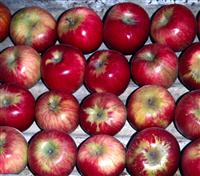
The range of things grown as crops is huge, and the ways in which crops might be grown is also very diverse. Crops can include:
Vegetable Crops
Vegetables are mostly small plants frown for edible roots, stems, leaves and/or fruits. They may be eaten fresh or processed and preserved to produce marketable products.
Fruit and Nut Crops
These include a wide range of fruits and nuts, mostly grown on trees, but also shrubs, vines and some other types of plants. Like vegetables, these may be sold fresh or processed. Nuts can produce not only the fresh or dried nuts, but also nut meal (a flour substitute) and nut oils.
Fruits are processed and sold as dried, frozen or juiced products; made into wines, jams and other types of preserves.
Cereal Crops
Cereal crops are grasses that produce edible starchy seeds. Cereals can be utilised as human food or as animal feed that is eventually converted into dairy, poultry or meat products for human consumption. The most common examples of cereal crops are wheat, barley, rice, and corn.
Oil Crops
These include oilseeds (e.g. Sunflower), herbs (e.g. Lavender) and other plants (e.g. Olive trees) that are grown for the extraction of oil from the harvested seed.
Fibre Crops
Fibre crops are grown for fibres, used to make cloth, paper, rope, twine, and other such materials. Single celled short fibres come from the seeds of cotton plants, which are mostly used in fabrics. Long hard multiple celled fibres crops such as hemp are used as ropes or cords, whereas soft multiple celled fibre crops such as flax is used to make linen, and some softer hemp fibres can be used in the manufacture of canvas. Cotton is the most common crop used for textile fibre. It is also an oilseed crop as cotton seed oil has a number of uses, such as cooking oil, is used to manufacture cotton seed oil soap and is also used as a high protein stockfeed.
Legume Crops
Legumes are particularly valuable crops. Legume crops are a broadleaf crop (not a grass crop) that is grown for grain, grain products and oilseeds. They are also grown as fodder crops and hay for stock. Legumes are unique in that they have a symbiotic relationship with rhizobia (a nitrogen fixing bacteria that forms on the plants roots) that allows them to fix atmospheric nitrogen. That is, through their symbiotic relationship with the rhizobia, they are able to fulfil their nitrogen requirements through atmospheric nitrogen rather than extracting nitrogen from the soil profile, which over time depletes soil nitrogen reserves. Legume seed and foliage is higher in protein than non-legume seed and foliage, which makes legume crops highly desirable in agriculture. Chickpeas and lentils are a common example of a grain legume used for human consumption, Lucerne and cowpeas are an example of a legume fodder crop, and soybeans and peanuts are an example of an oilseed legume.
Fodder Crops
Fodder crops are grown specifically for animal food, They may be cereal crops (e.g. oats and forage sorghum) or they can be legumes (for example lucerne and cowpeas). They can be any combination of these types of plants, but are specifically grown for the purpose of stock feed. Fodder crops can be fed directly to livestock as green chop or they can be cut and stored into a longer shelf life form of feed such as hay and silage.
Forage crops and fodder crops can be the same type of crop but the pertinent difference is that forage crops are usually standing in the field where the onus is on the animal to forage for their feed (grazing), whereas fodder crops refer to the collection of green leaf material transported to the animal for consumption by the animal.
WHY TAKE THIS COURSE?
The Certificate In Horticulture (Crops) provides learning in the area of crop production, but because it will also provide the student with a good grounding of knowledge in horticulture the actual areas of application for graduates is very broad.
Roles that students may be working in or towards include:
- Working in a production nursery.
- Crop growing.
- Farm working.
- In an orchard.
- At a farm supplier.
- Crop processing.
- Marketing, education and media.
- Urban farming
WHAT NEXT?
Register to Study - You can enrol at any time, just go to panel toward top of this page (right column).
Or, if you have any questions or want to know more about the Certificate In Horticulture (Crops), get in touch with our specialist Horticulture tutors today. They will be happy to answer your questions and discuss different study options with you.