A tour guide needs to know something about the environment and ecology of the area in which the tour is conducted -that is what makes it an ecotour. More than this though; they need to have the skills, knowledge and equipment that is relevant to the particular tour they are leading.
Walking Tours
Walking tours are a popular branch of special interest tourism. More than any other type of tour, a walking tour allows tourists to immerse themselves in the countryside, away from traffic and other distracting intrusions. Walking in fresh air gives a sense of invigoration, freedom, and well-being – even short walks can be extremely rewarding. Walks may be formally organised by specialist walking tour operators, by walking clubs, or informally by groups of friends and family.
The range of walking tours includes:
-
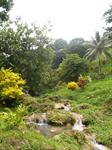 Short or half-day walks: these are often around historic town centres and in national parks or reserves. The walk may take between one and four hours duration.
- Day walks: walking up to five or six hours, not including lunch and rest breaks.
- Overnight walks: usually walking five or six hours to a new destination each night.
- Treks: long walks that take several days to weeks. ‘Adventure’ treks are the most challenging with the most difficult trails being found in mountainous regions such as in the Himalayan Mountains, the Andes, and in Patagonia.
- Theme walks: these are an increasingly popular niche in the special interest tourism market. Examples include: ‘cultural’ walking tours where walkers visit a number of historic towns and cultural sites, and ‘gourmet’ walking tours that have an emphasis on sampling regional foods.
Most walks and treks are graded according to their level of difficulty. The majority of short walks and theme walks are ‘easy’, suited to most people with a moderate level of fitness. For most day walks, participants require a moderate level of fitness. Walkers are usually required to carry a lightweight pack filled with a jumper/sweater, raincoat, camera, drinks, and snacks. Lunch may be carried in the walker’s pack or prepared along the way by the tour operator. On some tours, walkers may stop for lunch at inns or cafes along the way. Overnight walks and longer treks require a higher level of fitness and stamina. Packs are considerably heavier – on organised tours, the operator may transport the packs by car, bus, or pony to the next night’s destination. Depending on the tour, accommodation might be in tents, cabins, hotels, inns, or B&B accomodations.
Some walking tours are highly structured with a set itinerary and an accompanying tour guide leading a small group of walkers to each destination. Other tours are self-guided, with participants walking at their own pace and following maps to reach their pre-booked destination.
Cycling Tours
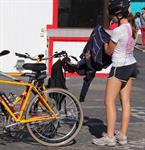 Cycling tours offer similar rewards to those experienced by walkers – fresh air, exercise, and a sense of freedom.
Cycling has another benefit – it’s faster so participants are able to travel much longer distances, which can be important when time is limited. Cycling, like other forms of adventure tourism, ranges from ‘soft’ to ‘hard’. Soft cycling appeals to both occasional cyclists and enthusiasts.
There is no element of risk-taking since cycling is done on bike tracks and quiet roads, with relatively few challenging uphill stretches. A backup vehicle and a luggage courier service often support organised tours. If the cyclist tires, it is possible to take a break from cycling and travel in the backup vehicle. Often the tour incorporates other tourism experiences such as visiting wineries and national parks.
Hard adventure cycling takes place on mountain bikes, following roads and off-road tracks. Tours are physically and mentally challenging with routes going up steep mountains, often on rough tracks. Some tours incorporate other hard adventure tourism experiences such as ‘heli-mountain biking’ (a helicopter ascent to the top of a mountain followed by a mountain bike descent), rafting and bungy jumping.