Professional Training in Environmental Waste Management.
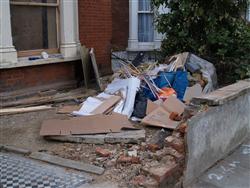 A great course for anyone working in waste management, or the broader field of environmental management.
- Develop a broad overview of the nature and scope of waste, and the many ways it can be treated in today's world.
- This course complements many of our other environmental courses; but is equally valuable as a stand alone training program.
- Course Duration: 100 hours of self paced study.
- Start Date: Start at any time.
Course Structure and Lesson Content
There are 6 lessons in this course:
Lesson 1. Domestic Waste
 Definitions
- The Earth's environment
- Conservation and use of resources
- Value of resources (i.e. economic, ecological, aesthetic
- Damage being caused
- Urbanisation
- Human impacts
- Treating sewage
- Characteristics of sewage
- Sewage composition (e.g. solids, organic material, industrial waste)
- Decomposition of sewage
- The nitrogen cycle
- Sewage system types
- Storm water systems and management
- Dry rubbish
- Nature of refuse
- Placement and protection of bins
- Trade waste
- Refuse collection systems
- Refuse collection vehicles
- Salvage materials
- Safe disposal of household chemicals
Lesson 2. Street Cleaning and Refuse Disposal
- Types of street refuse
- Street cleaning Techniques (e.g. gritting, sanding, sweeping, washing)
- Water pit
- Snow
- Refuse disposal (e.g. separation, controlled tipping, combustion, pulverisation)
- Refuse for fertiliser
- Methods of refuse Sorting (e.g. screening, magnetic, hand sorting)
- Incinerators
- Vacuum systems (e.g. garchey, gandillon)
- Harvesting energy from combustion
Lesson 3. Industrial Waste
- Types of industrial pollution
- The greenhouse effect
- Ozone depletion
Lesson 4. Toxic and Nuclear Waste
- Nuclear power
- Nuclear fission
- Mining nuclear fuel
- Uranium enrichment
- Gas diffusion
- Gas centrifuge
- Nuclear waste
- Transporting nuclear waste
- Reprocessing
- Health risks of nuclear waste
Lesson 5. Water Quality and Treatment
- Industrial effluent
- Pricing or direct control
- Water impurities
- Scope of purification
- Managing public water supply
- Water treatment methods
- Purification methods (e.g. sedimentation, filtration, disinfection, aeration, screening)
- Recycling sewage water
- Recycling waste water
- Reed bed treatment
- Water quality management (reducing physical, chemical, biological impurities)
- Water borne diseases
Lesson 6. Recycling Waste
- Scope and nature of recycling
- Rubbish tips (dumps)
- Recycling plastics
- Recycling metals
- Recycling glass
- Recycling paper
- Recycling rubber
- Actions by individuals (at home or work) for reducing, reusing and recycling waste
Each lesson culminates in an assignment which is submitted to the school, marked by the school's tutors and returned to you with any relevant suggestions, comments, and if necessary, extra reading.
What You Will Do
- Explain the nitrogen cycle and how it relates to waste treatment.
- Determine the economic considerations of different waste disposal systems.
- Compare industrial waste management with domestic waste management procedures.
- Determine the principles of "polluter pays" legislation and how it is applied.
- Describe how a budget is applied to managing a specific waste management enterprise.
- Discuss issues in nuclear power and nuclear waste technology (including hospital waste).
- Explain the cyclic nature of the water system and its relationship to environmental waste management.
- Monitor and recommend improvements to a specified recycling enterprise.
The Scope Of Waste Management
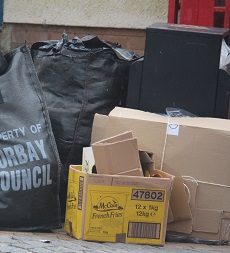
It is amazing what people will dispose of in a rubbish tip: washing machines, chairs, cars, computers etc. can all be found somewhere in a tip. In Germany some towns and cities have a system by which each suburban street is allocated one day each year to dump anything they like. If other people can get there early enough, they can often pick up some little treasures. The things they find may need a touch of paint, some nailing, gluing or a couple of screws. At the end of the day, the local authorities dispose of the leftovers.
A similar system operates in parts of Australia where ‘Hard and Green Waste’ collections are held. Set days may be allocated to individual areas, or residents might be told to have their waste placed on road verges (nature strips) prior to the week beginning on a certain date. This allows the waste collectors more flexibility in their pickups, as the types and amounts of waste put out can vary considerably from collection to collection. It also allows other people with permits i.e. second-hand dealers and people collecting scrap metal, more time to rummage through the waste for interesting items.
Generally some restrictions are placed on objects to be disposed of in these Hard and Green Waste collections for purposes of safety and to speed up the collection process, for example, some materials are not collected: These generally include:
- Waste from industrial premises.
- Waste resulting from the erection, renovation or demolition of buildings (including fences, bricks concrete, concrete rubble and excavation material). The exception to this may be short lengths of timber.
- Liquid wastes (including paints, oils, poisons, engine additives).
- Household garbage - this should be disposed of in regular domestic garbage collections.
- Car body parts other than those specified. This includes car tyres with or without rims.
- Hazardous/offensive waste, including asbestos and medical wastes.
- Pesticide containers and containers from other dangerous chemicals.
- Window glass.
Other restrictions might include such things as:
- Timber pieces must not exceed 1.5m in length.
- Tree pruning material and branches must be tied neatly in bundles no more than 150mm (6 inches) in diameter.
- Non-recyclable garden waste must be bundled or bagged.
- Metal products and white-goods should be kept separate from other items as they will be recycled.
- Recyclable garden waste should be placed in reusable containers, or placed in large paper bags or tied with twine so that they can go readily through mulchers and shredders.
- White-goods with large doors (e.g. refrigerators) should have the doors removed.
- Electrical goods (e.g. TV's Computer equipment) contain heavy metals that should be treated with forethought and care.
If as much rubbish as possible is recycled, the following would then happen:
- Resources would be conserved.
- The need to import materials would be reduced.
- Less energy would be required to produce goods from raw materials.
- The land would not be increasingly covered with rubbish dumps.
- Labour intensive operations could be created encouraging employment.
- It would help in the fight against inflation.
- Pollution would be reduced.
Organisations, such as charities, sporting groups, scouts and guides, and conservation groups good make money through recycling (e.g. collecting aluminium cans or newspapers).
Business And Work Opportunities
This course lays a foundation for a wide range of work and business opportunities.
Waste management industries today involve not only collection and transport of waste; but also treatment, disposal and recycling.
Many small and large businesses have been developed with the sole purpose of turning unwanted waste, into valuable products; and in doing so, reducing the quantity of pollutants that our modern world needs to deal with.
Doing this course will expand your awareness, prompt your entrepreneurial imagination and provide a foundation for understanding and finding gainful employment in the waste management industries.
What Next?
Register to Study - Go to the "It's easy to enrol"panel towards the top of this page (right column)
or if you have any questions, please contact us on -
Phone (UK) 01384 442752, or (International) +44 (0) 1384 442752, or connect with our tutors -
Use our FREE COURSE COUNSELLING SERVICE.