Study Herpetology by Distance Learning.
How can I get into Herpetology?
So … you are interested in the study of reptiles and amphibians. The first thing you need to do is ask yourself the following questions:
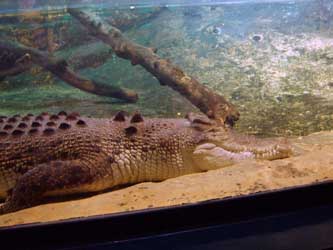
- Do I want to be involved with reptiles and amphibians?
or
- Do I want to become a herpetologist?
If you are interested in becoming a Herpetologist as a professional career, you will more than likely require a high-level qualification.
It is probably more likely that you want to be involved with reptiles and amphibians, either through working with them or having them as pets.
If this is the case, then this Herpetology course is a fantastic introduction to the world of these fascinating animals.
- Start this 100 hour course at any time.
- Study with the help and guidance of our expert tutors.
COURSE STRUCTURE AND CONTENT
There are 9 lessons in this course:
-
Introduction to Herpetology
-
Herpetology Defined
-
Introduction to Reptiles
-
Animal Taxonomy
-
Classification of Reptiles
-
Characteristics of Reptiles
-
Testudine Characteristics (Turtles)
-
Squamata Characteristics (Snakes and Lizards)
-
Rhynchocephalia Characteristics (Tuatara)
-
Classification of Amphibians
-
Amphibian Characteristics
-
Building Resources and Developing Networks
-
Terminology
-
Class Reptilia (Reptiles)
-
Reptile Classification
-
Water Conservation
-
Reproduction
-
Order Chelonia (Testudines); Turtles
-
Order Crocodilia; Crocodilians
-
Order Squamata
-
Scaled Reptiles; Lizards (Suborder Sauria)
-
and Snakes (Suborder Serpentes)
-
Reptile Biology
-
Class Amphibia (Amphibians)
-
Amphibian Biology
-
Ecology of Reptiles
-
Ecology of Amphibians
-
Use of Habitat
-
Temperature Relationships
-
Feeding
-
Vocal Communication; Advertisement calls, Territorial calls, Release calls, Distress calls
-
Social Behaviour
-
Dealing with Predators
-
Reproduction and Parental Care
-
Conservation Issues
-
Habitat change
-
Edge Effects
-
Pollution; especially water pollution
-
Environmental Acidification (Acid Rain)
-
Pesticides
-
Endocrine Disrupting Chemicals
-
Spread of disease
-
Invasive Species
-
Climate Change
-
Spread of Disease
-
Disease in Wild Populations
-
Trade in Reptiles and Amphibians
-
Conservation
-
Conservation Genetics
-
Endocrine Disrupting Chemicals
-
Keeping Reptiles and Amphibians
-
Introduction
-
Legal Issues
-
Special conditions for Amphibians
-
Special Conditions for Reptiles
-
Preventing Spread of Disease from Reptiles to Humans
-
Housing
-
Reptile Captivity Problems
-
Reptile Feed and Feeding
-
Amphibians and Reptile Species that are in Captivity
-
Feeding Amphibians
-
General Care
-
Common Ailments in Reptiles and Amphibians
-
Parasitic Diseases
-
Fungal Diseases
-
Viral Diseases
-
Metabolic Bone Disease
-
Thiamine Deficiency

COURSE AIMS
-
Discuss the nature and scope of reptiles.
-
Identify credible resources, and begin to develop networking with organisations and individuals involved with the study of reptiles around the world.
-
Describe a range of different reptile species, including distinguishing characteristics, their needs (e.g. environmental, food, etc.) and behaviour.
-
Identify and explain the anatomy and physiology of reptiles
-
Discuss the nature and scope of amphibians
-
Identify credible resources, and begin to develop networking with organisations and individuals involved with the study of amphibians around the world.
-
Discuss the nature and scope of amphibians
-
Identify credible resources, and begin to develop networking with organisations and individuals involved with the study of amphibians around the world.
-
Describe the ecological requirements, reproduction and life cycles of amphibians
-
Describe the behaviour of a range of different amphibian species.
-
Explain conservation issues that are impacting upon populations of reptiles and amphibians.
-
Explain the management of reptiles and amphibians in captivity
SCOPE OF AMPHIBIANS AND REPTILES
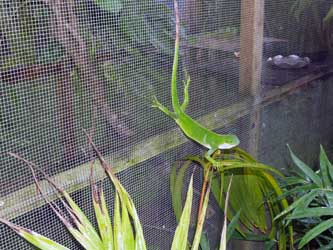
Reptiles include turtles, lizards, snakes and crocodiles. They are ectothermic (cold-blooded) vertebrates. They can live independently from the water and ambient air humidity due to their drying-resistant integument (skin) and they have foetal membranes that protect their embryos (egg shells or membranes).
Reptiles are classified into the class Reptilia.
Living reptiles can be divided into the following subclasses:
• Subclass Anapsida (turtles)
• Subclass Lepidosauria (tuataras, scaled reptiles)
• Subclass Archosauria (crocodilians)
These subclasses can then be further divided into orders and families.
Subclass Anapsida.
Animals within this subclass are distinguished by a skull that characteristically has no openings in bone that covers the temporal area. These animals are ancient and many consider them to be ancestors to all other groups of reptiles (for this reason they are called “stem reptiles”).
• Order Testudines (turtles) also referred to as Testudinata
o Suborder Chelydridae (snapping turtles)
o Suborder Pleurodira (side neck turtles)
Subclass Lepidosauria
• Order Rhynchocephalia (tuataras)
o Suborder Sphenodontida
• Order Squamata (scaled reptiles – snakes and lizards)
o Suborder Sauria (lizards, skinks, geckos and monitors)
o Suborder Amphisbaenia (worm lizards)
o Suborder Ophidia (Serpentes) (snakes)
Subclass Archosauria
• Order Crocodilia (alligators, gharials, caimans and crocodiles)
Note Lepidosauria and Crocodilia are sometimes considered “infra classes; which is a sub division of sub class.
Amphibians belong to the Class “Amphibia”
The class “Amphibia” is divided into three sub classes:
• Lepospondyli (all representatives are extinct)
• Labyrinthodontia (all representatives are extinct)
• Lissamphibia (all living amphibians belong to this group
The subclass “Lepospondyli” were slender bodied, aquatic animals. They evolved from fish and many retained physical characteristics similar to fish
The subclass “Labyrinthodontia” includes most of the species of amphibians that ever lived. They have all been extinct for more than 150 million years. They included both aquatic and terrestrial animals, of varying sizes, some as large as alligators. They are distinguished by a complicated teeth structure, and varied structure of vertebrae.
The sub class “Lissamphibia” encompases three orders of animals:
• Order Anura (Frogs and Toads)
• Order Apoda (Caecilians)
• Order Urodela (Salamanders and Newts)
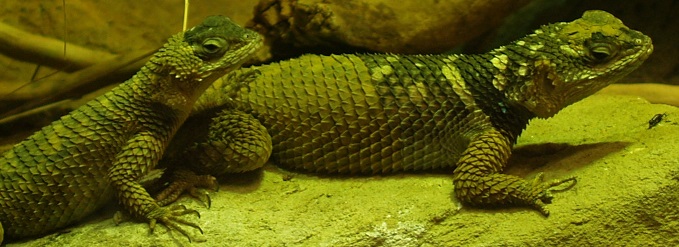
Interacting with Reptiles and Amphibians
If you would like to be involved with reptiles and amphibians there are a number of possibilities that may interest you. These include:
Or, of course, you can make a hobby out of herpetology and keep reptiles and amphibians as pets.
WHAT NEXT?
Register to Study -Go to the panel towards the top of this page (right column)
or
Get Advice - Get in touch today, use our FREE COURSE COUNSELLING SERVICE to contact our specialist tutors.