Understand more about the importance of nutrition in people with medical conditions, such as coeliac disease, diabetes, cancer and more.
Therapeutic nutrition is the provision of nutrients to maintain and/ or restore optimal nutrition and health. Therapeutic diets may be required as therapy for a disease e.g. coeliac disease or to treat malnutrition arising from low energy and nutrient intakes or due to increased energy and nutrient needs.
Course Structure
There are 9 lessons in this course:
1. Introduction to Therapeutic Nutrition
- Therapeutic Nutrition Defined
- Applications for Nutritional Therapy
- Oral Nutrition
- Nausea
- Swallowing Problems
- Weight Loss and Appetite Reduction
- Nutritional Supplementation
- Artifical Nutrition
- Enteral Nutrition
- Hyperalimentation
2. Allergies and Food Intolerance
- Food Allergy
- Foot Intolerance
- Diagnosing Food Allergies and Intolerances
- Dietary Management of Allergy and Intolerance
- Peanut Allergies
- Cow's Milk Allergy
- Coeliac Disease
3. Diabetes
- Diabetes defined
- Types of Diabetes
- Complications Associated with Diabetes
- Prevention and Treatment
- Monitoring of Diabetes
- Therapeutic Nutrition and Diabetes
4. Heart Disease, Hyperlipidemia and Arteriosclerosis
- Introduction
- Changing Risk Factors
- Dietary Fat & Cholesterol
- Other Dietary Factors
5. Renal/Kidney Conditions
- Glomerulonephritis, Acute & Chronic
- Nephrotic Syndrome
- Nephrosclerosis
- Acute Renal Failure (ARF)
- Chronic Renal Failure (CRF)
- Eating the right amount of Energy
- Fluid Restrictions
- Sodium Restrictions
- Diet & Kidney Stones
6. Cancers
- Dietary Factors Associated with Cancer
- Cancer Therapy
- Nutritional Side-Effects and Suggested Dietary Management
7. Digestive Disorders and Diet
- Introduction
- Irritable Bowel Syndrome (IBS)
- Inflammatory Bowel Diseases (IBD): Crohn's Disease, Diverticulitis & Ulcerative Colitis
8. Other Metabolic Conditions
- The Liver
- Hepatitis
- Cirrhosis
- The Gallbladder
- Gall Stones
- The Pancreas
- Acute Pancreatitis
- Chronic Pancreatitis
9. Strategic Diet planning for a medical condition
Each lesson culminates in an assignment which is submitted to the school, marked by the school's tutors and returned to you with any relevant suggestions, comments, and if necessary, extra reading.
Aims
- Discuss the nature and scope of Therapeutic Nutrition; and identify circumstances where diet may need modification
- Explain different types of food allergy and intolerance and provide information on diagnosis, clinical symptoms and appropriate dietary modifications.
- Explain what diabetes is and describe appropriate dietary adjustments that for people with Diabetes.
- Explain appropriate dietary adjustments that should be made for people with Cardiovascular Disease
- Explain appropriate dietary adjustments that should be made for people with Heart Disease, Hyperlipidemia or Artheriolsclerosis
- Explain appropriate dietary adjustments that should be made for people with Kidney conditions
- Explain appropriate dietary adjustments that should be made for people with different types of cancer
- Explain appropriate dietary adjustments that should be made for people with a variety of digestive disorders
- Explain appropriate dietary adjustments that should be made for people with diseases of the liver, gall bladder and pancreas
- To evaluate the dietary requirements of a client or patient, who has a medical condition; giving appropriate consideration to that condition; and to identify responsible options for diet planning in response to the situation.
Start Date You can start at any time to suit you.
Duration
The course requires 100 hours of study approximately. We find that most students complete 100 hours in three to six months, but it depends on you and how much time you have available for studying each week.
FOOD CAN AFFECT STRESS LEVELS
Research has shown that what we eat, when we eat and how we much eat has an impact on our overall well being and can impact upon our stress levels, both physically and emotionally.
We often hear the term comfort eating. If a person is stressed, they may overeat as a way to reduce their stress. Comfort eating or emotional eating are when we eat not because we are hungry, but as a source of comfort, as a reward or a way to reduce our stress.
Emotional eating does not fix our problem and actually usually makes us feel worse. The original problem still exists and we will feel bad for overeating.
Many of us as children are used to being rewarded with food. “You have been a good girl, have a chocolate bar.” “You can only have your pudding if you eat all your vegetables.” These encourage us to associate being good with food. So when we feel down and stressed, sometimes we think that food will help us by making us feel better, but it is a temporary solution.
It is also the type of food we may crave. We may be tired and depressed and the sugar in a chocolate bar may give us a temporary fix.
We can look at the clues to see if we are eating because of emotional hunger or actual physical hunger. Physical hunger tends to come on slowly, whereas emotional hunger can come on suddenly. We will crave certain foods when we are eating comfort food – like pizza, chocolate, sweets, cheesecake and so on. Our emotional eating is often mindless eating. And at the end of it, the person will still have the same emotional problem that they had before they eat all those cakes.
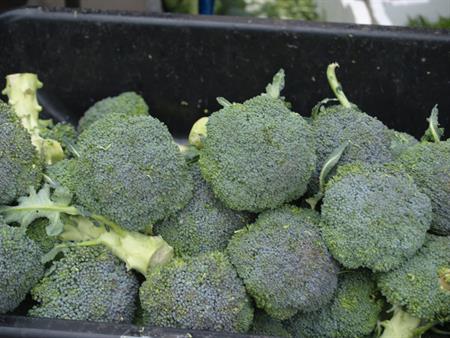
There are some foods that we can eat that are thought to actually de-stress us –
- Nuts – Cortisol is a steroid hormone. It is released in response to stress and low blood sugar. Nuts are high is magnesium, which is thought to reduce cortisol levels. The only problem with nuts is they can be high in fat, so it is best not to have too many, particularly if you are on a low fat diet or trying to lose weight.
- Broccoli – Broccoli has folic acid, which reduces stress levels.
- Sugary food can decrease the level of glucocorticoid, which is a stress producing hormone. It is linked to storing fat in the belly. But just a little sugar does the trick, so there is no need to overdo it.
- Complex carbohydrates increase serotonin levels, which boost your mood. Complex carbohydrate foods include whole grains foods, such as oatmeal, pasta, porridge, whole grain breads, green vegetables, starchy vegetables (potatoes, sweet potatoes, corn, pumpkins), beans, lentils and peas.
- Omega 3 fatty acids help the brain cells to function better together, which reduces cells. Food rich in omega 3 include fish such as salmon.
- Dark chocolate with more than 70% cocoa is thought to encourage endorphin production, which improves our mood.
- When tryptophan is metabolised, it is converted to serotonin. This helps to boost your mood. Milk contains tryptophan. It also contains calcium, magnesium and potassium, so may keep blood pressure down.
- Warm drinks help increase our body temperature, which is usually associated with a feeling of well-being.
- Drink black tea. University College London found that drinking black tea four times a day for six weeks can help reduce levels of cortisol after a stressful event.
- Drink water – drinking water gets your metabolism started.
ACS Student Comment: "The diversified information provided within the various lessons of this course was precious as it made me gain knowledge on various diseases and since I'm a volunteer in a public health organisation and since I plan to become a private therapeutic consultant, such information made me further realise the importance of food and nutrition in the treatment of disease.
I always appreciated the comments of my tutor, since her detailed remarks were so personal and always showed me where I did well and why. This encouraged me a lot in order to always do better in every next assignment. Overall, [my tutor's] support and comments were excellent." Denise Abou Jamra, Lebanon, Therapeutic Nutrition course [Excerpt from Course Evaluation]
WHAT NEXT?
Register to Study - Go to “It’s Easy to Enrol” box at the top of the page and you can enrol now.
or
Get Advice – Email us at info@acsedu.co.uk OR
Use our FREE COUNSELLING SERVICE to contact a tutor
CLICK TO CONTACT US