Learn to Grow and Use Lavender
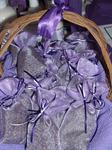 Lavender products can be more diverse and valuable than what you might imagine. The best quality lavender oils are used in perfumery and can be more valuable than gold. Lavender can be grown and sold as potted plants, cut flowers (fresh or dried), or processed into any number of products from edible foods to soaps and massage oils.
Where is Lavender Grown?
Lavender is perhaps the most widely grown herb.
- In gardens as a landscape plant. It flowers for months on end. In warm temperate climates, some varieties can flower most of the year
- Grown commercially, harvested and processed to give lavender oil, used in perfumes, massage oils, soaps, etc
- Harvested and dried to use in crafts (eg. Lavender pilloes)
- Harvested and used fresh as a cut flower
- It's even used as a culinary herb
“Everyone loves lavender! This course is aimed at those you are looking to start their own lavender farm –but equally interesting to the enthusiast. Detailed throughout you should be well equipped to start that new venture by the time you have completed this course.” - Gavin Cole B.Sc., Psych.Cert., Cert.Garden Design, MACA, ACS Tutor
This 100-hour course is designed for the Lavender enthusiast who is
interested in the basics of all good Horticulture. Learn about soils and
plant nutrition, growing new varieties of Lavender, methods for
commercial production and marketing your products. There are Ten lessons
for anyone interested in starting commercial lavender production or
for learning more for a hobby in making use of the wonderful fragrance
from Lavender.
COURSE STRUCTURE
The course is divided into 10 lessons as follows:
1. Introduction: Classification and identification of lavender, general characteristics of the group, contacts (ie: nurseries, seed, clubs, etc.)
2. Understand the basis of all good Horticulture with Soils, Fertilisers and Nutrition for Lavender: Soil structure, pH, organic matter, ameliorants and organic growing.
3. look at the Cultural Techniques for Lavender Growing: Pruning, water management (mulching, irrigation, drainage, etc.), planting and establishment methods, crop scheduling, no dig gardening.
4. Learn how to have your own Lavender Propagation: Propagation from cuttings, propagation growth media, other propagation methods,
5. Commercial Alternatives for your Lavender: Managing a Market Garden, standards, mulches, problems and their control, weed control without chemicals, economic outlook for herbs.
6. Look at the various Selection and Breeding of Lavenders: Breeding and selecting new varieties, lavender clone selection for essential oils in Tasmania.
7. Try Building Plant Knowledge: Lavender types and other varieties, advantages and disadvantages of different varieties.
8. An overview of Harvesting, Postharvest Treatment and Storage: Harvesting, distillation and oils, post harvest preservation of fresh herbs, drying lavender.
9. Think about the Processing and Making Lavender Products: Lavender crafts, using herbs in cooking, selling herb products.
10. Learn how to Market Lavender Produce: How to market your produce, considering your market, market research, selling successfully.
WHAT YOU WILL DO IN THIS COURSE?
 There are a number of practical tasks students will carry out in this course. If students have problems accessing facilities or resources for practical tasks, alternative tasks can be set. Practical tasks include:
Prepare a collection of 20 different types of lavender in the form of pressed, dried, labelled specimens
Compile a resource file of contacts relevant to lavender and lavender growing
Contact a number of lavender related organisations for information on their activities in the industry
Collect and test at least three different soil samples
Identify and (optional) manufacture a potting mix suitable for lavender growing
Collect information on organic and inorganic fertilisers from fertiliser companies
Research information on machinery used in horticulture by contacting the companies that produce it
Produce a no dig garden or an organic garden
Manufacture a propagating mix for lavender cuttings
Take lavender cuttings for propagation
Contact a herb nursery to observe their operation
Research irrigation equipment by contacting irrigation suppliers
Cross pollinate lavender and grow the resulting seed
Compare various types of lavender
Harvest a number of different types of lavender
Produce a small quantity of lavender oil
Produce two non edible and one edible product containing lavender
Visit a shop selling lavender products to observe marketing procedures
Something Different to Try with Lavender
Recipe for Oranges with Lavender and Pine Nuts
4 large thin skinned oranges
2 tablespoon of raw sugar
¼ teaspoon ground cinnamon
¼ teaspoon of ground cloves
1 tablespoon of snipped lavender leaves (use young pliable leaves)
2 tablespoons of red currant jelly
2 tablespoon of pine nuts
- Toast the pine nuts in a non-stick fray pan until golden (watch them carefully as they burn easily).
- Peel the oranges and reserve the rind of one (catch any juice for later use).
- Slice the oranges thinly and arrange of a suitable dish.
- Cut the reserved rind into thin strips.
- Heat the sugar in 300ml of water using moderate heat.
- Add the cinnamon and cloves and bring to the boil – stir constantly to dissolve the sugar.
- The mixture should be kept at a low boil until it resembles thick syrup.
- Add the lavender leaves and red currant jelly plus the reserved juice you produced when cutting the oranges. Bring to the boil. Add the reserved rind strips and boil for 3 minutes longer.
- Pour the syrup over the oranges and top with the toasted pine nut.
- Serve immediately.
Growing Lavender is Relatively Easy, but Growing it Well is Something Else!
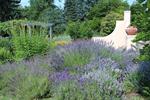 Lavenders are generally hardy shrubs, whilst they tolerate a wide range of soil types and climatic conditions, being native to the Mediterranean area: they prefer warm summers and cool winters. The soils of the Mediterranean where lavenders grow naturally are generally poor in nutrition. Soil should friable (ie. loose certainly not rock hard), moderately fertile and ideally be slightly alkaline - pH between 6.4 and 8.2. An annual rainfall of around 900mm is ideal.
Good drainage and mulching (through mulching should be avoided in high rainfall areas) are important; keep the soil moist in the warmer months, but not saturated. Most lavender tolerates periods of dryness, but an extended drought can kill them. Despite lavender's ability to withstand dry periods - young plants do need soil to remain moist right through the first dry season. Lack of water or excessive heat can discourage flowering.
Lavender is grown widely as a garden plant; and it doesn't take any great amount of knowledge and expertise to be relatively successful with lavender in your home garden. It does require a great deal more knowledge and expertise to obtain a highly productive crop of lavender though; which produces large amounts of high quality perfume.
The best lavender crop in the world still, cannot sell itself. Quality, price, product and presentation are all aspects of a marketable product however the astute grower will also be aware of a range of marketing strategies that will help to market and sell their crops. Some marketing strategies can include advertising, special presentation, trade marking and so on. Sometimes these marketing strategies can be implemented through a co-operative to lessen the burden of cost on small growers. Each grower should develop an approach that is best suited to their situation.
WHAT NEXT?
Register to Study - Go to “It’s Easy to Enrol” box at the top of the page and you can enrol now.
or
Get Advice – Email us at info@acsedu.co.uk OR
Use our FREE COUNSELLING SERVICE to contact a tutor
CLICK TO CONTACT US
<