BAR SERVICE COURSE
- A highly transportable skill!
- Study from anywhere, anytime and at your own pace
- Bar staff are employed all over the world, in bars, restaurants, resorts, hotels and at events; some part time, some casual, some full time
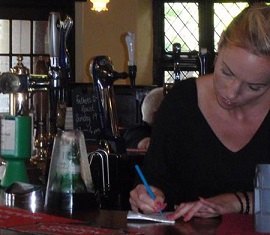
Bar staff are employed to primarily service customers with drinks, and secondarily, food (occasionally other things such as cigarettes and cigars).
In some situations, bar staff may only dispense drinks and snacks such as nuts and potato crisps. In other situations (eg. at a pub), bar staff may be required to take orders for "counter meals", and dispense the meals after they have been prepared by the cook.
General duties for bar staff at all times will be:
- Providing Service to customers
- Cleaning (including the bar, tables and glass ware)
- Customer Relations
Bar staff often have duties segregated from food service staff; although in many restaurants, the same person might perform both duties. Essentially food service staff are responsible for meals and bar staff for drinks and light snacks. Menus can vary significantly depending on the type of establishment. In today’s ever changing world, there is increasing innovation, and the rules of traditional bar service are increasingly broken. As such, bar staff may very often find themselves performing various food service duties.
LESSON CONTENT
There are 7 lessons in this course:
- Introduction
- Industry orientation
- Presentation
- Bar equipment and layout, etc.
- Alcoholic Product orientation
- Become familiar with the range of alcoholic products found commonly in a bar including spirits, beer and wine.
- Non Alcoholic Drinks
- Become familiar with the range of non-alcoholic drinks that can be found at a bar; different coffee and tea types.
- Service Procedures
- Protocol
- Dealing with customers
- Food handling
- Tray service
- Accounts, etc.
- Learn the service procedures for a range of situations from an a la Carte restaurant to a bar and grill.
- Mixing Drinks
- Develop an ability to mix a range of cocktails and other drinks in a bar.
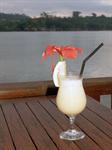
- Learn the art of flairing and how to make a Tequila Sunrise.
- Wine Appreciation
- Understanding and appreciation of different wines.
- Learn which wines go best with seafood, meat and cheese platters.
- Establishing a Bar Service
- Consolidate skills so far developed to establish or improve the management of a bar service
Each lesson culminates in an assignment which is submitted to the school, marked by the school's tutors and returned to you with any relevant suggestions, comments, and if necessary, extra reading.
Are You Suited to this Type of Work?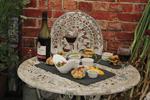
Do you have an outgoing personality? Are you enthusiastic, committed and flexible? Bar service can offer you the opportunity to work anywhere in the world.
This course provides general knowledge for anyone who wants to work behind a bar or as a drinks waiter. In this course you will develop a broad understanding of the industry. Through this you will:
- become familiar with alcoholic drinks such as wine, spirits, beers and cocktails
- learn how to make non-alcoholic drinks including cappucinos, chai lattes and other speciality teas
- learn how to provide quality service to bar customers
- mix a range of cocktails and other drinks and
- learn the fundamentals of wine appreciation.
 Tips for Working at a Bar
Research has shown that many consumers are ignorant of the information on a wine label. Being afraid to display their ignorance, they often choose wines that are familiar with generic names.
A good wine list will have a range which satisfies all needs, with some generic wines, and some others, for connoisseurs. There should be variety in the price range and type. Be sure to include dry, medium & sweet wines, reds, whites, and sparkling. You may also offer Rosé.
When choosing wines for a wine list, it is wise to have a few tried and true labels that are familiar to a majority of people as many people may feel safe with them. It is also good to add some interesting flavours to the list by including some quality drops from exotic places such as a Pinotage from South Africa, or a Pinot Gris from Alsace. This may work to stimulate some discussion during the wine selection process and can help to establish a good rapport between a learned staff member and their customers.
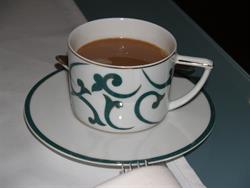
Other drinks, where appropriate, should also be offered. Always include some non alcoholic drinks including cold drinks such as fruit juice or cola, as well as coffees and teas.
You should also consider offering drinks to complement the menu or style of restaurant. In a Greek restaurant, customers may expect to find "Ouzo", in an Italian restaurant they may expect "Lambrusco" and in a Spanish restaurant they may expect to find “Sangria”. Fruit cocktails may be more appropriate in a "tropical resort style" restaurant.
It is generally illegal to serve alcoholic drinks in any way without a licence. You must check out and comply with appropriate laws for the state or country you operate in.
It is also useful to be able to offer low alcohol content drinks. There are many vineyards now producing low alcohol and low sugar sparkling and white wines.
If you have a personal interest or would like to extend your knowledge about wine and its accompaniments it is a good idea to undertake a wine tasting course. This will help you to understand the labels, the different flavours and aromas as well as how they complement certain foods. The following are considered to be complementary. This list is in not exhaustive and the complementary wines can vary depending on the vineyard and the age of the wine.
Do you Know what Wine Compliments what food?
- Hors d'oeuvre Dry White Burgundy, Riesling, Alsace
- Antipasto Light or dry sherry
- Oysters Sparking Wine, Premier Grand Cru, Verdelho
- Soup Dry Sherry
- Lobster Hock, Pinotage
- Seafood Chardonnay, Sauvignon Blanc, Riesling
- Fish Chenin Blanc, Late Harvest (Sweet), Riesling
- Grills Cabernet Sauvignon, Dry Red, Merlot
- Beef Burgundy, Vino Rood, Vin Rouge
- Pork Chianti, Merlot, Chardonnay
- Lamb Grenache, Bordeaux, Cabernet Sauvignon
- Chicken Chardonnay, Sauvignon Blanc, Sangiovese, Pinot Gris
- Oriental Shiraz, Muscat
- Game Birds Claret, Shiraz
- Game (furred) Burgundy, Shiraz
- Salad Sauvignon Blanc, Pinot Gris
- Sweets Champagne
- Dessert Sweet Wine, Sweet Sherry, Port, Muscat
- Cheese platter Red Wine, Port, the choice of wine to complement cheese will depend on the type of cheese.
Many people will, of course, eat and drink in combinations other than these, perhaps because of their different tastes, or perhaps through a lack of experience and having become accustomed to these traditional combinations.
You do not need a bar service course to get a job in a bar; but you do need to know many of the things learnt through this course.
Bar work is often part time and can be temporary fill in work for many people. For others, working in a bar may become a business or a career choice. An outstanding barman can be an important asset to a five star hotel or exclusive restaurant; and may earn very good money; but for many others; working in a bar may be a fill in job; or a starting point for a career as a hotel or restaurant manager.
Anyone who owns or manages a restaurant, hotel, cafe, bar or other such business can benefit from this course.
Some may study this because they already work in a bar or similar situation; or because they wish to prepare for such work.
WHAT NEXT?
Register to Study - Go to “It’s Easy to Enrol” box at the top of the page and you can enrol now.
or
Get Advice – Email us at info@acsedu.co.uk OR
Use our FREE COUNSELLING SERVICE to contact a tutor
CLICK TO CONTACT US