Study special interest tourism with this intensive course
Special interest tourism (SIT) is the provision of customised tourism activities that caters to the specific interests of groups and individuals. In this case, tourism is undertaken to satisfy a particular interest or need. It has been proposed that SIT consists of four main experiences:
- Rewarding
- Enriching
- Adventuresome Experiences
- Learning Experiences.
Clients engaged with SIT are seeking to learn more, enrich their awareness, and express themselves. They expect high standards of service and individualized focus. Many wish to travel in an environmentally sound manner and to have authentic experiences be they: cultural, social or environmental, in which they have a positive engagement with the host community.
Student Comment (M. Soares, Angola):
"This has given me insights into world wide tourism, and it helps me to understand how we can develop our tourism without too much damage"
Duration: 100 hours
COURSE STRUCTURE
There are ten lessons in this module as follows:
- Sectors of the Tourism Industry –Scope of the travel product (natural & cultural, events & sites)
- Types of Tourism –Regional, Rural, Urban.
- Accommodation Types: Resorts and Hotels, Camping, Back packers, Cruises
- Special interest accommodation, Cultural Tourism –Theatre, Indigenous tourism, Historic parks, Cultural vs Heritage tourism
- Events & Festivals –Concerts, Exhibitions, Performances.
- Environmental Tourism – Nature based tourism, Wildlife tourism and ecotourism etc
- Health & Adventure Tourism – Health resorts & Spas, Bicycle & Walking Tours, Soft vs Hard Adventure Tourism, Rock Climbing, Space Tourism
- More Special Interest Tourism –Food & Wine, Senior Tourism, Sex tourism
- Visitor Management & Contingency Planning –Risk management (safety, financial, etc), insurance, environmental impacts, etc
- Packaging a Tour - Planning the Itinerary; costing; delivery; review etc
The range of special interest tours is enormous. It may range from a women’s only trek down the Larapinta Track in outback Australia to a bike tour of one of France's wine growing regions where it is possible to meet those responsible for the production of the wine being sampled, or from gay-only resorts to whale watching in Antarctica.
One way of classifying different types of tourism is according to the dominant interest or reason that causes people to travel. If a tourism manager understands why a person or group of people are travelling to a particular destination, they can then design a package of services tailored to support that reason for travelling. Some travel aims or categories of tourists occur often enough that tourism providers have found it profitable to establish packages specifically tailored to cater to them. Others may require special packages or arrangements that will meet their distinctive, particular needs
WHAT YOU WILL DO IN THIS COURSE
The course is more than theory, but it offers you choices in what practical tasks you undertake and how you undertake them, for example: you might do some or all of the following:
- Visit travel agencies or information centres
- Search the internet
- Write to a government travel authority/department
- Visit a local or regional tourist centre
- Study travel pages in a newspaper for both articles and advertisements
- Visit a library, bookshop or news stand and look at travel magazines
- Conduct interviews or surveys
- Attend events
- Differentiate between different types of tourism on a variety of bases, including: demographics, geography, economics, and culture.
- Compare a variety of different accommodation services provided in the tourism industry.
- Describe the operation of heritage and cultural tourism, including: historical, architectural, indigenous, and artistic attractions.
- Evaluate the tourism potential of events and festivals.
- Describe the management of passive natural tourist attractions, including wilderness areas, beaches, rivers, wildlife etc.
- Describe the operation of different types of tourism facilities that have a significant focus on health and fitness, including Health Resorts, Walking Tours and Cycling.
- Describe a variety of other types of special interest tourism, including food tourism, senior tourism and sex tourism.
- Plan the number of visitors to different types of tourism facilities and develop appropriate contingency plans.
- Plan a package holiday incorporating a variety of accommodation and attraction options.
 Festivals are Always a Draw Card
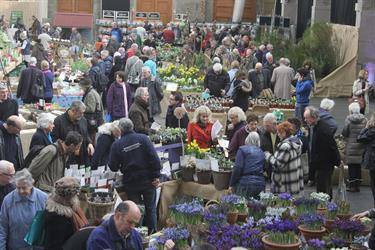
Large events and festivals are a tourist draw card, attracting visitors from many locations. Most tourists attend events and festivals for leisure and recreation. Like any other leisure activity, going to a festival is an escape from everyday routine.
For many, a festival is an opportunity to observe and perhaps participate in a large social gathering with other like-minded people. Some tourists are attracted to the atmosphere, for example, the party-like festivities and colourful street parades of the annual Carnivale in Rio de Janeiro draw visitors every year from around the globe. Other tourists are attracted to festivals or events that provide learning or self-improvement opportunities, for example, writing workshops at literary festivals and cooking demonstrations at food and wine events.
Events and festivals that attract tourists from outside the region are more likely to bring economic benefits to the host town than those that only attract local residents. Tourists will not only spend money at the festival, they will also spend money on such things as accommodation, restaurants, pubs or bars, local car hire, and visiting other local attractions.
Events and festivals are staged for a limited duration and target a particular market segment. Their purpose is to enlighten and entertain. They may include one or more of the following: food and beverages, parades, costumes, performances, information, seminars, demonstrations, exhibits, activities, music, sport, and religious ceremonies.
Such events and festivals may be a one-off, an annual event, or take place more frequently. They require a lot of planning and preparation as well as a lot of money. Some event organisers seek sponsorship from government bodies or other national and local businesses and organisations. The media often sponsor major events to gain exclusive broadcasting. Others events and festivals are privately run and funded. Either way, successful events and festivals can be an economic windfall for a community, but like most things they have their drawbacks!
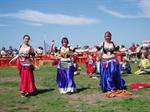 A festival is a ‘themed public celebration’ of limited duration. There are many types of such activities that bring people together, including sports, music, art, agriculture, religion, food and beverages, and traditional customs.
- A ‘special event’ is a one-time or infrequently occurring event.
- ‘Mega events’ are special events that affect entire countries or continents, and require enormous amounts of planning and resources (e.g. the Olympics).
- ‘Hallmark events’ are special events that are smaller in scale, and have a community or regional focus. They are designed to enhance awareness, appeal, and profitability of a destination for a short period.
- ‘Community-based events’ or ‘local events’ may occur more regularly, and have a smaller market segment. They are often held to celebrate some aspect of community life, for example, harvest festivals and garden festivals. Community-based events can also be known as carnivals, contests, exhibitions, fetes, fiestas, and tournaments.
Events and festivals are held for many reasons, including:
- To promote tourism within the community or region
- To raise revenue for sectors within the community
- To celebrate some aspect of community life
- To create an identity for a community
- To foster community spirit
- To ensure the continuity of traditional customs
- To create social, educational, and cultural opportunities for groups of people with similar interests.
Some festivals will be more appropriate for special interest tourism than others; of course; but most have the potential to at least add to the tourism in any locality.
WHAT NEXT?
Register to Study - Go to “It’s Easy to Enrol” box at the top of the page and you can enrol now.
or
Get Advice – Email us at info@acsedu.co.uk OR
Use our FREE COUNSELLING SERVICE to contact a tutor
CLICK TO CONTACT US