Learn the essentials of wedding planning for NEW and EXCITING career as a Wedding Planner!
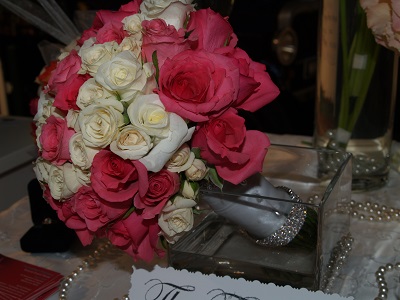
So you have amazing organisation skills, can talk to people and communicate with them brilliantly and love weddings? Want to be a wedding planner and make the special day of a couple extra special?
The Wedding Planning course will help you hone your skills and think about all of the essential considerations that you would need to know about as a wedding planner. There are many different ways in which a wedding may run- depending on the wants and cultural needs of the client, you will add the sparkle by ensuring that everything is organised and runs smoothly (also having contingency plans for emergencies too).
A wedding can be a very stressful time for most people involved. In fact, it is considered one of the most stressful events a person can experience in their life along with bereavement, divorce and moving house. So even though it is a joyous occasion, there is still a lot of stress involved because of all the organisation and planning required, it is your job as a wedding planner to assist the couple by organising an amazing day and letting them enjoy the experience.
Some wedding planners may already have worked within the wedding industry in some way as a florist, photographer, in a wedding shop and so on, and decided to expand into a larger area of wedding planning. Working in those areas is not essential before becoming a wedding planner, but experience like this can be useful. Don’t worry if you don’t know all of these things NOW though, that’s why you are doing the course.
Start Your Own Business as A Wedding Planner- there are lots of opportunities!
Course Content and Structure
This course covers the following 9 lessons:
- Introduction: Covers the nature, scope, opportunities and options available when planning a wedding. Looks at different types of weddings, understanding ceremonies (different religions, celebrants etc), receptions and working with wedding photographers, reception centres, churches etc.
- Planning: Choosing locations, services, products to use from reception centres, rings, the church or venue, catering and flowers. Also covers themed weddings, destination weddings and off-beat weddings.
- Managing People: Handling different personalities and the role of different members of the party.
- Managing Locations: Reception, Church, Photo Shoot Location, Pre Wedding Hen/Stag Parties etc.
- Managing the Programme: Arrivals, Departures, Ceremonies, Speeches, Entertainment, Eating, Drinking, Dancing etc.
- Other Issues: Photography, Video, Flowers, Clothing, The Beautician, Invitations, Stationery, Gifts etc.
- Managing the Client: Interviewing a Client, Facilitating a Plan, Budgeting, Establishing a Contract; Management Techniques, Flow Charts, Check Lists, Schedules.
- Managing the Wedding Day: Planning for Contingencies.
- Operating a Wedding Business: Naming your business, dreaming up the plan, designing a web page. Advertising, PR, Costing Structures, Finance, Contracts, Insurance, Starting a Business, Cancellation Policies, Industry Associations, Building Relationships with Service Providers.
What Does a Wedding Planner Do?
 The wedding planner’s main role is to ensure that the wedding goes smoothly. Therefore, it is important that you are aware of the traditional roles that each member of the party is required to fulfill. This may sound silly or trivial, but if the bride’s mother expects to perform a certain function, but the bridesmaid does it, it can cause friction. We will further discuss conflicts and stress at weddings shortly. But knowing the different roles can be useful. Having said that – it’s worth keeping in mind that many couples and families will not follow the traditional roles so you will need to clarify this before hand. Some roles that may have been undertaken by the wedding party might also be handed over to you as the wedding planner. Also, some of these roles will vary according to different cultures. As with everything, YOU need to clarify exactly what they expect you to do.
Think about all the different aspects to wedding planning, such as –
-
Arranging venues
-
Themes
-
Food
-
Clothes
-
Refreshments
-
Photography
-
Honeymoons
-
And so on…..
Opportunities
Wedding planners are often self employed. Some venues that regularly have weddings may also employ a wedding planner – for example:
-
Wineries
-
Hotels
-
Resorts
-
Reception centres
-
Restaurants
Larger event management companies may also higher a specialist wedding planner.
Wedding planners may work alone, or they may hire an assistant or other staff to help them.
People will always get married, so there will always be demand for wedding planners, and contracts with clients can be arranged on a full time or part time basis.
Wedding planners can be paid very well for an individual event, depending on the size of the event, however the pay may not be regular.
While there are no set educational requirements to enter the industry, many planners do study courses like this to gain credentials, knowledge and ultimately experience and get to know the industry.
Next Steps...
Enrol now- Scroll up to "It's Easy to Enrol" box at the top of this page to start learning now.
OR
Contact Us for more information or advice.
CLICK HERE FOR FREE COURSE COUNSELLING