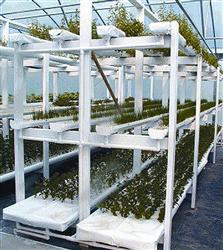
Study Horticulture and Hydroponics
An advanced qualification merging hydroponics and horticultural management.
This 900 hour advanced certificate will provide you with detailed knowledge on plant breeding and horticulturally valuable crops, such as vegetables and cut flowers, whilst also providing detailed knowledge on the business and management skills required to make a success of a horticultural technology business. Learn more about supervision and management of staff and horticultural businesses.
Hydroponics was obscure and almost unheard of until the late 20th century.
Today it is a significant and
expanding sector of the horticulture industry; offering lucrative
opportunities in many branches of production horticulture. Hydroponic
farming can be costly to set up; but it can also be conducted in places
where other horticultural options are difficult; and it has the
potential to provide much higher returns per acre than any other form of
horticulture.
Comment from a Student
-"Horticultural management and hydroponics"" Having completed the
Advanced Hydroponics Course, I have since gone on to open my own
successful hydroponics retail shop, now in it's third year of trading"
- Ted
In Summary Hydroponics involves:
-
Less land but more produce per acre.
-
More technology, more equipment, but less water, less need for chemical pest control and less waste products.
-
Growing plants for more of the year; but a need to watch your plants more closely.
-
Growing without soil means you
can grow in cities, in otherwise unusable areas - and often closer to the
end user (which means less transport costs).
Duration – 900 Hours, self pace learning
The course is studied by distance learning and you can start at any time to suit you.
This Advanced Certificate involves three areas of work:
-
CORE STUDIES - four units of compulsory subjects for all students.
-
ELECTIVE STUDIES - three stream units for the development of knowledge in the chosen specialisation or industry sector.
-
PROJECT - a "management in the
workplace project" of 200 hrs involving approved work experience in a
small business. The project specifically aims to provide the student
with the opportunity to apply and integrate skills and knowledge
developed through various areas of formal study.
Modules