Professional training in Hydroponics by Distance Learning
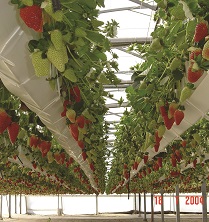 Develop your knowledge of hydroponics - gain an understanding of the hydroponic industry, including equipment and services.
- Learn to grow hundreds of different plants in hydroponics.
- Learn about different systems, equipment, nutrients and their applications.
- Learn about environmental controls - light, heat, carbon dioxide.
- Learn about different irrigation systems.
- Learn about disease and pest control.
- Explore business and work opportunities.
COURSE STRUCTURE AND CONTENT
The Certificate In Hydroponics comprises 30 lessons and two examinations. The lessons for the course are listed below.
- Introduction to Hydroponic Technology
- Plant Growth Requirements – Light , artificial light, light balancers.
- Plant Growth Requirements - Nutrition- nutrient requirements, deficiencies, toxicities, pH, conductivity, salinity, growth regulators.
- Plant Growth Requirements - Temperature.
- Hydroponic Growing Systems - Basic concepts and designs, site considerations.
- Growing Media - Types, properties, uses.
- Hydroponic Nutrient Solutions - Nutrient formulae, preparing solutions.
- Hydroponic Equipment - Components, nutrient delivery, pumping, testing.
- Growing Structures - Design and Construction - types.
- Environmental Control A - Heating, Cooling.
- Environmental Control B - Lighting, Shading.
- Environmental Control C - Carbon Dioxide Enrichment.
- Plant Culture In Hydroponics A - Trellising, pruning, pollination, transplanting.
- Plant Culture In Hydroponics B
- Aggregate Culture
- Nutrient Film Technique (NFT) Culture
- Rockwool Culture
- Other Techniques - Wick systems, flood and drain, bag culture, aeroponics, etc.
- Irrigation - Soil requirements.
- Irrigation Systems
- Plant Propagation - Seed and cutting propagation, tissue culture.
- Market Gardening - Cut flowers.
- Market Gardening - Vegetables.
- Other Plants In Hydroponics - Herbs, grasses, indoor plants.
- Pest and Diseases - Identifying the problem, pests and diseases in hydroponics.
- Weeds - Identification and control.
- Managing A Commercial Hydroponics Farm - Crop scheduling and selection standards.
- Management - Organisation and supervision.
- Marketing - Promotion and selling.
- Special Project - Prepare a detailed report of at least 2,000 words, plus photos or diagrams, on a particular aspect of technology which you have studied that significantly assists growing.
COURSE AIMS
- Discuss the range and scope of hydroponics.
- Explain the role of light in plant growth and ways to provide it.
- Identify the nutritional requirements of plants and how these can be met hydroponically.
- Discuss the effects of temperature and plan growing strategies for different temperature conditions.
- Design and conduct a trial to evaluate the commercial prospect of growing a chosen hydroponic crop.
- Identify different hydroponics systems and evaluate their qualities.
- Investigate the varieties and properties of different growing media.
- Identify nutrient requirements for different situations and describe solutions that will provide them.
- Describe and explain the used of the equipment used in main hydroponics systems.
- Compare and select growing structures for different growing situations.
- Explain the role of heat and light control and methods of achieving them.
- Determine different hydroponics practices, including careful planning of crop production.
- Explain benefits and manipulation of carbon dioxide to promote plant growth.
- Describe methods of aggregate culture.
- Describe the uses and applications of NFT.
- Understand the uses of rockwool in hydroponics.
- Explain the properties of soil and their behaviour when irrigated.
- Describe other techniques of hydroponic growing, including aeroponics.
- Explain various methods of propagating plants.
- Identify and describe the components and design of various irrigation systems.
- Describe the range of commercial plants produced hydroponically.
- Identify potential pests and diseases, and describe method to control them.
- Describe methods of hydroponically producing cut flowers for the cut flower market.
- Describe methods of hydroponically producing vegetables for the market.
- Discuss a range of cultural practices for hydroponics.
- Outline key strategies for managing a business and effective supervision.
- Identify marketing and market research strategies relevant to your business.
- Use your knowledge of hydroponics and business to carry out.
Exams
There are two exams, one after lesson 15 and one after lesson 30. The exams can be taken at a time and location to suit you. You can view more information on how the exams work here.
HYDROPONICS OFFERS GREAT BUSINESS OPPORTUNITIES
Hydroponics can simply be said to be the process used to grow plants without soil. It literally means ‘working water’. The grower is taking ‘control’ of the plant's root environment, and losing the benefit of 'mother nature's' finely-tuned mechanisms which normally control that part of the plant's environment. A hydroponic grower provides the optimal levels of food and water that plants need for growth in the form of nutrient solutions. They can also control the environment in a variety of ways to influence plant growth, such as by providing artificial light, humidity, or by manipulating temperatures.
Hydroponics is not an easier way to grow plants, it is a more controlled way of growing plants.
What is Needed in Hydroponics?
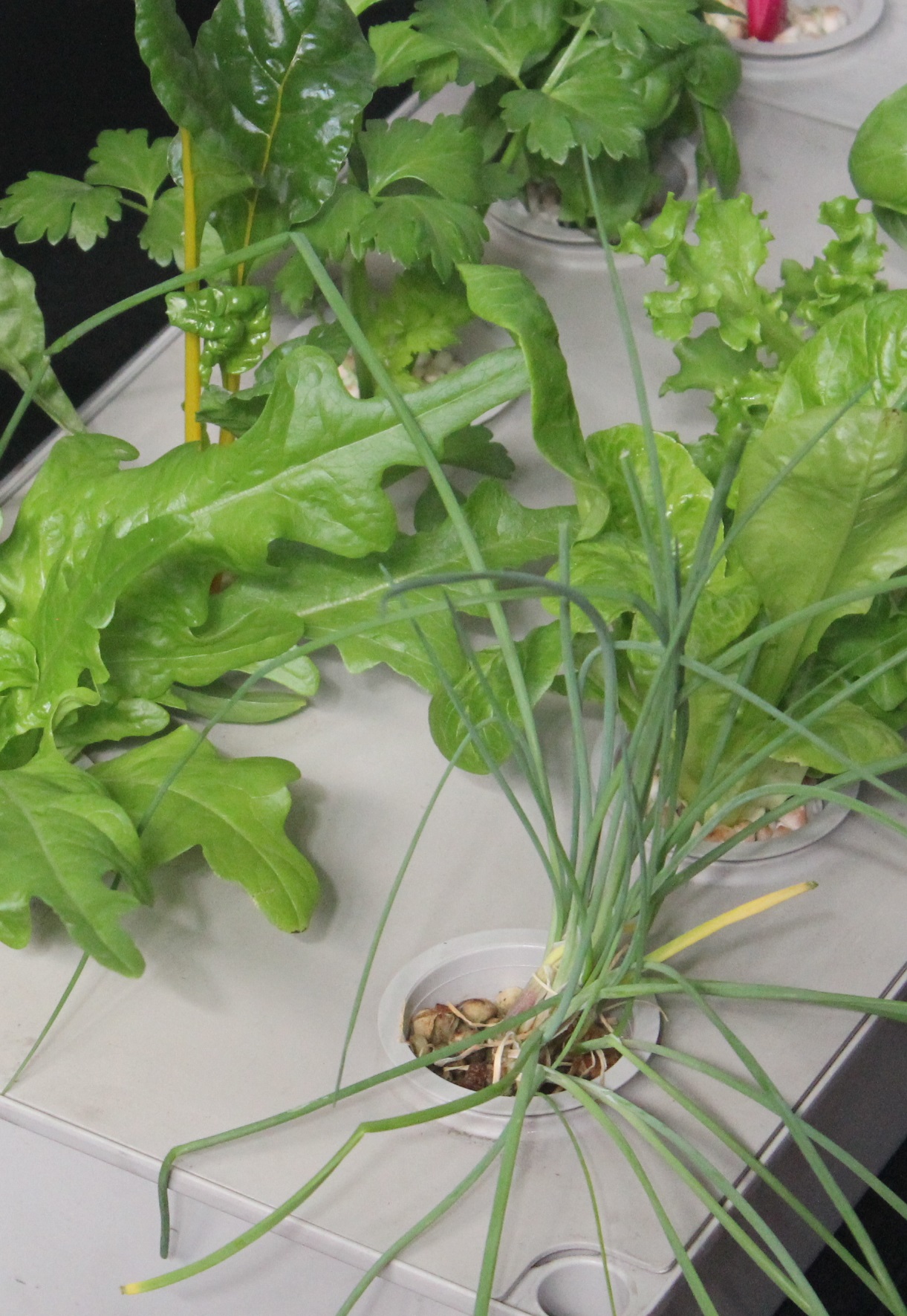
In the natural world, plants grow in soil. Soil provides four main things for the plants which grow in it:
- Anchoring the Plant so that it does not fall over, dislodge from where they are growing or blow away by providing anchorage for the plant's roots.
- Water, for growth, and so that it does not dehydrate and die: supplied via the plant's roots.
- Air - plants need to absorb air, just as much as water, through the roots (too much water means too little air, and vice versa. It is complicated. That's why you need to learn before investing!).
- Nutrition - plant food needs to be delivered to the plants, as very simple types of chemicals.
Soil-grown plants often lack an optimum supply of nutrients, water, air and other conditions; controlling these conditions in "nature" can be difficult. Hydroponics allows the grower to successfully manipulate plant growth by taking control of the functions which are usually handled by the soil. Instead of using soil, hydroponics uses an inert growing medium, such as sand, perlite, cooked clay pellets or rock wool; which supports the plants and their roots. Water and nutrients are then provided to this medium in the form of nutrient solutions which are absorbed by plant roots.
WHY HYDROPONICS
- It is a more controlled way of growing plants - the grower provides an environment most suitable to growing the crop.
- It is an efficient approach to growing, using less water, which, in addition, can also be recycled.
- It makes efficient use of land, providing higher yields per square metre.
- If using a closed system - waste products do not escape into the environment.
THE 20/80 RULE
"80% of the knowledge required by a commercial hydroponic grower is general horticulture; 20% is hydroponics".
Hydroponic ventures will often fail because this rule is not recognised. People often come to hydroponics with a fascination for the technology; learning all about the technology .... but without the horticultural knowledge and skills; the technology alone will not be sufficient.
WHY STUDY WITH ACS
- Our courses are written and taught by experienced professionals - our Principal, John Mason is the bestselling author of Commercial Hydroponics, and our tutors include Dr Lyn Morgan, author and commercial hydroponic consultant - so you know you will receive high quality teaching and support.
- Our courses and study are flexible - you can start at any time, and you decide when and where you study; fitting your studies around your own busy lifestyle.
STUDENT TESTIMONIAL
" Having completed the Advanced Hydroponics Course, I have since gone on to open my own successful hydroponics retail shop, now in it's third year of trading."
Ted
PROFESSIONAL TRAINING FOR YOUR CAREER OR BUSINESS
The Certificate In Hydroponics offers detailed, high quality studies, covering all areas of Hydroponics. It provides an in-depth knowledge of hydroponic production, management, and marketing.
The course can be started at any time.
If you are thinking of studying Hydroponics, but are not sure if this is the right course for you, or you would like to know more about the course, please get in touch with our expert Hydroponic tutors today. They will be able to explain the composition of the course in more detail, and will discuss the course options we have available to suit your goals.