Learn Hydroponics Management for Major Crops and Commercial Harvesting Techniques

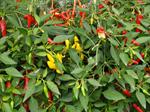
Learn in depth hydroponics management of major commercial crops
Gain important harvest and post-harvest techniques
Improve your yields and gains
Value add to your products with salad mixes
Reduce damage produce
Save yourself time and money by preventing costly mistakes
Develop your capacity to make informed decisions regarding the management of commercially significant hydroponic crops. This course was developed to cover key issues which have been identified as recurrent problems for many experienced gowers. It is suitable for anyone who has either completed hydroponics I, or alternatively, has significant prior experience.
COURSE STRUCTURE AND CONTENT
This detailed course contains 11 Lessons each with Set Tasks and 11 Assignments. Lessons covered include plant growth, evaluating procedures through trials, harvest & post harvest, tomatoes, capsicum, lettuce & greens, curcubits, strawberries, roses, carnations and orchids. Lesson details are as follows:
1. How the Crop Plant Grows
- Understanding how a plant grows in hydroponics
- Plant growth factors
- Roots, Stems. Leaves, Reproductive Parts
- Manipulating and controlling growth
- Light Levels, Air Temperature, Root Zone Temperature, Relative Humidity, Carbon Dioxide and Oxygen, etc
- Heating and Ventilation Systems
- Thermal Screens
- Blackout, Shading and Lighting Equipment
- Day Length Manipulation
- Irrigation and Nutrition Control
- Links to Weather Station
- Controlling Plant Growth: Stopping, Spacing, Disbudding, Trimming, Training
- Growth Control: Chemical and Cultural
- Pest and Disease Disorder Control
- Intercropping
- Plant troubleshooting
- Resources
- Fruit set management
- Pollination issues
- Flower initiation
- Flower and fruit development
2. How to Run a Small Evaluation Trial
- What is a Hydroponic Trial
- Running a Crop trial
- Setting up a Comparison Trial
- Records and Recording
- Evaluating the Trial
- Research Methodology
- Experimentation
- Steps for Collecting Data
3. Harvest and Post Harvest
- Importance of Harvest and Post Harvest Management
- Understanding Harvested Crop Physiology
- Ripening of Fruit
- Respiration
- How and When to Harvest
- Preparing Salad Mixes from Harvested Hydroponic Produce
- Prevention of Bruising and Post Harvest Rots
- Packaging
- CA and MA Storage
- Chilling Damage and Storage Te3mperatures
- Harvesting and Grading Vegetables
- Grading Standards
- Fruit Grading Systems
- Mechanised Grading
- Grading Equipment
- Harvesting Cut Flowers; stage, shelf life.
- Post Harvest Treartments for Flowers
- Grading Standards for Flowers
- Conditioning and Packaging Flowers
- Marketing: wholesale, supermarket, export, contract, local retailers, etc.
4. Tomatoes
- Growing Hydroponic Tomatoes
- Growing conditions
- Nutrition
- Suitable Systems
- Culture
- Problem Management
- Capsicum
5. Growing Capsicums; Bell Peppers in Hydroponics Growing conditions
- Nutrition
- Suitable Systems
- Culture
- Problem Management
6. Lettuce, Salad Greens and Foliage Herb Crops
- Lettuce
- Celery
- Chicory
- Endive
- Parsley
- Spinach
- Basil
- Marjoram
- Mint
- Sage
- Thyme
7. Cucurbits (Cucumber and Melons) Growing Hydroponic Cucumbers
- Growing conditions
- Nutrition
- Suitable Systems
- Culture
- Problem Management
- Other Cucurbits in Hydroponics; Marrow, Zucchini, Melon, Watermelon, Pumpkin
8. Strawberries
- Growing Strawberries in Hydroponics
- Growing conditions
- Nutrition
- Suitable Systems
- Culture
- Problem Management
9. Roses
- Growing Roses in Hydroponics
- Growing conditions
- Nutrition
- Suitable Systems
- Culture
- Problem Management
10. Carnations
- Growing Carnations in Hydroponics
- Growing conditions
- Nutrition
- Suitable Systems
- Culture
- Problem Management
11. Orchids
- Growing Orchids in Hydroponics
- Growing conditions
- Nutrition
- Suitable Systems
- Culture
- Problem Management
- Harvest and Post Harvest for different Orchid Genera
Each lesson culminates in an assignment which is submitted to the school, marked by the school's tutors and returned to you with any relevant suggestions, comments, and if necessary, extra reading.
WHAT YOU WILL DO IN THIS COURSE
- Interview two different people who have experience seriously growing plants in hydroponics. These might be hydroponic shop owners, commercial growers, or even just keen amateurs. They should be people who can answer the questions below from experience.Ask each of these people the following questions and make notes of their answers:
- What has been the most difficult plant variety you have grown in hydroponics? This should be something you have succeeded with, but have had to put extra effort into succeeding with; and perhaps success has only come after a second or third attempt.
- What type of system did you use to grow this in?
- What do you think was the most critical factor in manipulating the growth of this plant; how did you control that factor, and how did your action affect the plant’s growth?
- What type of commercial crops are most suited to commercial hydroponic farming in your locality, and why? Locate information on hydroponic trials that have been conducted by others.
- Information you find might include evaluations of particular crops or varieties, evaluations of particular technology for hydroponics, or evaluation of various systems or methods for particular crops.
- You should try to find information from sources such as hydroponics magazines and journals, hydroponics books, the Internet, hydroponics experts, and any other sources you can think of.
CROPPING STRATEGIES IN HYDROPONICS
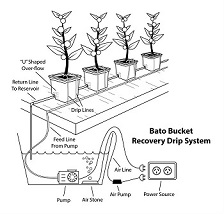
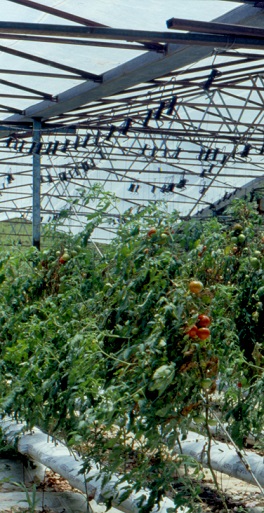 There are many alternative strategies that can be used in hydroponics. As a starting point, most growers decide what crops they wish to grow, then select a system suited to those crops. The main systems, NFT, rockwool and aggregate, are described in detail in chapters 5, 6 and 7 of Commercial Hydroponics.
Regardless of the system chosen, growers must tailor their cropping strategies to ensure market success. There are many variables that can help the grower to make the most of his or her system. For example, altering the feeding and watering regime, changing the crop spacing, modifying the plant support system, or perhaps using new computer-automated equipment can significantly improve production.
An important aim of tailoring each operation is to use space more efficiently, and hence improve commercial viability. Some of the key factors in using hydroponic space efficiently are described below.
Plant Spacing
Plant spacing is determined by the crop species’ growth habit. All plants will grow quickly and uniformly until available light energy is reduced. Spacing then plays an important function. The closer the spacing of flowers, the smaller the stem and blooms that are produced. Generally, more space is required between plants in winter than in summer because of less available light. The seed suppliers often offer a recommended spacing and the grower’s experience will confirm this.
To reduce the potential of disease spread and foliage damage it is preferable that foliage of each plant does not touch. This is often difficult as crops mature, and pruning is often required to maintain space. Damaged foliage is open to invasion by unwanted pathogens.
Intercropping
Intercropping can mean growing two or more different plant species in the same greenhouse or hydroponic system or, more commonly, it has come to mean planting young seedlings of the same species in a crop of mature plants, as is carried out with tomatoes. In this case, as the older crop starts to drop off in production and is nearing the end of its useful life, young seedlings are planted either side of the older plants and allowed to develop in the same growing media. As the older crop is removed, the younger plants have already established and begin to fruit, this reducing significantly any down time between one crop and the next.
Given that different plants have different growing requirements, it is often difficult to grow two different plants side by side, or in the same system in hydroponics. Tomatoes for example need a different nutrient mix for optimum fruit production to what lettuces need for producing a large tight leafy heart.
Roses might grow and flower in the same hydroponic bed for years, but many vegetables only grow for months. If the vegetable grows among roses, perhaps removing the vegetable roots might disturb the rose roots. Questions such as this do need serious consideration if you plan to grow different crops together in the same hydroponic system.
So ... Why should I take this course?
- Learn in depth hydroponics management for major crops.
- Learn about key issues identified as recurrent problems for experienced growers.
- Develop the capacity to make informed management decisions.
- You are serious about Hydroponics and want to further your career, own business or develop further your own goals of self sufficiency.
WHAT NEXT?
Register to Study - Go to panel toward top of this page (right column)
or
Get Advice - Use our FREE COUNSELLING SERVICE to contact a tutor
CLICK TO CONTACT US