Understand What is Needed to Build the Hard Landscape
Landscape construction is something which all landscapers should be familiar with, even if they are more focused on soft landscaping. Construction skills are not only necessary in building hard landscape features, but also in repairing and restoring existing features.
Learn how to Make a Landscape Garden
- Understand the tools, equipment and materials.
- Explore the options for working with the ground, building structures, and creating a landscape that is safe, functional and aesthetically pleasing.
- Know the scope and nature of work carried out by a landscape contractor, as a foundation for improving your career opportunities, or starting a landscaping business.
COURSE STRUCTURE AND LESSON CONTENT
The course comprises 10 lessons as detailed, below.
Lesson 1: Tools and Machinery
- Manual Handling
- Materials used for Constructing Tools and Equipment; ferrous metals, non ferrous metals
- Safety with Electricity
- Engine Troubleshooting
- Machine Maintenance
- Types of Machines
- Chainsaws: safety, buying, using
- Brush cutters
- Earth moving and Cultivating Equipment; rotary hoes, ploughs, cultivators, etc.
- Workshop and Hand Tools; spanners, chisels, hacksaws etc.
- Hand saws, Rakes, Spades, Shovels, Rollers, Wheelbarrows, Sprayers, etc.
Lesson 2: Landscape Plans and Setting out a Construction Site
- Reading Landscape Plans, Scale, etc
- Understanding and Using Triangulation
- Slope, Contouring, Grid Systems
Lesson 3: Drainage in Landscape Construction
- Introduction to Drainage
- Testing Drainage
- Improving Drainage
- Improving Soil Water Infiltration
- Improving Drainage after construction; sand slitting, aerating, sub soiling
- Sub Surface Drains; types, layout, outlet, gradients, pipe spacing, etc
- Surface Drainage
- Soil Testing; testing nutrients, pH, toxins
Lesson 4: Earthworks
- Levelling terminology
- Levelling Procedure
- Levelling a Sloping Site
- Earthmoving
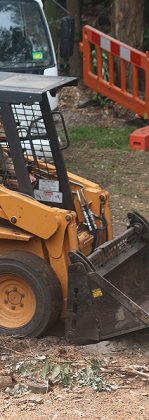
- Earthmoving Machinery; Bobcat, Backhoe, Dozer
- Use an Experienced Driver
- Topsoil Considerations
- Earth Forming: creating Mounds
- Building Raised Garden Beds
- Earth Quantity Calculation
- Soil Degradation
- Erosion; water erosion, wind erosion, controlling erosion
- Soil Acidification Management
- Managing Soil Compaction
- Managing Chemical Residues
Lesson 5: Surfaces, Paths, Paving and Turf
- Introduction
- Surfaces for Play Areas
- Concrete; concrete, cement, mortar, variations in treatment and use
- Loose Surfacing Materials: advantages and disadvantages
- Bark Surfaces, Crushed tiles, pebbles, etc.
- Paths; concrete, asphalt, etc.
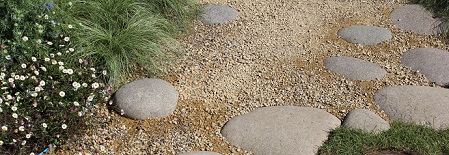
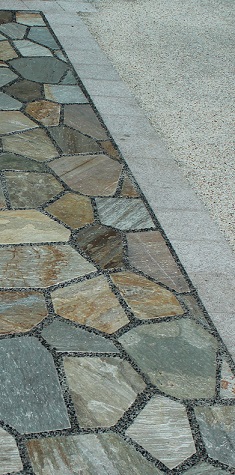
- Paving; laying pavers, setting out circular paving, curved paving, edges to paving
- Lawns and Turf; shape, design, establishment
- Garden Edges
- Playing Field Construction
- Sand Based Technology
- Constructing Steps
Lesson 6: Construction of Garden Structures I
- Buildings in a Garden; gazebos, verandahs, storage buildings, cubbies, etc.
- Where to build a building
- Floors and Foundations for Buildings
- Walls; brick construction, coping, expansion joints, etc.
- Fencing
- Retaining Walls
- Wooden Walls
- Construction with Rock or Masonry; dry walls, wet walls
- Home Playgrounds
- Using Timber in the Garden
- Differences between Softwood and Hardwood
Lesson 7: Construction of Garden Structures II
 Compost Bins
- Traditional Features: gazebos, statues, gates, arches, sundials, bird baths, urns, tubs, pergolas, pleached alleys, etc.
- Wooden Decks
- Constructing a Deck
- Greenhouse and Shadehouse; types, construction, installation
- Water Features; Waterproofing, keeping water clean
- Landscaping a pond
- Tennis Courts
- Spas
- Rockery Construction
- Artificial Rock Formation
- Mulching Rockeries
- Garden Furniture
- Lighting in the Garden
Lesson 8: Irrigation Systems
- Planning an Irrigation System
- Types of Systems: sprinkler, drip, automatic, etc.
- Using and Maintaining an Irrigation System
Lesson 9: Establishing Hedges and Other Plants
- Factors affecting successful plant establishment
- Physical Plant Protection Methods
- Hedges; site preparation, plant selection, spacing, planting, pruning, hedge maintenance
Lesson 10: Workplace Safety and Management of Landscape Construction Work
- Risk Management on a Landscape Construction Site
- The Risks
- Keeping a Work Site Safe
- Duty of Care
- Significance of Illness
- Protective Clothing
- Safety with Tools and Equipment
- Safety with electricity and different types of equipment
- Tool Maintenance
COURSE AIMS
On successful completion of the course you should be able to do the following:
- Manage equipment for landscape construction projects, including tools and machinery.
- Determine earthworks for a landscape development.
- Plan the construction of different landscape structures including buildings, fences, and walls.
- Manage the installation of a simple irrigation system in gardens.
- Determine construction techniques for different building or installing different garden features; including paving, water gardens, rockeries and furnishings.
- Determine techniques for creating soft landscaping.
- Manage work being undertaken on a landscape construction site.
WHAT YOU WILL DO IN THIS COURSE
- Compare the quality and cost of a range of different tools and machinery used in landscape construction.
- Identify tools and machinery used in everyday work by landscape contractors.
 Explain appropriate uses for different tools and machinery on a landscape construction site.
- Prepare landscape plans for a number of landscape sites.
- Research and report on marking out boundaries in construction sites.
- Describe how to locate contours.
- Determine the fall of existing drains, and identify appropriate falls, spacing and depths of drains.
- Observe and report on earth moving equipment in operation.
- Survey a site and recommend earthworks necessary.
- Examine surfacing materials for paths, gardens, etc. and determine the appropriate landscaping function of each.
- Assess the construction of a range of different existing landscape features.
- Describe preparation of foundations for a specified garden structure, on a specific site.
- Design a rockery at least 30 square metres in area.
- Contact a range of suppliers of landscape materials and compare the products available in your locality.
- Identify materials needed to install an irrigation system on a site selected by you.
- Prepare plans of irrigation systems.
- Research which species of plants are suitable for hedging in your locality.
- Outline how to effectively transplant an existing tree.
- Prepare a detailed risk assessment for a landscape construction site.
- Identify safe working practices for a landscape construction site.
- Determine a list of work tasks to be undertaken on a landscape construction site. Give a time frame for completion of the entire project.
HOW THE COURSE WORKS
You can start the course at any time.
It is studied by distance learning, so you can study in the comfort of your own home. But this doesn't mean you are all alone in your studies. Our highly qualified and friendly tutors are there to help you every step of the way. If you have any questions at all, they are always happy to help.
STUDYING WITH ACS
- Start any time - our courses can be started at any time, and you work at your own pace.
- Fit your studies around your own life - carry on working whilst you study.
- Get high quality courses with support and guidance from our expert tutors.
HOW THIS COURSE COULD BENEFIT YOU
This course is of great value to people wishing to work in landscaping. It is likely to benefit people who wish to add basic construction to their landscaping and gardening skills. It could serve as a platform for further study or be taken in conjunction with other modules to enhance your learning experience.
People who should take this course are those working in, or wishing to work in:
- Landscape Construction
- Landscape Design
- Garden Maintenance
- Garden Restoration or Conservation
- Landscape Materials Supply
It could also add to the skill-set of people wanting to start a landscape business, or be of value to people wishing to renovate a home garden.
DO YOU HAVE ANY QUESTIONS?
Do you have any questions - do you want to know more about the course, about studying with ACS, or about which course to choose to suit your work or career goals?
Get in touch with us today - connect with our highly knowledgeable tutors; they will be pleased to hear from you.