Learn About the Concepts of Landscape Design
We are all familiar with gardens and other manmade landscapes, but many people do not have the knowledge to fully understand how to create the different components of these different landscapes. As well as choosing appropriate plants to meet the local climate and soil conditions landscaping is concerned with design and construction.
Lay a solid foundation in design
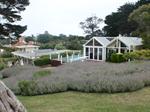
- An ideal introductory course - learn about garden design concepts, garden furnishing, drafting and contracting, landscape construction and more.
- Understand all of the different elements which form part of the design of gardens and landscapes.
Landscape Design is a multifaceted skill. It allows you to take a vision or "feeling" and transform it into a workable plan. It isn't just making a place look nice, nor mass planting, but is also about suiting the landscape to the climate, land and setting that you have to work with. An understanding of plants, soils, timbers, climate, and other landscape materials are pivotal to the success of a good landscape design.
COURSE STRUCTURE
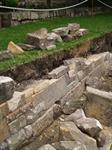 There are 10 lessons in the course which are as follows:
- Basic Design Procedure A. Collecting pre-planning information, landscape elements, principles, etc.
- History of Gardening. Garden styles and themes, famous designers, garden influences.
- Draughting & Contracting. Drawing techniques, specifications, details.
- Basic Landscape Construction. Timber, steps, retainer walls, pathways, playstructures, etc.
- Surfacings. Concrete, asphalt, gravels, mulches, grasses, gradients, etc.
- Furnishings & Features. Chairs, statues, figurines, birdbaths, skateboards, safety, etc.
- Park Design A. Good/bad park design characteristics, recreational landscaping.
- Home Garden design. Good/bad garden design characteristics.
- Basic Design Procedure B. Development of concept plans and detailed planting plans.
- Park Design B. Development of park design, fun & fitness trails. The course includes a Special Assignment - a comprehensive landscape design development.
COURSE AIMS
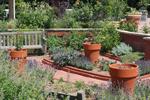 Create visual effects through the use of different landscape design concepts.
- Determine pre-planning information required to prepare a landscape design.
- Determine an appropriate garden style for a landscape, to satisfy specifications for a design project.
- Illustrate a landscape design through a plan, using legible graphic skills.
- Determine different hard landscape features, including earthworks, surface treatments and furniture, to incorporate in a landscape.
- Prepare planting designs for different landscapes.
- Design different types of landscapes, including domestic gardens and public parks.
EXAMPLES OF TASKS YOU MAY COMPLETE ON THIS COURSE
- Explain the complete range of principles, elements and concepts used in landscape design.
- Visit and analyse a broad range of landscape styles, themes and components.
- Perform methods utilised to develop concepts and to create affects.
- Identify, record and utilise pre-planning information for the purpose of design development, and to use a checklist as a guide for surveying a site for a proposed design.
- Perform site survey and client interview with the site owner/manager.
- Explain the significance of effective client liaison, in a specific landscape job.
- Identify historical influences on landscaping in your locality.
- Explain the influence on modern garden design of work by three garden designers who have been prominent in world garden history.
- Develop and compare the appropriateness of three design options for one specific landscape project.
- Draw an extensive range of different landscape symbols on paper, covering soft and hard landscape features.
- Transpose two different landscape drawings, reducing the scale by a specified amount.
- Draw a plan for a landscape, using legible graphic techniques.
- Determine site preparations required for a specified landscape site, including clearing/cleaning and earthworks.
- Explain the legal requirements for cleaning up after a job in your locality.
- Determine suitable timbers for construction of four different types of garden structures.
- Compare the suitability of different materials for surfacing paths, including: Asphalt, Concrete, Local gravels, Local mulches, Timber, Ceramics.
- Collect, catalogue and determine appropriate use for different items of garden furniture.
- Design a paved area for a garden surveyed, including: scale drawings and construction instructions.
- Prepare a plant collection of at least eighty different plants incorporating: Pressed plant specimens, Scientific and common names & Cultural details.
- How to use each of these plants in different landscape situations uses.
- Evaluate established landscapes based on: Costs, Maintenance, Function, Aesthetics.
- Develop detailed planting designs, including plant lists, for different landscape plans, to satisfy given job specifications.
- Analyse and compare the landscape designs of numerous selected homes and public parks.
- Develop and prepare concept plans for landscape areas such as: Outdoor living area, Kitchen garden, Courtyard,Children's playground, Entry to home, Neighbourhood park.
- Draft a series of four conceptual plans, showing stages in the design of a surveyed home garden.
- Prepare a professional standard landscape design for a client in your locality, including: A landscape plan drawn on tracing paper, Materials specifications, including types and quantities, Budget details.
Student Comment
[The course] gave me an insight into a subject that I have been interested in for a long time. Plus it has helped me in my current job with a local landscape/nursery company. [The structure] was done in a way which was very easy to understand and this helped when you hit a subject which was hard to get a grip with. All feedback from the tutors was very constructive and helpful.
David Painter, Landscaping 1, UK.
Where you Could Go From Here
This course is a solid introduction to landscaping. It serves as an ideal foundation for people wishing to work in landscaping.
It could serve as a platform for further study or be taken in conjunction with other modules to enhance your learning experience. People who should take this course are those working in or wishing to work in:
Landscape construction
Landscape design
Garden design
Garden maintenance
Garden restoration or conservation
It could also add to the skillset of people wanting to start a landscape business, or be of value to people wishing to renovate a home garden.
WHAT NEXT?
Register to Study -Go to panel toward top of this page (right column)
or
Get Advice -Use our FREE COUNSELLING SERVICE to contact a tutor
CLICK TO CONTACT US