Study parks and playgrounds, playground philosophy, concept plans and plans for playgrounds, structures and materials and more.
-
Learn to Design Playgrounds, for parks, schools, child minding centres, home gardens, etc.
- Course developed by John Mason (Playground designer for over 35 years) and an international team of experts.
- Gain insights into child development, the importance of play; and how to create environments that are sympathetic to a child's needs.
- Expand your skills, further your career, start or expand a business.
This course develops a sound understanding of the design and construction of small community parks and playgrounds. A valuable course for parks managers or designers, the course covers playground philosophy, design of play structures (for function and safety), materials selection, community participation and park design.
Lesson Structure
There are 8 lessons in this course:
- Overview of Parks and Playgrounds
- Playground Philosophy
- Preparing a Concept Plan
- Materials
- Park and Playground Structures and Materials
- Local and Neighbourhood Parks
- Community Participation in Park Development
- Special Assignment
Each lesson culminates in an assignment which is submitted to the school, marked by the school's tutors and returned to you with any relevant suggestions, comments, and if necessary, extra reading.
Course Aims
- Determine the procedure to plan a park development, including a playground and other facilities.
- Prepare a concept plan for a park or playground.
- Assess the design of park components, including materials and equipment used in parks and playgrounds.
- Determine appropriate design characteristics for a local or neighbourhood parks.
- Determine legal implications involved in the design of a playground.
- Design facilities to cater for movement throughout a park or playground.
- Manage appropriate community participation in development of a park or playground.
What You Will Do
Why Do We Need Playgrounds?
What is the Purpose of a Park or Playground?
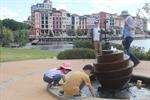
There are many possible reasons why we might choose to create a park or playground; for example:
- Somewhere children can play.
- A place that the community can meet and socialize in.
- A buffer zone (e.g. between houses and other places).
- A sanctuary for wildlife.
- Somewhere to play sport.
- Somewhere to walk.
- To make an area look more attractive.
- To enhance the physical environment (vegetation increases oxygen levels, and helps keep the air cooler in summer and warmer in winter).
There may be many other reasons.
“I have found that most people think parks are built for people to use; but most of the same people rarely use parks”
Everyone seems to think we need parks and playgrounds to go to and use.
As with many things though; reality is often different to what people assume to be the case.
If we are going to plan a park or playground anywhere, the first step is to identify what functions it is to serve.
Always remember what the public needs, and what it wants are two different things.
Sometimes needs and wants are in conflict.
The purpose which we want a park or playground to fulfil may reflect needs rather than wants of the community (or it may reflect both).
Once you know the functions which a facility should serve; you can then set about designing the facility to serve those functions.
You may not always be able to satisfy all criteria though; so you should perhaps prioritize criteria before you begin.
What is a Playground?
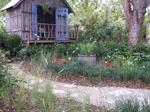 Playgrounds are in the broad sense, anywhere that people play.
- Most people tend to think of playgrounds as something for children; but adult playgrounds have also been built at times, in some places.
- Play is very serious business for children.
- Play is in fact more important than schooling in the development of a child. They learn many things (both physical and intellectual skills) through play; and without adequate opportunities to play, a child will not develop properly (and in later life, can as a result, have problems).
Consider Risk
The risk involved with children playing has been more than what some authorities have been prepared to bear.
In the past some authorities have removed playgrounds, or at least some playground equipment from parks, rather than risk an injury that might result in an unbearable lawsuit.
This approach however, may be considered “short term thinking”. Without play opportunities, tomorrows adults might not be
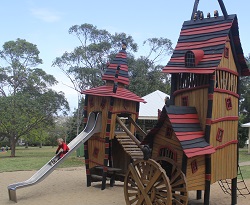 Consider:
- A government authority may be held liable if a child suffers physical injury on playground equipment which they own. BUT
- A government authority might also responsible, maybe liable if a community grows up deficient in a range of learning opportunities because the authority failed to provide adequate play opportunities; or excessively restricted opportunities.
There has been a great deal of research undertaken into safety and play, over the last 50 years.
If a playground or park is designed well, the chances of any accident being serious will be greatly reduced.
Park and playground planners or designers must minimize risk; but not necessarily eliminate risk. Note: By eliminating all physical risk, you may be adding to psychological developmental risks.
What Next?
Register to Study- Go to “It’s Easy to Enrol” box at the top of the page and you can enrol now.
or
Get Advice – you can contact us by phone on (UK) 01384 442752, or (International) +44 (0) 1384 442752, or
Connect with our specialist Landscaping tutors.