Learn about making your own food, growing your own food, harvesting food, preservation and storage of what you grow, grow your own.
Perhaps you have dreamed of starting a small home based business, selling through markets or local retail outlets. Maybe you just want to become more self sufficient with food at home. Take this course to become more self sufficient; or as a foundation for working with food; either growing, processing or marketing food products.
Lesson Structure
The course lasts 100 hours. You can start the course at any time. There are 10 lessons in this course:
- Diet and Nutrition
- Introduction to good health
- Science of nutrition
- Nutritive Values of different foods
- Effects of Inadequate Nutrition
- Food allergies
- Water
- How to be a Vegetarian
- Vegetables -nutritive value, fibre
- Health Basics, Natural Body Cycles
- Major Food Groups,
- Dietary Sources for different nutrients
- Choosing and Using Vegetables
- Understanding Carbohydrates and Diet
- Fats, Proteins, Minerals and Diet
- Energy Production
- Recipes and A well balanced diet.
- Living a Well Balanced Life -eating, exercise, etc
- Establishing a Kitchen Garden
- Why Grow Herbs and Vegetables
- Deciding food plants that can be grown in your garden,
- What you can grow, and how you might use it
- Designing a productive garden.
- Managing Water for Optimum Value
- Integrated Pest Management
- No Dig Growing Method
- Permaculture Gardening
- Biodynamic Growing
- Other Growing Methods
- Understanding and Managing Soil
- Getting Started with a Vegetable Garden
- Vegetables
- Growing Vegetables from Seed
- Transplanting Seedlings, Crowns, Offsets and Tubers
- Using Cold Frames or Cloches
- Culture for specific types of vegetables, including:
- Brassicas
- Lettuce
- Legumes
- Onion
- Potato
- Tomato
- Others incl. Beetroot, Capsicum, Carrot, Celery, Corn, Eggplant, Parsnip, Spinach, Cucurbits
- Others including: Artichokes, Garlic, Asparagus, etc.
- Mint, Fennel, Dandelion
- Mushrooms
- Harvesting Vegetables
- Growing -fertiliser, pest and disease management
- Fruit
- Establishing a Orchard -What to consider
- Orchard Location
- Cross pollination, Winter Chilling
- Pruning in the Home Orchard
- Cultural techniques for different types of fruits & berries
- Citrus
- Apples
- Apricots
- Avocado
- Cherry
- Fig
- Grape
- Olive
- Pear
- Peach
- Raspberry
- Strawberry
- Other Fruits: Mango, Medlar, Olive, Papaya,Pineapple, Blackcurrant, Kiwi Fruit,etc
 Cutting Propagation
- Bottling
- Scope and Nature of Bottling
- Equipment
- Techniques for jelly/jam making
- Sauces
- Pickling
- Bottling
- Freezing and Drying
- Scope and Nature of Freezing
- Freezing Tips
- Anti Browning agents
- How to Soften Water
- Managing a Freezer
- Vegetables you can Freeze
- Harvesting and preserving techniques
- Scope and Nature of Drying
- Tips for Drying
- Producing Milk and Eggs
- Milk Production
- Choosing a Dairy Breed
- Cows, sheep and goats
- Nature and Composition of Milk
- Milk Protein
- Factors affecting Milk Composition
- How Milk is Made
- Lactation Cycles
- Managing a Dairy Cow
- General Methods of Caring for Animals
- Animal Feed, Water and Health
- Scope and Nature of Poultry
- Feed and Water for Poultry
- Developing an egg production system
- Keeping Goats
- Pasture Management
- Growing & Cooking with Herbs
- Growing Herbs
- Harvesting Herbs
- Storing Herbs
- Drying and Freezing herbs
- Companion Planting
- Selection and cultivation of culinary herbs
- Recipes for cooking with herbs.
- Using Herbs -Garnishes, Condiments, Medicinal Uses, Teas, Flavourings etc
- Egg and Cheese Cookery
- Value of Eggs
- Storage and use of eggs
- Distinguishing different types of cheese, cooking with eggs & cheese.
- Grain
- Different Types of Flour -wheat, corn, oat, soy, etc
- Role of Cereals in Nutrition
- Characteristics of Different Grains
- Using Grains
- Baking with Herbs
- •Baking bread, etc.
Each lesson culminates in an assignment which is submitted to the school, marked by the school's tutors and returned to you with any relevant suggestions, comments, and if necessary, extra reading.
Aims
- Explain the importance of good diet and nutrition to good health
- Discuss the potential for increasing self sufficiency by growing your own food in a kitchen garden.
- Describe the potential and appropriate procedures for vegetable growing in your area.
- Describe the potential for fruit growing and appropriate fruit growing procedures for your locality.
- Describe the process of practices like bottling to extend the shelf life of produce.
- Explain the process of practices like freezing and drying to extend the shelf life of produce.
- Describe the principles of animal production and processing animal products, where someone is seeking to improve dietary self sufficiency.
- Describe growing and cooking with herbs, where someone is seeking to improve dietary self sufficiency.
- Describe the use of eggs and cheese where someone is seeking to improve dietary self sufficiency.
- Describe the use of grains in a situation where someone is seeking to improve dietary self sufficiency.
Can You Produce Food for All of the Year?
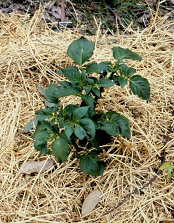 The short answer is "Yes"
There are things that you need to know and do though; and in many respects, that is why you may need to study this course.
Consider:
- Chickens don't lay as many eggs over winter; but if you understand that and prepare in advance, you can have preserved eggs to use, or perhaps minimize the decline in egg production by the way you manage the poultry.
- Vegetables and fruits from the garden may not be as plentiful in winter; but there are things you can grow (if you know!); not to mention, produce from warmer times can be made into preserves, dried or frozen.
How to Grow Winter Vegetables
Winter can be an ideal time for planting and cropping many vegetables in both warm and cool climates; provided you choose what you grow, and grow it the right way for the conditions. As long as there is some light and day temperatures are at least 5 or 6 degrees celsius on most days; some vegetable growing is possible.
Cooler months can be just as productive as summer in the vegetable garden
In cool temperate areas you may need to
have most of your planting well underway by early autumn to have winter harvests, however there are some vegetables that like these cool conditions, so don’t despair if you have left your run too late this year!
If temperatures are regularly dropping below freezing; you may need a greenhouse, plus some heating or artificial light over that period to achieve any production.
Ideal Temperatures
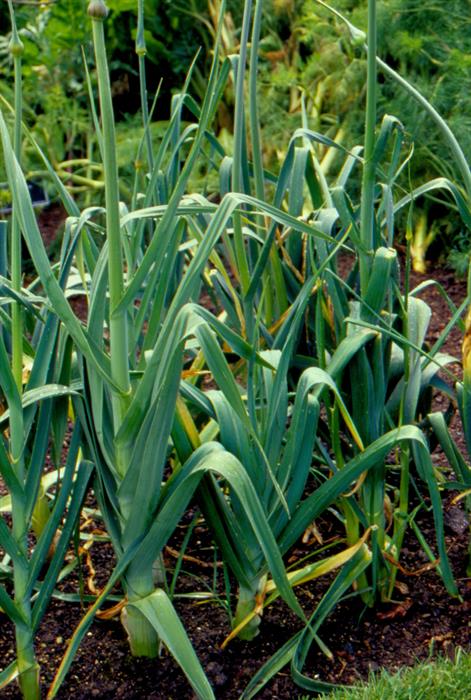
Cool season vegetables like broccoli, cabbage, kohlrabi, onions, broad beans, peas, radish, spinach, turnips, rutabagas, leek can tolerate frosts overnight and will still grow in soil temperatures to as low as around 4°C. Despite still growing in these temperatures, most cool season crops grow better and are more productive if temperatures are in the range 10-20°C.
Other vegetables sometimes called intermediate season vegetables like beets, carrots, cauliflower, parsley, parsnips, lettuce and Swiss chard (silver beet) are less tolerant of frost but will still grow in soil temperatures to as low as around 4°C. However, they will grow better between 15-20°C.
Warm season vegetables need temperatures above 20° Celsius and will fail to grow in many parts of the country over winter unless protected with poly tunnels, plastic sheeting or taller rows of plants. These include potatoes, pumpkins, cucumbers, tomatoes and capsicums.
Another thing to remember: it isn’t just the temperature that determines the flowering time of many plants, and that day length is also a determining factor. Some plants will only flower if the length of the day is right for them – there are long day plants (ones that need around 8-12 hours of daylight to flower (e.g. lettuce), short day plants (such as onions) and those that are less fussed either way (day- neutral), tomatoes and beans for example fall into this last category. However tomatoes and many varieties of beans (other than broad beans) do need warmth to continue to grow and ripen in winter. Growing long day plants in winter can be used to advantage though; some vegetables and herbs grown for their leaves rather than their fruit such as spinach, lettuce, coriander and dill, tend to bolt to seed in warmer months (when the days are longer and hotter).
The trick to planting a productive winter vegetable garden then is to choose plants that grow well in your conditions or to provide the conditions that will help them to continue to produce well (e.g. tunnel house, hot house and lights).
How Fast Can You Harvest Them?
It all depends upon not just the type of vegetable, but the cultivar and time of planting. Many types of broccoli may take 90 days or more from planting to harvest, but some cultivars, if planted when weather is warmer in autumn, can sometimes be harvested in as little as 55-60 days.
Some turnips can be harvested 5 to 6 weeks after planting but the roots will be small. For larger roots, it can require 10 weeks. Similarly, radishes might be harvested within 3-4 weeks and carrots in 6 weeks; but again roots are smaller. However, smaller roots of all three are generally more tender and sweeter.
Keeping them Growing
In winter a liquid fertiliser on your vegetables to keep them actively growing, applying liquid feeds directly around the root zone. A fortnightly fee of seaweed/fish emulsion mix, will work wonders at keeping your vegetables moving during the colder days; Seaweed for example is ideal.
During winter, plants lose less water through evaporation because of the cooler air temperatures. You therefore don’t need to have a thick layer of organic mulch as you would in summer to reduce water loss from the soil. To prepare the vegetable patch for winter planting you can rake off the mulch and store it ready to reapply in summer. This also gives pests like woodlice less places to hide and emerge from to attack young seedlings as they push through the surface.
STUDY THIS COURSE and
LEARN TO GROW, HARVEST, PRESERVE and USE FOODS
WHAT NEXT?
Register to Study - Go to “It’s Easy to Enrol” box at the top of the page and you can enrol now.
or
Get Advice – Email us at info@acsedu.co.uk OR
Use our FREE COUNSELLING SERVICE to contact a tutor
CLICK TO CONTACT US