Improve your knowledge of Pet care and health
 This course was developed and tutored by highly qualified and experienced professionals (Veterinarians, wildlife park managers, university lecturers etc.).
This course provides an outstanding opportunity to extend your knowledge, perspective and capacity to care for all types of pets.
Duration: 100 hours (nominal duration)
COURSE STRUCTURE
There are eight lessons in this module as follows:
1. Introduction to Animal Care
Laws and licenses, Animal Charities and Societies (eg. RSPCA, WSPA, Blue Cross), Pet Care Needs (feeding, Watering, Shelter, Containment, Fencing, Caging, Protection), Maintaining Health, Hygiene
2. Cats
Breeds (Lang Haired, Semi Long Haired, Short Haired, Oriental etc), Cat Selection, Allergies, Containment, Sexing, Desexing, Breeding, Newborn Kittens, Exercise, Behaviour, Hygiene, Feed and nutrition, Amount of food, Watering, Grooming, Travelling, Care for a sick cat (Signs of illness, Temperature, Common ailments, Skin disorders, Ticks), Cats and wildlife.
3. Dogs
Dog Selection, Breeds (Pure and mixed), Varying size and temperament, Grooming, Skin care, Inherited traits (aggression, deafness), Containment, Breeding, Desexing, Exercise, Behaviour, Feeding, Canine Nutrition, Bones, Watering, Training, Travelling, Identifying sickness, etc.
4. Birds
Bird Selection, Breeds (eg. Canaries, Finches, Budgerigars, Small Parrots etc), Sexing, Desexing, Containment (Aviaries –selection, design, size, management), Feed, Feeding, Watering, Grooming (Wing trim, Beak Trim, Nail Trim), Hygiene, Catching and Restraining, Travelling, Caring for the Sick Bird, Signs of illness, Temperature, Supportive therapy, Common Ailments (eg. Abscesses, Alopecia, Apoplexy, Aspergillosis, Breathlessness, Constipation, Parasites), Safety in the Home,
5. Fish
Fish Selection, Inside or Outside, Warm or Cold water, Number of fish, Types of fish (Tropical, Marine, Cold Water), Costs, Size, Equipment, Tanks, Ponds, Pumps, Aquariums, Night lights, Water quality, Changing Water, Feed (Pelleted, live feed –Daphnia, Brine Shrimp), Illnesses (Fungal, Bacterial, Parasites, Environmental)
6. Rabbits
Rabbit Breeds (Large, Small and Dwarf), Selection, Legality (Illegal in some areas), Containment (Hutch or Cage), Environment (temperature etc), Feeding, Nutrition, Watering, Feed quantities and routine, Grooming, Handling, Moulting, Transporting, Sexing, Breeding, Identifying illness (Coccidiosis, Snuffles, Myxomatosisis, Sore Hocks, Pasteurellosis, Ear Canker, Heat Stroke, Cannibalism, Calcivirus Disease), Care of sick rabbits, etc.
7. Reptiles and Amphibians
Types (eg. Salamander, Frogs, Venomous snakes, Non-venomous snakes, Shingle-backed lizard, Tortoises, Terrapins, Axolotls, etc), Selection, Legal Issues, Housing, Environmental requirements (Moisture, Humidity, Warmth, etc), Terrariums, Problems (eg. Dehydration, Stress, External and internal parasites, Blisters, Scale Rot, Mouth Rot or Canker, Colds/pneumonia, Constipation and diarrhea, Cannibalism,Incomplete sloughing of the skin -shedding of the skin); Feed and feeding, General Care,
8. Guinea Pigs, Hamsters and Mice
Varieties, Selection, Containment, Sexing, Breeding, Grooming, Feeding, Watering, Illness (eg. Skin Problems, Abscesses, Mites, Ringworm, Fleas, Respiratory Infection, Vitamin C Deficiency, Otitis, Salmonella, Stripping etc)
COURSE AIMS
- Discuss the general principles of pet care, as they relate to a wide range of different types of pets.
- Describe routine care for cats.
- Compare the characteristics of different cat breeds.
- Describe routine care for dogs.
- Compare the characteristics of different dog breeds.
- Describe routine care for birds as pets.
- Describe routine care for fish
- Describe routine care for rabbits as pets.
- Describe routine care for reptiles and amphibians.
- Describe routine care for rodent pets.
WHAT YOU WILL DO IN THIS COURSE
- Develop timetables for husbandry tasks to be undertaken over a typical week, caring for a specific breeds of animals (several, but your choice).
- Recognize things that indicate a dog is sick – diet and temperament
- Develop a checklist of things which should be done regularly to ensure the good health for pets
- Determine things a person should consider when trying to decide what type of pet to acquire
- Compare the requirements and restrictions for keeping different animals as pets in your locality
- Discuss the advantages/disadvantages of keeping different types of cats
- Explain why is it particularly important to de-sex cats and when de-sexing should be carried out
- Discuss the nutritional requirements of a cat, and identify the cause of N.S.H., and its early signs.
- Describe problems associated with long haired dogs
- Discuss a dog’s sleeping requirements if it lives in a temperate climate
- Explain problems can arise through over feeding a dog
- Identify ideal diet for a dog
- Explain why puppies under 6 months should be allowed to exercise themselves
- Determine common signs of a general disease condition in a dog
- Explain why birds moult.
- Discuss the characteristics of large, open aviaries, and all their requirements
- Discuss how a small bird should be caught in its cage
- Explain what breathlessness indicates in a bird
- Discuss factors are common in the care of all fish
- Explain why it is important to maintain the correct level of oxygen in water for fish
- Discuss differences in requirements for caring for salt water fish compared with freshwater fish
- Explain the handling, caging, feeding and other aspects of rabbit care.
- Discuss different colours and breeds of rabbits
- Discuss the environmental/caging needs of all reptiles
- Discuss the feeding requirements of reptiles
- Explain the handling of reptiles.
- Discuss the care of both sick and healthy amphibians and reptiles.
- Explain how to determine the sex of a guinea pig, and the age do they reach sexual maturity
- Explain the temperature to keep guinea pigs at, and what happens if the temperature drops
- Explain the feed and nutritional needs of rodents.
- Discuss what can happen if a female hamster with a litter is disturbed
- Explain how many litters a year could a female mouse produce if not prevented from doing so
- Explain health and disease problems associated with mice.
DO YOU REALIZE HOW MANY DIFFERENT CAT BREEDS THERE ARE?
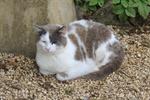 Choosing a pet can be difficult. There are so many different breeds within every type of animal; and every breed not only looks different, but will act different and have its own unique mix of characteristics –some desirable, and some probably not so desirable. Consider some of the choices with cats alone on the following table:
Cat Breeds
|
LONG HAIRED CATS
|
COLOUR VARIETIES/CHARACTERISTICS
|
|
Persian
|
white, black, blue, and others
|
|
Smoke Longhairs
|
black, orange eyed, white, blue, red self, cream, lilac, chocolate and others
|
|
Tabby Longhairs
|
black, blue, chocolate, cream, lilac with silvery undercoat
|
|
Tortoise shell Longhairs
|
silver, black & others
|
|
Chinchilla
|
red, black, white, bi-coloured
|
|
Voile (Shaded)
|
undercoat -white, black, blue, chocolate, lilac
|
|
Cameo
|
undercoat -light but not white
|
|
Colour points
|
many colours including red and cream
colour of Siamese -dark brown, chocolate, red, blue cream, tortoise, tabby
|
|
SEMI-LONG HAIRED CATS
|
|
|
Angora
|
white
|
|
Turkish van
|
white with red tail
|
|
Birman
|
darker legs, face, ears & tail, white feet
|
|
Norwegian Forest Cat
|
all colours of European cat
|
|
Somali
|
ticked, ruddy, sorrel, blue, beige fawn
|
|
Maine Coon
|
ticked or self-coloured
|
|
BRITISH SHORT HAIRED CAT
|
|
|
Tabby British Shorthair
|
various colours, distinct "M" on forehead
|
|
EUROPEAN SHORT HAIRED CAT
|
|
|
European Shorthair
|
self coloured, tabby, striped, spotted, tortoise shell, bicoloured, or various new colours
|
|
SHORT HAIRED WESTERN CATS
|
|
|
Russian Blue
|
blue with silvery sheen
|
|
Chartreux
|
light grey-blue
|
|
Abyssinian
|
agouti, sorrel, ruddy, blue, beige fawn
|
|
Manx
|
no tail, all colours
|
|
Burmese
|
brown, blue, chocolate, lilac, red, cream
|
|
Cornish Rex
|
all colours
|
|
Devon Rex
|
all colours
|
|
German Rex
|
all colours
|
|
SIAMESE SHORT HAIRED CAT
|
|
|
Siamese
|
semi-albino, seal point, chocolate point, lilac point, cream point and new colours.
|
|
ORIENTAL SHORT HAIRED CATS
|
|
|
Korat
|
close lying, blue with silver tipping
|
|
Balinese
|
no ruff, with Siamese colouring
|
|
Ragdoll
|
seal blue and chocolate points
|
|
Cymric
|
long haired Manx
|
|
Short Haired Persian
|
diverse colours and shades
|
|
Japanese Bobtail
|
various colours
|
|
Scottish Fold
|
various colours
|
|
Sphynx
|
hairless
|
|
Egyptian Mau
|
various colours
|
NOW - WATCH THIS AND START TO UNDERSTAND DOG BREEDS
GENERAL REQUIREMENTS FOR KEEPING PETS
No matter what type of pets you are looking after there are some general needs that must be fulfilled. These include:
Food
All animals will require sufficient food, of the right type/s, and at the right intervals. This will obviously vary considerably from animal to animal, for example dogs usually have diets with a high meat component, some birds will have diets high in seeds, some birds may require such things as insects or meal worms, rabbits and guinea pigs may be fed on grasses and vegetable scraps, while reptiles may be fed with live food (e.g. mice, frogs).
Understanding what types of food your animals require is very important, it is also important that you understand differing food requirements at different stages of their life (e.g. young versus mature animals, when pregnant or feeding young). To ensure the best health of your animals, only use good quality food that has been properly stored (e.g. not perished, or mouldy, or infested with pests). Discuss with your vet to ensure your animals are receiving adequate nutrition from their diet, and to determine ways in which you might need to modify it to improve their all round nutrient intake.
Although it can seem nice to treat pets to human foods and sweets, or to leave food constantly available to your pet, it can be very detrimental to their health. Certain foods that are fit for human consumption can in fact be toxic to pets. Allowing your pet to eat constantly, or providing them with a poorly balanced diet can lead to obesity. This is an increasing problem and has serious complications for animals, they are unable to move as freely and become sedentary, and they can develop joint problems such as arthritis, as well as injuries related to the stress on their spines from the additional weight. Heart disease is also more likely along with complications such as obesity related diabetes.
Watering
Nearly all animals will require regular watering, some having high water requirements. Water should be of high quality, and plenty provided. The types of water containers provided should be suitable to the types of animals you are watering, for example deep, steep-sided containers may pose a drowning risk to small animals, including birds, while containers or troughs used by multiple numbers of a particular pet should provide sufficient room (access) so that there is not any great degree of competition between the animals for the water - this is particularly important on days of high water need (i.e. very hot days), or with more aggressive animals.
Water containers/sources should also be placed in suitable position where they are stable (not easily dislodged or knocked over), where they will not be contaminated by debris or animal droppings falling into them, and easily accessed by both your pets to drink, and you to fill them. For some animals the containers may need to be placed in a position that provides some degree of shelter and/or protection from other animals. Placing water in a position sheltered from the sun will also reduce evaporation rates. Ideally at least two, and depending on the space available and animals you are watering, possibly more separate containers should be available, in case one becomes fouled, or is knocked over. Animals can quickly suffer or die if sufficient water is not available on a hot day. Containers should be regularly inspected for damage, and regularly and thoroughly cleaned to minimise pest and diseases problems. Any automatic watering systems should be regularly maintained, and regularly checked to ensure they are operating properly.
Shelter/Containment/Protection
Caging and fencing can serve a number of functions. This includes:
• Containment - ensuring you pet/s don't escape.
• Shelter - providing protection against the elements.
• Protection - both against other animals (predators), and to protect other animals and people from your animal/s (e.g. snakes, aggressive dogs). Any caging or fenced area should have the following features:
• Size - sufficient to cater for the animal’s needs
• Strength – sufficient to contain the animal, to keep other animals out and to withstand the local weather conditions
• Safe - no sharp edges, or protruding parts, ensure materials aren’t toxic to the animal (treated timbers, rusted metals, asbestos sheeting etc).
• Position – providing shelter for the animal and being securely fixed into place
• Access - for cleaning, providing food and water. Access should be secured to prevent escape. It is crucial that any containment area is regularly checked over and maintained properly.
Maintaining Health
Good hygiene is critical. This includes such things as maintaining food and water quality, cleaning out wastes regularly, and controlling pests and diseases. Regular preventative measures for controlling pests and diseases are vital. Examples include spraying cages/shelters, regular worming treatments, vaccinations, flea and tick treatments, regular inspections for signs of problems in the animals yard as well as on the animal itself, regular grooming and dental care, and quarantining animals that are suspected or known to have pest or disease problems can significantly reduce the likelihood of problems occurring, and minimise their spread when they do occur. Regular veterinary check ups are important, to detect any conditions that may otherwise go unnoticed.
It is important that animals receive adequate opportunity for exercise to avoid them becoming overweight and unhealthy. Many smaller pets thrive on human contact and it is necessary to spend time interacting with them, playing, wrestling or during grooming.
What do our Students Think?
ACS Student Comments:
"Undertaking research reinforces learning, and it makes me learn more than I would on the course notes alone. The tutor’s comments are very useful. He also provides links to interesting materials relative to my course. Lana Hurley, Pet Care course.
" I have never found the staff at any other learning institution as supportive as the staff at ACS. This gives one a lot of peace of mind and confidence to go on - at every squeak from my side, you guys have always been there, immediately to sort me out. The feedback on my lessons has always been really good and meaningful and an important source of my learning. Thanks!..."
"Mr Douglas is a fantastic tutor, I have learnt so much from him. He gave comments that aided in understanding and was always positive and encouraging....makes me feel not so distant. His tutoring made me strive harder." - Lisa
WHAT NEXT?
Register to Study - Go to “It’s Easy to Enrol” box at the top of the page and you can enrol now.
Get Advice - get in touch with our specialist Pet Care tutors today, or phone us on (UK) 01384 442752 or (International) +44 (0) 1384 442752.