Study Edible Australian Plants, the pleasure of Bushtucker!
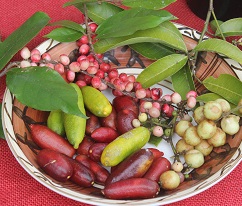
- Discover new and exotic culinary pleasures with flavours of Australian Indigenous plants
- A course for plant enthusiasts, food enthusiasts or anyone looking for something different and exciting to spice up their horticulture or hospitality business
Lesson Content and Structure
Duration - 100 hours
There are 8 lessons in this course:
- Introduction
- Scope
- Is it Edible
- Native Plants to be Cautious with
- Understanding Plant Toxins
- Nutritional Value of Bush tucker
- Plant Identification
- Naming Plants
- Hybrids, Varieties and Cultivars
- Plant Families
- Pronouncing Plant Names
- Resources
- Growing
- Understanding Soil
- Improving Soil
- Feeding Plants
- Growing Australian Plants on Low Fertility Soils
- Planting Procedure
- Mulching
- Pruning Australian Plants
- Propagation
- Seed
- Collecting, Storing, Germinating Seed
- Difficult Seeds
- Seed Germination Techniques
- Handling and raising seedlings
- Asexual Propagation (Cuttings, Division, etc)
- Gathering
- Introduction
- Ethics
- Bush Foods as A Commercial Venture
- Gathering Acacia Seed
- Developing a Bush Food Garden
- Designing a Bush Garden
- Selected Native Trees for a Bush Tucker Garden
- Selected Shrubs for a Bush Tucker Garden
- Selected Small Indigenous Australian Plants for a Bush Tucker Garden
- Rainforest Gardens
- Desert Gardens
- Edible Arid Zone Bush Tucker plants
- Water Management
- Nuts and Seeds
- Macadamia
- Araucaria
- Aleurites moluccana
- Athertonia diversifolia (Atherton Oak)
- Castanospermum australe
- Hicksbeachia pinnatifolia
- Acacias
- Using Acacias (eg. Wattleseed Essense)
- Vegetables
- Native Spinach (Tetragonia tetragonioides)
- Pigface (Carpobrotus sp.)
- Longleaf Mat Rush (Lomandra longifolia)
- Solanums (Bush Tomatoes or Kangaroo Apple)
- Blechnum indicum
- Apium prostratum (Sea Celery)
- Native Lilies
- Microseris lanceolata (Yam Daisy)
- Dioscorea transversa (Wild Yams)
- Native ginger Alpinia caerulear
- Seaweeds
- Fruits
- Astroloma
- Austromyrtus dulcis (Midgen Berry)
- Billardiera sp (eg. Appleberry)
- Davidsonia purescens (Davidson’s Plum)
- Eugenia spp. and Syzygium spp. (eg. Bush Cherries)
- Ficus (Native Figs)
- Planchonella australis (Black Apple)
- Quandong (Santalum)
- Rubus sp (Native Raspberry)
- Other Fruits ...lots more outlined
- Flavourings, Teas, Essences
- Backhousia
- Curcuma (related to ginger)
- Eucalyptus
- Leptospermum
- Soaked Flowers (eg. Grevillea)
- Acacia
- Alpinia caerulea
- Tasmannia sp
- Using Bush Tucker Plants
- Develop your ability to identify, select, and develop processing procedures, for a range of varieties of bush food plants selected.
Each lesson culminates in an assignment which is submitted to the school, marked by the school's tutors and returned to you with any relevant suggestions, comments, and if necessary, extra reading.

Aims
- Discuss the nature and scope of bush tucker plants.
- Review the way bush tucker plants are accurately identified.
- Describe how to cultivate a range of bush tucker plants.
- Describe how bush foods are harvested from the wild and how to set up a cultivated bush food garden.
- Outline the cultivation, harvest and use of various bush tucker nuts and seeds.
- Explain the cultivation, harvest and use of various bush tucker vegetables
- Explain the cultivation, harvest and use of various bush tucker fruits
Explain the cultivation, harvest and use of various bush tucker plants that are used to flavour foods or beverages
- Describe the preparation of bush tucker.
MAKE SURE YOU KNOW WHAT YOU ARE EATING
Anyone needs a certain level of expertise in botany and plant identification to correctly identify edible plants that have not been grown before. Incorrect identification can lead to illness or death – even in the same plant family, the toxicity of species within a genus varies considerably. Some may be valuable plant foods, others so toxic they can kill.
An of this is the genus Solanum (deadly nightshade family, of which the common potato and tomato are members). There are hundreds of different solanums growing in the wild, across Australia, the Americas and other parts of the world. Many plants in this genus contain extremely toxic alkaloids, while others are a valuable source of food.
Consider the Australian native ‘bush tomato’. This common name is applied in Australia to both edible and poisonous species. If you use the right species, picked at the correct time (when very ripe) and processed correctly, these are tasty and unique bush-tucker foods. Others (that may even be growing alongside the edible species) are extremely poisonous, eg. S. ellipticum (an edible bush-tomato) often grows alongside the poisonous S. quadriloculatum.
Why Bush Tucker?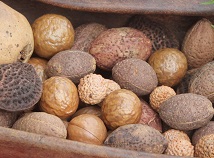
Australia is one of the last frontiers for plants in the world. It contains many hundreds of species of edible plants that have been eaten for millennia by aboriginals; but have never been tasted by people outside of Australia (or by most people in Australia). These plants represent a wonderful repository of new culinary tastes for the world to yet discover. That situation offers commercial opportunities for cooks and growers alike.
WHAT NEXT?
Register to Study - Go to “It’s Easy to Enrol” box at the top of the page and you can enrol now.
or
Get Advice – Email us at info@acsedu.co.uk OR
Use our FREE COUNSELLING SERVICE to contact a tutor
CLICK TO CONTACT US