Study Biochemicals - understand more about biological systems
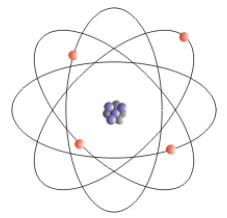
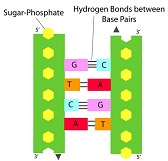 In addition to carbon, most organic compounds contain hydrogen, and most contain oxygen as well. The atoms of these elements are arranged in various forms to make up most of the dry weight of living organisms. The four main types of biochemical molecules are proteins, carbohydrates, lipids and nucleic acid. Other important molecules for metabolism regulation are hormones and neurotransmitters which are made up of different protein, carbohydrate, lipid and nucleic acid combinations.
In this course, you will:
- Learn about the chemical behaviour of molecules.
- Improve your knowledge of these molecules as a foundation to better understanding the biochemical reactions they become involved in (covered in Biochemistry III).
- We provide supportive and flexible distance learning.
COURSE STRUCTURE
1. Introduction to Biochemical Molecules - What is Biochemistry? Cells, Metabolic Processes.
2. Amino Acids - Biochemical Nomenclature, Amino Acid Properties, Genetic Coding, Terminology.
3. Structure of Proteins - Functions, Structure, Fibrous Proteins, Cofactors and Conformations, Post Translational Modifications, Protein Denaturation, Protein Degradation.
4. Protein Dynamics - Folding, Molecular Chaperones, Heat Shock Proteins, Understanding Protein Structure, Structural Evolution
5. Sugars and Polysaccharides - Saccharides, Polysaccharide Bonds, Polysaccharide Function, Monosaccharides, Disaccharides.
6. Lipids (Fats) and Membranes - Lipids, Cholesterol, Cellular Membranes, Terminology
7. Enzymes, Vitamins and Hormones.
8. DNA and RNA - Nucleic Acids, Structure, Types of RNA, DNA Replication, Inheritance, Interesting Facts.
9. Laboratory Techniques - Laboratory Health and Safety, Common Experimental Methods.
AIMS
 Learn the characteristics of biochemical molecules and to distinguish between different groups of biochemical molecules.
 - Describe the structural characteristics and other properties that differentiate standard amino acids one from another.
- Learn about the structures of different proteins (both covalent and 3-dimensional).
- Describe common protein dynamics including folding, structural evolution and haemoglobin function.
- Describe the structure and dynamics of different types of saccharides and polysaccharides.
- Understand the composition and structure of both lipids and membranes.
- Describe the structure and dynamics of different types of enzymes, vitamins and hormones.
- Describe the structure and function of different types of nucleic acids including DNA and RNA.
- Become familiar with some of the basic laboratory techniques used in biochemistry and to appreciate the importance of safety in the laboratory.
WHAT YOU WILL DO IN THIS COURSE
- Describe some of the main differences between prokaryote and eukaryote cells.
- Explain mitochondria and why are they important for cellular functioning in eukaryotes.
- Explain the difference between dextrorotary and levorotary molecules.
- Explain the difference between standard and non-standard amino acids.
- Name the bond that is created between two adjacent amino acids in a chain, and state what two chemical groups are involved in forming this bond.
- Name some of the methods used today to determine the amino acid sequence of a polypeptide.
- State common causes of protein denaturation.
- Explain why sickle cell anaemia is called a “molecular disease”.
- List the main types of secondary structure present in proteins and the structural categories of proteins. Include examples.
- Name the bond that can form between cysteine residues in a polypeptide and explain why these are important.
- Explain why polypeptide or protein folding is important.
- Comment on the statement that “proteins and enzymes have static structures”.
- Describe what might be required for a protein to fold efficiently into its active (or native) conformation.
- Define polysaccharides.
- Name one polysaccharide important in nature and describe its structure.
- Explain glycoproteins.
- Classify lipids.
- Explain why fats are an efficient form of energy storage.
- Draw a saturated and non-saturated hydrocarbon.
- State what class of biomolecules enzymes belong to.
- Explain the role of enzymes in metabolism.
- Explain how the flux of reactants through metabolic pathways can be controlled via enzyme regulation.
- Do an Internet search to find out information on the structure of DNA proposed by Watson and Crick in 1953. Discuss the significance of their findings.
- Name the four nucleotide bases that DNA is composed of and state which bases can pair with each other on opposite strands.
- Describe the structure of DNA (B-DNA) with as many of the essential features as you can list.
- Describe the equipment used for gel and paper electrophoresis and the operation principles.
- List some methods for purifying and studying proteins along with a brief description of each method.
- List some of the properties of proteins that form the basis for their purification and separation from each other.
Enrol Today or Find out More
You can enrol on Biochemistry II at any time. The course is studied by distance learning - online or by eLearning. You are guided and supported in your studies by our expert Science tutors.
If you have any questions, or want to know more, please get in touch with us today - use our Free Course Counselling Service to find out more.