Learn about plant growth and development
Study the principles and processes of plant physiology and their practical applications in this advanced botany course.
This course is all about "applying botany". It is
practical and applicable to anyone working or wanting to use botanical
knowledge for commercial or workplace solutions.
What causes what to happen in a plant? What makes growth speed up or slow down, or a certain type of growth start or stop? Learn about the processes that occur within a plant to cause flowers to form, leaves to grow and die, roots to form, etc.
-
Learn more about plant physiology.
-
Study in your own time and at your own pace.
-
Learn with support from highly experienced tutors.
Duration: 100 hours
CONTENT
There are 10 lessons in this module as follows:
1. Flower physiology
-
Introduction
-
The flowering response
-
Genes control flowering
-
Physiological age
-
Minimum leaf number
-
Photoperiodism
-
Terminology
-
Light
-
Measuring light
-
What wavelengths do plants need
-
Typical photoperiod responses
-
Photoperiodic responses in seasonal flowering plants
-
Photoperiodic classification of plants: short day plants, long day plants, day neutral plants
-
Detection of photoperiod
-
Critical photoperiod and flowering
-
Research facts
-
Other photoperiodic effects
-
Terminology
4. Control of flower bud initiation and development
-
Stages in flower bud growth
-
What can affect flower bud initiation
-
Differentiation
-
Development
-
Anthesis
-
Effect of temperature on growth and flowering
-
Vernalisation
-
Thermoperiodism
-
Research reports or reviews of specific plants
-
Terminology
6. Effects of plant associations and competition
-
Introduction
-
Competition
-
Parasitism
-
Coevolution
-
Mutualism
-
Plant herbivore and pathogen interactions
-
Crop spacing and crop yields
-
Crop canopy and plant density
-
Impact of weeds
-
Protected environments
-
Greenhouses
-
Shadehouses
7. Respiration and post harvest physiology
8. Post harvest storage, transport, retailing and shelf life
-
Effect of growing conditions on post harvest life
-
Controlled storage conditions: temperature, atmosphere, humidity
-
Normal atmospheric conditions
-
Controlled and modified atmospheres
-
Effect of oxygen levels Effect of carbon dioxide levels
-
Ethylene
-
Controlling ethylene levels
-
Modified Atmosphere Packaging
-
Commodity transport
-
Retailing and shelf life
9. Endogenous and synthetic growth regulators
-
Nature of plant hormones
-
Auxins: IAA, IBA, NAA
-
Gibberellins: natural and synthetic
-
Cytokinins: over 130 different types
-
Abscisic acid
-
Ethylene
-
Other hormones: anti auxins, growth inhibitors, growth retardants, defoliants, growth Stimulators, non standard hormones
-
Controlled ripening and degreening
-
Waxing
10. Risks involved with plant growth manipulation
COURSE AIMS
- Investigate the physiology of growth development and flowering.
- Examine the nature of phytochrome and its effect on flowering in the phytochrome reaction.
- Examine the photoperiodic responses of flowering plants to differing dark and light periods.
- Examine the effect of temperature on the onset of flowering and flower development.
- Understand and describe the causes of dormancy in seeds and plants and describe the methods of breaking dormancy.
- Understand plant associations and competition and their effects on quality and marketable yield.
- Explain the process of respiration in plant cells and its effect on post-harvest storage and transportation of crops.
- Describe physiological processes in post-harvest crops in relation to the storage conditions.
- Investigate the effect on plants of endogenous and synthetic growth regulators.
- Understand risk assessments relevant to plant growth manipulation.
WHAT MAKES PLANTS DO WHAT THEY DO?
You may not think of plants as doing anything; but if you stop and think, they do lots of things. They grow, they die; they produce fruit, flowers, seed and regenerate after they have been damaged. Plants respond to watering (or dryness); to light (or dark) and to variations in temperature.
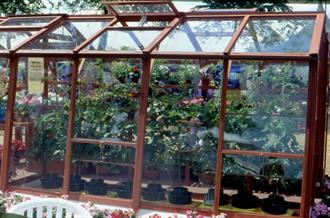
This course explores all such responses, and more. By studying Botany II, you will develop a deeper understanding of the processes that occur in plants, and the things that stimulate or inhibit those processes.
CONSIDER HOW PLANTS REACT TO LIGHT
Plants can sense and respond to light of different intensities and quality. Plants have the capacity to sense and respond to variations in a wide range of characteristics, including light wavelength intensity, duration and direction.There are different systems that are involved in a plant sensing and reacting to light:
-
Blue Light responses
-
Red Light Responses
-
Other Types of Light
Blue Light Responses
Blue light can cause a variety of responses including:
-
Phototropism
-
Opening of Stomata on leaves
-
Synthesis of Chlorophyll High intensities of blue light are needed for the final stage of chlorophyll formation. Some other responses require lower intensities of blue light.
Red Light Responses
Also called the Phytochrome system; red light can stimulate a variety of responses including:
-
Flower Induction (formation of flower buds)
-
Chloroplast Development (i.e. organelles that conduct photosynthesis, found inside plant cells – not the same as chlorophyll)
-
Leaf senescence (i.e. aging of leaves)
-
Leaf abscission (i.e. separation of leaves from a plant, dropping old leaves)
Other Types of Light
The Blue and Red light systems are the best understood, and most important. Other wavelengths of light are known to affect plants also, including:
-
Root tissue on a germinating seedling needs exposure to UV-B light (Ultra Violet-B) to stimulate developing tissue differentiation, which causes the development of leaves. Germinating seeds are normally on or close enough to the surface of the ground to obtain required exposure. Without this UV-B exposure, young seedlings may not develop leaves.
-
There is evidence that yellow light may suppress growth in some plants. Petunias have been grown with stronger levels of yellow light and lower levels of other types of light in order to produce a smaller, more compact plant.
-
Euphorbia and Pelargonium grown under blue light (with reduced levels of red) have produced more compact plants
-
Green light is not used in photosynthesis (thought to be why many plants appear green, it makes no difference for the plants to reflect green light because they don’t need it).
WHAT NEXT?
Register to Study - Go to “It’s Easy to Enrol” box at the top of the page and you can enrol now.
or
Get Advice – Email us at info@acsedu.co.uk OR
Use our FREE COUNSELLING SERVICE to contact a tutor
CLICK TO CONTACT US