Potted Herbs
How Do You Grow Herbs in Pots?
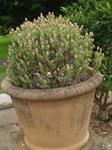 Pots, tubs, baskets or any other type of container can be a great way to grow your herbs. Container gardens offer a great deal more flexibility than growing in the ground. You can move your garden about continually changing it's appearance, bringing plants to the foreground when they are at their best and hiding them when their appearance deteriorates. This is a particular advantage with many herbs which die back to nothing but roots (leaving the pot bare) at times of the year.
Herbs grown in containers are ideal for the person who has limited space such as balconies and patios, and provides easy access for those people who find ordinary gardening difficult. Kitchen herbs are particularly handy in a tub by the back door, or in pots on a kitchen bench or window sill. Container growing allows you to change the appearance of your garden, firstly the variety of containers available offers new textures, shapes and colours that can be added to your garden, and secondly by growing in containers you can change the profile of the garden plants can be grown at different heights.
If your soil is poorly drained or infertile, container growing is one way to ensure good growing conditions. Large and invasive plants can be kept to a manageable size, and when conditions get too harsh (e.g. on blistering hot days), the plant can be easily moved somewhere more protected.
Caring For Herbs In Containers
1. Watering
Pot plants dry out faster than those in the ground. Check the growing medium every few days (even more often in hot or windy weather), by feeling an inch or so below the surface. Water pots thoroughly. The best way is to immerse the pot for a few minutes in a bucket or tub full of water.
2. Feeding
Because nutrients wash through pots and are lost fairly rapidly, potted herbs should be fed regularly. Use slow release fertilizers, two to three times a year and regularly apply a liquid fertilizer such as Maxicrop or Aquasol during the active growing seasons.
3. Pruning and Harvesting
Most herbs withstand ruthless pruning, in fact the best growth for cooking is lush young foliage which sprouts straight after a hard prune. This lush growth is susceptible to wind, heat and cold, so move your pots into a protected place when you prune them.
4. Potting up
After a year or two, most potted herbs start to become pot bound (i.e. there are too many roots in the pot), and repotting is necessary. Plants can be put back in the same pot if you remove some of the top growth, and cut away some of the old roots. This allows you to add some fresh, fertile, new soil. Alternatively pot up into a larger container.
5. Ventilation, Light & Temperature.
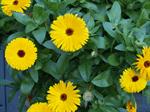 Plants in pots need the right temperature and light conditions. For most herbs, that means something between 10 and 30 degrees celsius. Too hot or too cold is just no good. Fresh air is also important, particularly in humid climates. Keep space (about 10 15cm) between pots so air can circulate, and problems with disease will be greatly reduced.
6. Overcoming Problems with Containers:
The most common problems with pot plants are overwatering or underwatering. If you overwater, the drainage holes at the bottom of the pot will always be wet, and if you knock the plant out of the pot the tips of the roots may be dark and starting to rot. If your pot plant is drying out too quickly, try spreading some mulch on the surface, moving it to a more sheltered place, or incorporating more well rotted organic matter into your potting mix the next time you pot up.
Choosing The Best Herb For A Pot
Herbs are generally quite tough plants many of which are able to withstand periods of dryness and poorer soils. Whilst some may be grown mostly for their aromatic fragrances, many are grown for their culinary uses. Many herbs have growth habits that adapt well to growing in containers. Suitability however depends on both the local climate and also the microclimate, for instance:
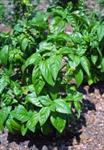 Basil is grown for its aromatic leaves used extensively in recipes indicative of Mediterranean cooking. Basil may overwinter in subtropical and tropical regions but are best grown as annuals elsewhere. They may be grown from seeds planted in spring or as seedlings (in cooler areas planted out in late spring early summer). Basil needs to be well watered to produce lush leaves and some feeding (don’t overdo it as flavour and scent will be lessened).
- Chives are hardy plants from the onion tribe – they do well in containers and would add extra interest in a vertical garden. Keep them reasonably well fed and watered. Common chives die back in winter (keep this in mind as you will have bare spaces in your garden during winter – garlic chives are evergreen.
- Lavender will add scent and colour to your vertical garden. It will tolerate some dryness; they resist heat and dry spells once fully established, as long as they are not without moisture or days on end. They do not tolerate excessive humidity. Lavenders prefer a sunny position and well drained, non-acidic, potting mix. If they are well tended they will grow happily in a vertical garden; prune once or twice a year (but not down to the old wood).
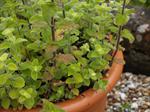 Mints will cover a wall well if the roots and foliage never become dry, but in a hot windy climate, where they are exposed to direct sunlight, the foliage can deteriorate rapidly on a hot day even if the roots are wet. In a partially shaded vertical wall they should do very well.
Mints are best grown in individual containers as they have a tendency to spread and take over mixed plantings using their underground rhizomes. They prefer a rich soil but will also do well in clay soils. In cooler climates they die back over winter but re-emerge in spring. The potting soil will need to be changed every couple of years as they quickly deplete its nutrients. Mints are versatile culinary herbs with a wide range of uses in the kitchen.
- Oregano and Marjoram Origanum marjorana (sweet marjoram) Low spreading, woody bush to 30cm tall oval green/grey leaves. Use fresh or dried leaves to flavour meats, vegetables, sauces, vinegars etc. It needs protection from frost in winter, responds best to fertile, moist and well-drained soil.
Origanum onites (Cretan oregano, Greek oregano) is hardier than marjoram with slightly larger leaves without leaf stalks (marjoram has leaf stalks). Flavour is a little spicier then sweet marjoram. Growing conditions similar to marjoram - but it is more resistant of harsh conditions; does best in slightly alkaline soils.
- Parsley is better grown as an annual since its leaves have a better flavour and texture for flavouring or garnishing food during its first year of growth. It will do well in pots positioned in sunny to part shaded areas in free-draining fertile soil with a high organic content. Remove flowers when they appear.
- Sage Salvia officinalis a woody perennial to 60cm tall; grey green woolly leaves. Grows best in fertile, well watered, well drained (never water logged) open potting mix, in full or lightly filtered sun. Will tolerate some dryness once established. Prune hard after flowering to rejuvenate; plants become increasingly woody over the years, and are usually replaced after 5 to 6 years.
- Rosemary is a useful kitchen herb and the creeping variety is ideal choice for a sunny vertical garden. It tolerates drier conditions and needs a well -drained potting mix. Picking fresh leaves regularly helps to create a lovely full plant. Upright rosemary species may need time to establish on a vertical plane – making the creeping species a better choice. Look out for Rosamarinus ‘Huntington Carpet – this is a lovely variety that only grows to about 25cm in height; it is ideal for a vertical garden.
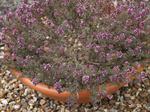 Thyme - evergreen dwarf shrubs and ground covers, most of which grow to less than thirty centimetres high. They are a good choice for containers in green walls. Common thyme: Thymus vulgaris and lemon thyme Thymus X citriodorus are two useful culinary species.
Learn More
Plants are grown in all sorts of different ways - in beds, in containers, up walls, inside - and we have a wide selection of courses and eBooks that cover these and more. From courses about growing plants over walls and roofs, to organic gardening, protecting against pests and diseases, managing gardens, managing nurseries and much more.
Our courses have been extensively developed by horticultural specialists and our selection includes those aimed at home gardeners, to courses aimed at professionals and their development. Our courses also cater for those with different levels of knowledge and experience - from beginners, to experts. A selection of our courses, with links to the relevant pages, are shown lower down this page.
If you are interested in studying with ACS and have any questions about our courses, please get in touch with our specialist Horticulture tutors today - they will be pleased to help you.
[25/04/2024 23:04:42]
More from ACS
Over 150 short courses, certificates and diplomas covering landscaping, crops, plants of all types and general gardening.