Grow and Harvest Commercial Vegetable Crops
- Learn to grow and harvest a wide range of vegetable crops for a commercial market garden.
- After enrolling, watch our "orientation video" and discover how to use all sorts of services to support your study.
- Lots of flexibility is where and how often you study -even what your learning is focused on
- Exams are optional and only needed if you want to use this study as a credit in a formal qualification -even then, we always give you the option to repeat exams
- Exceptional tutor support - Our horticulture faculty includes university trained professionals, most with decades of industry experience.
COURSE STRUCTURE
Course Aim
Develop your skills to grow and manage a commercial vegetable crop.
CONTENT
There are eight lessons as follows:
1. Introduction to Vegetable Growing
Understand the planning processes required in setting up a farming enterprise. Select appropriate crops.
2. Cultural Practices for Vegetables
Explain general cultural practices used for vegetable production.
3. Pest, Disease & Weed Control
Explain the management of potential problems, including pests, diseases, weeds, and environmental disorders in vegetable production.
4. Hydroponic & Greenhouse Growing
Explain alternative cultural techniques, including greenhouse and hydroponic production, for vegetables.
5. Growing Selected Vegetable Varieties
Determine specific cultural practices for selected vegetable varieties.
6. Irrigation
To develop understanding of how efficiently manage the availability of water to vegetable crops in order to achieve optimum growth.
7. Harvest & Post-harvest
Determine the harvesting, and post-harvest treatment of different vegetables.
8. Marketing Vegetables
Develop marketing strategies for different vegetables.
SUMMARY OF COMPETENCIES DEVELOPED
On successful completion of this course, you should be able to:
- Select appropriate vegetable varieties for different situations.
- Explain general cultural practices used for vegetable production.
- Explain the management of potential problems, including pests, diseases, weeds, and environmental disorders, in vegetable production.
- Explain alternative cultural techniques, including greenhouse and hydroponic production, for vegetables.
- Determine specific cultural practices for selected vegetable varieties.
- Determine the harvesting, and post-harvest treatment of different vegetables.
- Develop marketing strategies for different vegetables.
WHAT THE COURSE COVERS
Here are just some of the things you may be doing:
- Compile a resource file of sources of information regarding vegetable varieties.
- Describe the classification of different vegetables into major groups.
- Prepare a collection of plant reviews of different vegetable varieties.
- Determine three appropriate cultivars from each of different species of vegetables to be grown on a specified site.
- Prepare a planting schedule of vegetable varieties, to be planted over a twelve month period, in your locality.
- Differentiate between soil management practices for different vegetable varieties.
- Explain the establishment of vegetables by seed.
- Explain how to establish three different vegetables from seedlings.
- Prepare a table or chart showing the planting distances, and planting depth of seed for different vegetable varieties.
- Describe the application of pruning techniques to the production of specified vegetables.
- Prepare a crop schedule (ie. production timetable) for a specified vegetable crop.
- Prepare a pressed weed collection of different weeds.
- Differentiate between different specific techniques for weed control in vegetable crops, including different chemical and different non-chemical methods.
- Determine pest and disease problems common to different specified types of vegetables.
- Identify appropriate control methods for the pest and disease problems you determined (above).
- Develop pest and disease control programs, for the lifespans of different vegetables.
- Determine the environmental disorders occurring with vegetable crops inspected by you.
- Explain the methods that can be used to prevent and/or overcome different environmental disorders affecting vegetables.
- Determine the potential benefits of greenhouse vegetable production in a specified locality.
- Differentiate between the characteristics of different types of greenhouses.
- Compare vegetable growing applications for different environmental control mechanisms used in greenhouses, including:
- Different types of heaters
- Shading
- Lighting
- Different types of coolers
- Vents
- Fans
- Describe how a specified commercial vegetable crop might be grown in a greenhouse visited by you.
- Compare vegetable growing applications for the major types of hydroponic systems
- Open and closed systems
- Aggregate
- Water
- Aeroponic culture
- Determine reasons for choosing to grow vegetables in hydroponics rather than in the open ground.
- Explain how a specified vegetable can be grown in an hydroponic system.
- Determine two commercially viable varieties suited to growing in a specified locality, from each of the following different types of vegetables:
- Brassicas
- Cucurbits
- Tomatoes
- Lettuce
- Onions
- Potatoes
- Legumes
- Determine specific cultural requirements for growing each of the vegetable varieties selected (above) on a specified site.
- Describe the culture of less commonly grown vegetables chosen by you.
- Produce a log book, recording all work undertaken to grow a crop of different vegetable varieties, suited to your locality.
- Describe different harvesting methods, including both manual and mechanical techniques, used in vegetable production, for specified vegetables.
- Identify the appropriate stage of growth at which different types of vegetables should be harvested.
- Evaluate commonly used harvesting techniques of vegetables.
- Evaluate commonly used post-harvest treatments of vegetables.
- Determine post-harvest treatments to slow the deterioration of different specified vegetables.
- Develop guidelines for post harvest handling, during storage, transportation and marketing, of a specified vegetable variety.
- Analyse vegetable marketing systems in your locality.
- Explain the importance of produce standards to marketing in different vegetable marketing systems.
- Explain the impact of quarantine regulations on transport of different types of vegetables, in your locality.
- Explain an appropriate procedure for packaging a specified vegetable for long distance transport.
- Develop marketing strategies for different specified vegetables.
Learning to Grow Vegetables Commercially
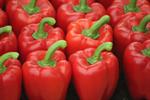 Commercial growing is obviously different in that you are growing on a much larger scale; but there are other differences too. Things that you might tolerate when growing vegetables at home, may result in financial failure in a commercial situation. For any commercial operation to be successful, the quality and quantity of produce must be optimised and the timing and cost of production must be well managed; for example:
- Crops that take too ling to produce will cost you money.
- Crops that are damaged too much by pests or diseases may not bring as high a price at market.
- Crop losses due to pest and disease can reduce the quantity that is sold, hence profitability
- The way you harvest crops and how you treat them after picking can also impact on profit
General Guidelines to Control Pest and Disease Problems
- Monitor your crops: weekly inspections for symptoms of pests and diseases, means you can control problems through early intervention.
- Ensure plants are growing in fertile, well drained soil, with constant, but not excessive, moisture in the soil. Do not work wet soils as this will damage soil structure.
- Hygiene: destroy infected plants (burning works. If you compost them, don’t use the compost on related plant species that share similar pests). If an infestation is severe or widespread throughout the crop, then it will be best to remove and destroy the crop immediately. Don’t work plants in wet conditions – bacterial leaf spot can be spread through water droplets and also through contact as you work from one plant to the next.
- Use resistant varieties (check plant breeder and seed supplier information against any cultivars you are considering growing).
- Buy seed from a reputable supplier; make sure that the seed has been tested for certain diseases e.g. bacterial spot, or treat seed with hot water (eg. with capsicum, 50 °C for 30 minutes) to destroy this pathogen.
- Provide the right amount of fertiliser during the growing season – plants with reduced access to the right amount of nitrogen tend to be prone to diseases.
- Do not allow plants to self-sow; if they have, remove all seedlings that are self-sown to prevent spread and protect next year’s plantings.
- Control weeds: weeds can harbour pests and diseases and transfer then to the crop -especially those in the same plant family.
- Practice crop rotation: 3 years is a typical crop rotation; this means it is less likely that you will build-up a disease and pest problem. Make sure that you do not grow plants from the same family in that position (or together). eg. capsicums potatoes, eggplant (aubergine) and tomatoes are all in the same plant family. Plant tall plants such as corn between the rotation beds, so new beds are separated from the previous year’s plantings by a tall crop.
- Disinfect all equipment used after use – especially if you have used it to remove an infected crop. You don’t want to spread it to other areas that may be clean.
- Refer to advice from any pesticide suppliers for the latest recommendations. The natural and chemical controls that are both recommended and available are different in different places; and also keep changing the method you use. The only real way of getting the best and most up to date advice on products to use, is to consult people who supply products. Some problems may also be addressed using biological control.
Why Study with ACS?
Design your own learning pathway.
Study at your own pace, from anywhere, at any time.
Receive prompt, expert support from our team of committed and friendly tutors.
Your learning is our priority. We are flexible and adaptable to meet your educational needs!
Enrolling is easy - just go to the top of this page and select your study method and payment option.
If you have any questions about studying with ACS, or want to know more about any of our courses, get in touch with our specialist tutors today. They will be happy to answer your questions and look at different study options to fit in with your goals