Develop More Advanced Knowledge for Managing Nature Parks
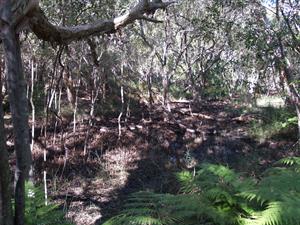 Learn to better manage the use of natural landscapes, from animal reserves, to forests and foreshores. Understand more about providing visitor services and amenities; and maintain the integrity of the environment at the same time.
COURSE STRUCTURE
There are 10 lessons as follows:
1. Natural Environments – preserving natural environments; plant associations and environment rehabilitation
2. Recreation and the Environment – impact of recreation on natural environments
3. Wildlife Management in Nature Parks – impact of park visitors on wildlife; managing wildlife
4. Visitor Amenities in Nature Parks – design; provision of visitor amenities including picnic areas and campgrounds; management of facilities
5. Park Interpretation – interpretative facilities including signs and education programs
6. Trail Design and Construction – designing access routes in parks; designing and constructing walking tracks
7. Water Areas – conserving and managing natural water bodies in nature park; impact of humans on water areas
8. Marketing Nature Parks – strategies used to promote nature parks
9. Risk Management I – identifying, minimising and managing natural hazards; safety issues
10. Risk Management II – preparing a risk management plan
Each lesson culminates in an assignment which is submitted to the school, marked by the school's tutors and returned to you with any relevant suggestions, comments, and if necessary, extra reading.
PLANT COLLECTION
For each lesson you will find five different plants, press (ie: preserve) a small piece of the plant ideally including a flower, identify it (include genus and species name where possible), attach the pressed specimen to a sheet of paper and write it's name and a brief description/commentary on that plant beside the pressing.
You should include details on its cultural requirements ie: feeding, watering etc, its uses ie: windbreak, flowers, shade etc, its propagation specifications, any common pests and diseases, etc.
WHAT THE COURSE COVERS
You will learn a wide variety of things, through a combination of reading, interacting with tutors, undertaking research and practical tasks, and watching videos. Here are just some of the things you will be doing:
- Explain how by changing drainage patterns man can damage a natural environment? Consider both urban and rural areas.
- Why would you plant trees several years before planting lower plants in an area you are attempting to return to natural bush?
- How would you go about rehabilitating or establishing an area?
- Present your notes and sketches from a study of natural rock areas.
- Present photos or sketches of rockeries you have inspected.
- In what situations would you be likely to create rockeries in a wildlife enclosure? Why?
- Prepare a list of 30 indigenous plants stating how you would propagate them and why you would use that method in preference to others.
- Prepare a table of at least 20 different recreation activities that you may be familiar with that indicates how compatible these activities are with each other.
- Design a magazine or newspaper advertisement to promote a park you visited.
- Name a nature park which you know of through their marketing, though you have never visited it. What aspect(s) of their marketing have made you aware of this park?
- Describe step by step everything you need to do to grow a large tree from seed into a healthy plant over a ten year period.
- Select 25 different species of trees which you have details about and write a description and notes for each of these species.
- Write descriptions for six different species of large shrubs which will grow successfully in your locality.
- What are the principle uses of the Proteaceae and leguminous plants as you see them in a park situation.
- Make up a list of at least Myrtaceae species which will grow well in your locality.
- Draw a concept plan for the development of a wildlife park.
- Draw a detailed plan for the construction of an animal enclosure.
- Design a picnic area.
- Submit the drawing (or photo) of the picnic area you looked at with your comments on the design of that facility.
- Design a piece of park furniture and prepare a costing for the production of the item.
- List six different types of park furniture you looked at.
- Collect catalogues from lawn seed suppliers, instant lawn companies etc.
- Contact several quarries in your area. Collect samples of the materials they supply.
- Contact artificial turf companies and make up a list of materials available.
- Find three examples of poorselection of surfaces in a landscape.
- List freshwater and saltwater animals that can be farmed under aquaculture management in your locality.
- Design a water feature of your choice.
- Compare the alternative methods of sign production to show the differences between methods with respect to cost, durability, the situations where it would be appropriate or inappropriate to use each type.
- Design a sign which will enable visitors to distinguish between the different animals in an enclosure.
- Write a short piece of literature for children which relates what you can observe in an enclosure.
- Suggest a supervised activity for children which could be used in a wildlife park during school holidays.
- Design a trail.
Learn to Manage Biodiversity
Biodiversity is the foundation of a healthy ecosystem and is a core aim for any nature park manager. Sustainable landscapes are "biodiverse"
Wherever human beings become involved with land use or management, biodiversity is likely to be compromised e.g. by creating monocultures where acres and acres of a single crop is grown and chemical fertilisers and pesticides are used, which eventually kill both the beneficial insects along with the troublesome insects and also the microbial soil life – this is very common in modern agriculture.
Plants that you choose for any managed landscape, natural or otherwise, should contribute to maintaining or improving biodiversity; as well as encouraging a stable, sustainable and resilient system. Any fertilisers you use should encourage soil life. Any pest control you use should only be considered as a way of bringing animal populations into balance, or eliminating animals that are impacting on the natural balance of the site.
Biodiversity through planting can only be achieved when your choice and positioning of plants is well informed and carefully selected.
Anything you introduce to a landscape will have an impact upon the plants and animals that already exist on that site. Tall trees will create shade, new species or even cultivars of the same species, may attract insects, birds and other animals that might not have been attracted previously to that site. Any additional plant will produce roots that compete with existing vegetation (and perhaps weeds).
Biodiversity aids in the control of pests (encouraging certain insects to control others that are not desirable), it also key in nutrient cycling (through composting for example or the addition of manures). However you should be diverse in your planting within different sectors, otherwise you may be just creating several zones with a potential of being just one step above that of a monoculture. As a simple example: in a forest needs areas with low light and other areas with more light (eg. clearings), and different combinations of species will grow in those different locations.
The list of interactions is great, and understanding such interactions is all part of why studying this course can help you to better manage natural landscapes.
Careers in Rural or Natural Landscapes
Qualifications are essential for furthering your career in Environmental Science, however there are many other things you can do to get ahead. These include:
- experience tips - unpaid or paid, experience is highly valued by future employers.
- networking tips - become a member of relevant environmental networking groups and join website groups related to your field.
- membership - become a member of relevant groups in your field eg. the Mammal Society or Bird Observer Clubs. This is another way to demonstrate your commitment to your career.
Why Study with ACS?
Design your own learning pathway.
Study at your own pace, from anywhere, at any time.
Receive prompt, expert support from our team of committed and friendly tutors.
Your learning is our priority. We are flexible and adaptable to meet your educational needs!
Enrolling is easy - just go to the top of this page and select your study method and payment option.
If you have any questions about studying with ACS, or want to know more about any of our courses, get in touch with our specialist tutors today. They will be happy to answer your questions and look at different study options to fit in with your goals.