Managing animals in their natural environment is essential for their survival today!
This course  provides you with comprehensive insight into wildlife management. Over the course of nine lessons, you will work through the course with helpful and experienced support from our highly qualified tutors.
This course provides you knowledge and information that is useful for a career working with wildlife.
Start Date
You can start at a time to suit YOU.
Duration
The course requires 100 hours of study. How long this takes will depend on you and how much time you have available for studying. If you could study for ten hours per week, then you could complete the course in ten weeks, for example.
COURSE STRUCTURE
There are 9 lessons as follows:
1. Introduction to Wildlife Management
- What is Wildlife Management
- Approaches to Wildlife Management (Preservation, Conservation, Management)
- Purpose of Wildlife Management
- Goals
- Decision Making (Who makes decisions, Making good decisions)
- Needs of Wildlife
- What’s a Good Habitat
- Limiting factor
- Carrying capacity
- Landscape Fragmentation
- Habitat Diversity
- Arrangement
- Biological Control
- Integrated Pest Management
2. Wildlife Ecology
- Ecology (Mutualism, Commensalisms, Competition, Predation, parasitism, herbivore)
- Behavioural Ecology
- Population Ecology
- Community Ecology
- Ecosystem Ecology
- Interactions within a Community
- Competition
- Predation
- Parasitism
- Commensalism
- Mutualism
- The Food Web (Detrital Web, Grazing Web, Trophic Levels)
- Energy Flow
- Imbalances
 3. Wildlife Habitats
- Introduction
- Classification of Habitats
- Biomes, Ecosystems, Microclimates
- Timbered Biomes (Boreal Forest/ Taiga, Temperate Forest, Tropical Forest, Woodland)
- Scrubland
- Tropical Savannah
- Temperate Grassland
- Arctic Tundra
- Alpine
- Semi-desert
- Desert
- Man Made Biomes (Urban, Agricultural)
- Wet Biomes (Mangrove, Rivers, Benthos, Pelagic, Continental Shelf, Coral Reef,
- Animal Use of Features in Biomes (Trees, Logs, Surface Rocks and Ground Cover, Creeks, Wetlands and Dams)
- Case Studies
- Changes to Habitats (Physical, Biological, Pollution)
- Water for Wildlife
- Site Water Points
- Managing Trees
- Deforestation
- Afforestation
4. Population Dynamics
- Populations
- Birth or Fecundity Rate
- Death or Mortality Rate
- Growth Rate
- Life Tables
- Cohort or Dynamic Life Tables (Age Specific)
- Static or Time Specific Life Tables
- Rodents
- Squirrels
- Rabbits
- Mosquitoes
- Grasshoppers
- Case Studies of different animals in different countries
 5. Carrying Capacity
- Introduction
- Exponential Population Growth
- What is Carrying Capacity
- Fisheries stock management (stock Identification, assessment, biomass)
- Stock Management Methods
6. Wildlife Censuses
- Introduction and census types
- Total Counts
- Sampling (Simple Random, Stratified Random, Systemic, Two Stage, Double sampling)
- Accuracy vs Precision
- Bias Errors
- Aerial Surveys
- Trapping
- Transects
- Indirect Methods
- Mark-Recapture method
- Roadside and Call Counts
- Mapping
- Sampling methods for specific types of animals (ie. Fish, Amphibians, Reptiles, Birds, Invertebrates, Mammals etc.)
- Animal Ethics
- Case Study
7. Wildlife Management Techniques
- Habitat Modification
- Fire
- Vegetation Management
- Predator Control
- Habitat Features
- Seeding
- Population Monitoring
- Captive Breeding and Release
- Culling and Cropping
- Control of pest or undesirable wildlife species
- Control Objectives
- Effects of Control
- Control Techniques (Manipulating mortality, fertility, Genetic Engineering, indirect methods)
8. Wildlife Management Law and Administration
- Policy and Wildlife Law
- International Environmental Law
- Treaties
- International Customary Laws
- Hard vs Soft Law
- Domestic/National Law
- Evolving Domestic Law
- Sources of Legislation
- Environmental Ethics
- Enforcement
9. Wildlife Management Case Study Research Project
Students will complete a problem based learning project in their final lesson. Aims of the practical activity and assignment outcome include:
- Identify the objectives of a management program for an endangered species.
- Determine appropriate techniques for carrying out a census of an endangered species.
- Identify techniques for increasing the population of the endangered species.
- Identify pest species and their undesirable effect on the endangered species of bird.
- Identify techniques for reducing the undesirable impacts of the pest species on the endangered bird.
- Present a management plan in a form that is appropriate for use by wildlife worker.
COURSE AIMS
On successful completion of the course, students should be able to do the following:
- Develop a concept of how man manages wildlife populations in different situations around the world.
- Understand and discuss the principles of wildlife ecology.
- Understand wildlife habitats and their importance to managing wildlife.
- Explain how populations of any one species change and adapt to variations in their environment.
- Understand carrying capacity and its importance in managing wildlife populations.
- Explain a range of different methods used to determine the number of individuals in a wildlife population.
- Discuss a range of different wildlife management techniques.
- Explain potentials and limitations of legal and administrative initiatives, in the pursuance of more effective wildlife management.
- Examine a specific wildlife management case of interest to the student.
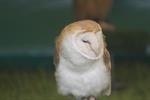
The Barn Owl (Tyto alba) and its habitat requirements in the United Kingdom
The current Barn Owl population in the UK is thought to be around 4000 pairs. The population has been significantly reduced since the late 1800s with the mechanisation of farm machinery and increase in human population size leading to more intensive land development. These factors, along with the use of pesticides such as DDTs and rodenticides have led to the significant reduction in population numbers.
The preferred prey species of the Barn Owl is the field vole (Microtus agrestis), but they also prey on shrews and field mice. The presence and quantity of these species will determine the quality of habitat for Barn Owls which is generally open habitat with a good litter layer such as rough grassland, hedgerows, woodland fringes, drainage ditches and agricultural land.
The hunting area of a pair of Barn Owls is usually around ½ mile during the breeding season and 2 miles in winter (due to the reduced amount of prey available). This will translate to an area of around 14-21 hectares in arable farming land and up to 31-47 hectares in pastoral areas.
Owl pairs will generally require 1 breeding site and 1-2 permanent roosting sites, along with other opportunistic roosting sites. They can use man-made structures such as barns, sheds and churches for nesting and roosting. Barn Owls are sedentary by nature, so once they have established a home range they are unlikely to leave it.
The need for breeding and roosting sites and hunting grounds which are rich in prey are a limiting factor to the survival of the Barn Owls. If Barn Owls have access to good habitat they are more likely to survive the less hospitable winter, lay more eggs in the spring and the survival chances of young will increase. Sadly, the reverse will occur in poor habitat.
Why Study with ACS?
Design your own learning pathway.
Study at your own pace, from anywhere, at any time.
Receive prompt, expert support from our team of committed and friendly tutors.
Your learning is our priority. We are flexible and adaptable to meet your educational needs!
Enrolling is easy - just go to the top of this page and select your study method and payment option.
If you have any questions about studying with ACS, or want to know more about any of our courses, get in touch with our specialist tutors today. They will be happy to answer your questions and look at different study options to fit in with your goals.