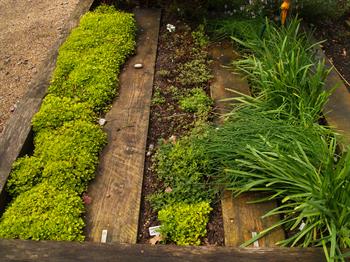
Learn about Herbs
Whatever drives you, work or passion, developing a business or building a career; this course can make a difference for you.
Learn about Production, Marketing and Supply of all Types of Herb Products
Comment from a Student: "This is the first correspondence course I have done and I have thoroughly enjoyed it and I just wanted to say a big THANK YOU. I appreciate everyone's effort in such a professionally-run organisation with seamless administration. The office staff's happy can-do attitude, their fast responses to all queries, tutor Shane Gould's quick turnaround in assignment marking and his supportive and motivational feedback and last but not least, the sound subject guides. Most importantly I hope my thanks and appreciation can be communicated to all the staff who have supported me long the way of my learning! I work full time and study on the weekend but really don't stop thinking about what gardening solution I need in order to answer my assignments every day of the week. Thank you for such a great learning experience and I cant wait to start the second half of my course!!" - Skye
COURSE STRUCTURE
This course is divided into twelve units, each comprising of one or more lessons.
Unit 1:
1. Introduction and Herb Identification
2. Culture (Soil, mulch, planting, feeding etc)
3. Propagation (Seed, cuttings, division etc.)
4. Plant Health
 Unit 2:
5. Processing And Using Herb Products
6. Harvesting and Storage
Unit 3:
7. The Mints (Mentha species)
8. Lavenders and Thymes
9. Other Lamiaceae Family Herbs (For example, Sage, Balm)
Unit 4:
10. The Artemisias
11. Compositae (Asteraceae) - The Daisy Herbs
Unit 5:
12. Umbelliferae Herbs (Apiaceae) - The Parsley Family
Unit 6:
13. Onion Herbs (Liliaceae) - (For example, Chives, Aloe vera)
14. Garlic
Unit 7:
15. Rosaceae Herbs (For example, Rose & Strawberry)
16. Miscellaneous Herbs
17. Scented Geraniums
18. Native Herbs (For example, Boronia, Tea Tree)
Unit 8:
19. Companion Planting
20. Natural Pest Control
 Unit 9:
21. Designing Herb Gardens
22. Home Herb Gardens
23. Public Landscaping With Herbs
Unit 10:
24. Herb Nursery Management
Unit 11:
25. Herb Farming
Unit 12:
26. Herb Enterprises
Duration: 100 hours (study at your own pace)
COURSE AIMS
- Differentiate between different varieties of herbs in cultivation.
- Explain the general cultural practices used for the growing of herbs.
- Determine harvest and post harvest techniques for herb crops, including processing, storage and use of herbs.
- Develop a production plan for a herb crop grown for harvesting.
- Develop a production plan for a herb nursery.
- Design a herb garden for a home or public garden.
- Evaluate the production of herbs or herb products in a commercial business.
WHAT YOU WILL DO IN THIS COURSE
- With illustrations and minimum comments, distinguish between major plant families which herbs belong to.
- Compile a resource file of fifty different sources of information regarding cultivated herbs.
- Prepare an herbarium collection of one hundred different herb varieties.
- Develop guidelines for the general culture of herbs in your locality.
- Explain different propagation methods suitable for herbs, using illustrations.
- Demonstrate how to prepare cuttings for different herb varieties.
- Propagate different varieties of commercially farmed herbs, using appropriate, but different propagation techniques for each.
- Explain natural pest and disease control methods for a specified herb species.
- Explain the concept of companion planting, including three examples of proven companion planting interrelationships.
- Write a maintenance schedule for either a herb garden, nursery or farm.
- Describe different harvesting techniques for herbs, by outlining the steps to follow for each.
- Determine criteria which are critical to success in the process of drying herbs.
- Compare different drying processes for herbs, with reference to: *equipment used *procedure *cost.
- -Produce two marketable herb products by harvesting, and processing material from a herb plant.
- Prepare different herbal products for home use.
- Estimate the costs associated with processing four different herbs to a marketable stage, itemising the components of costs for each.
- Determine different species of herbs which have potential to be grown commercially as broad acre crops.
- Describe the process of producing a specified commercial herb crop being grown organically.
 Describe the process of producing a commercial herb crop being grown hydroponically.
- Compare broad-acre production methods, used for three different herbs, including: *propagation *planting *crop management *harvesting *post-harvest processing; by constructing a table or chart.
- Design a simple trial, to test the commercial potential of different varieties of a specific herb species.
- Conduct the simple trial you designed recording details of tasks undertaken.
- Analyse the results of the trial conducted to test the performance of a herb plants.
- Determine the variety with greatest commercial potential from those trialled.
- Prepare flow-sheet broad acre crop production schedules for four herbs; one each from Allium, Apiaceae, Asteraceae, Lamiaceae groups.
- Determine minimum facilities required to produce saleable plants in a specified herb nursery.
- Prepare a potting media suitable for growing a container herb plant of a specified species, as nursery stock.
- Describe the procedures used in a commercial herb nursery, to produce plants for sale.
- Differentiate between the procedures used for production of different products in a herb nursery, including: *Punnets of seedling herbs *Bare rooted plants *Standard container plants *Hanging baskets *Topiary.
- Grow a herb plant to a commercially acceptable standard, as a tubestock container plant, through all stages of production, without supervision.
- Prepare production schedules for herbs from different minor herb groups, for a specified nursery.
- Explain the use of general landscape principles and practices in the designs of two different herb gardens.
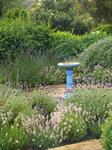 Determine different applications for herbs in home gardens.
- Determine applications for herbs in public landscaping, referring to both difficulties and advantages in different situations.
- Design for a herb garden for a site of between 30 and 100 square metres surveyed by you, preparing a scale drawing showing the placement of at least 20 different varieties of herbs.
- Explain the reasoning behind the herb garden designed.
- Determine critical factors to establishing a new herb business, in the learners locality.
- Analyse the business operations of a specified herb enterprise.
- Assess market demand for a herbal product, through a phone survey and information search.
- Compare the commercial potential of different types of herb enterprises, in your locality.
How Significant is the Herb Industry?
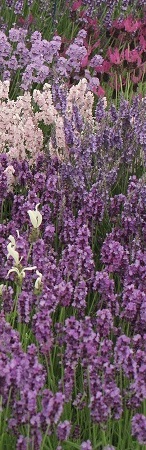 If you think the herb industry is only about plants you buy to grow in your garden, products you use to flavour your food and some nice smelling things you use yo make perfumes and soaps -think again!
Herbs are used by most people, in most places around the world, every day of their life; and a lot of the time, when you use herbs, you don't even realize you are using them.
The herb industry grows, manufactures and supplies a huge range of chemical extracts, that are important components in every day products, from medicines to toothpastes and confectionary to cleaning fluids.
Lavender, garlic, mint, and many other common and uncommon herbs are cultivated on both small scale and large scale properties across many countries.
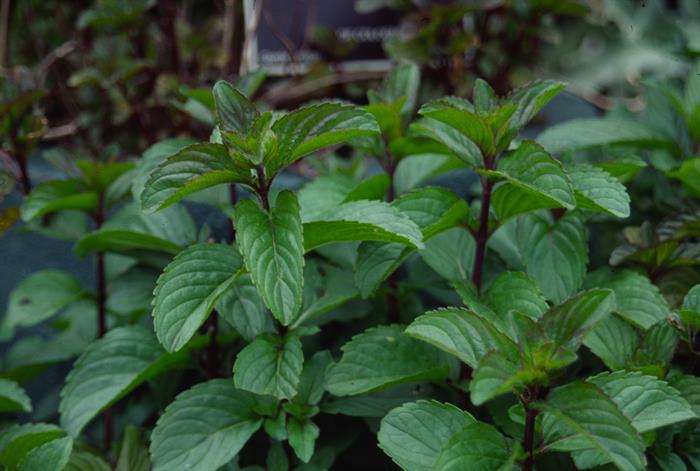
Consider Mint
There are hundreds of different mint cultivars. Some are used generally in confectionary, toothpaste, or as a pharmaceutical flavouring. Others in pot-pourri, cooking, teas and also therapeutically in medicines and aromatherapy oils. Mints may be used in some places, as an alternative treatment respiratory complaints, or for irritable bowel syndrome to relax colonic spasms and may be of use to relax an over-tight lower oesophageal sphincter.
Most mints prefer moderately rich, damp soils and if given moisture will grow well in full sun however even though it will produce more leaves growing in full sun, a partially shaded position is also acceptable.
Grown in the garden mint is best restricted to pots or encircled by root barriers, as it spreads rapidly by underground stems and runners it could under favourable conditions overtake a large area.
Mint is grown commercially for its oil and very widely as a tea.
The most commonly grown mint for tea and essential oil is Mentha X peperita – black peppermint. There is a reasonably good demand for this herb as a dried, high quality product. When growing peppermint a mild climate will produce a vigorous plant with higher oil content as compared to plants grown in semi-tropical areas, however it will tolerate quite hot and windy conditions as long as it is well watered. Unlike some species (eg. pennyroyal), peppermint will not tolerate water logging so good drainage is essential. It also needs a very fertile soil with large amounts of compost added on a regular basis.
Developing a Business or Career with Herbs
The things that you learn through this course will provide a wonderful foundation for growing your knowledge and experience with all types of herbs. It will improve your capacity to grow herbs better; and will open your eyes to possibilities that you may not have considered for working with herbs.
Some graduates move on to start their own herb nursery, or farm; others find work elsewhere or follow their passion in some other way.
This course is suitable for different people including:
- Farmers
- Herb farmers
- Nursery growers
- Market gardeners
- Entrepreneurs
- Anyone interested in setting up a herb business
Enrol with us to take you first step towards becoming a herb expert.
Duration: 100 hours (study at your own pace)
COURSE AIMS
- Differentiate between different varieties of herbs in cultivation.
- Explain the general cultural practices used for the growing of herbs.
- Determine harvest and post harvest techniques for herb crops, including processing, storage and use of herbs.
- Develop a production plan for a herb crop grown for harvesting.
- Develop a production plan for a herb nursery.
- Design a herb garden for a home or public garden.
- Evaluate the production of herbs or herb products in a commercial business.
Duration: 100 hours (study at your own pace)
COURSE AIMS
- Differentiate between different varieties of herbs in cultivation.
- Explain the general cultural practices used for the growing of herbs.
- Determine harvest and post harvest techniques for herb crops, including processing, storage and use of herbs.
- Develop a production plan for a herb crop grown for harvesting.
- Develop a production plan for a herb nursery.
- Design a herb garden for a home or public garden.
- Evaluate the production of herbs or herb products in a commercial business.
WHAT NEXT?
If you have any questions about the course, our horticulture tutors are happy to help.
CLICK TO CONTACT US