COURSE STRUCTURE AND CONTENT
There are 8 lessons in this course:
1. Basic Plant Identification & Culture
- Plant names-common and scientific
- Recognising groupings of plants into families and genera
- Planting
- Understanding cold in the garden
- Protecting new plantings
- Different potting needs
- Hanging baskets
- How to select the most appropriate plant
- Transplanting from pots
- Basic planting procedure
- Best time to plant
- Planting bare rooted plants
- Mulching
- Tools & equipment.
- How to cut with secateurs
- Aims of pruning
- Pruning terminology
- When to prune
- Pruning methods
- Pruning in the home orchard
- Review of 16 different plants
2. Soils & Nutrition
- Soil texture and structure
- Different soils for different purposes
- Terminology
- Water, air, temperature of soil
- Nutrient elements
- Nitrogen, phosphorus, potassium, magnesium, calcium, sulphur
- Minor elements
- Deficiencies and toxicities
- Feeding plants
- Factors affecting fertiliser application
- Organic fertilisers; manures, rock dusts, seaweed
- Ways to apply fertiliser
- Soil chemical properties
- Soil building
- Improving texture, fertility, etc
- Total salts
- Acidity and alkalinity
- Composting
- Drainage
- Review of sixteen different plants
3. Pests & Weeds
- Identifying problems
- Preventative measures
- Types of problems -parasitic and non parasitic, pest, disease, environmental etc
- Chemical vs natural controls
- Common problems and treatments used for them, both natural and chemical
- Safety with chemicals
- Plants to improve soils -cover crops
- Biological control
- Weed identification
- Types of weeds
- Types of weed problems
- Weed control methods
- Review of 16 different plants
4. Landscaping
- Types of gardens -formal, informal, natural
- Cottage gardens, Mediterranean, Japanese, naturalistic, permaculture
- History of Gardening
- Design principles or concepts -line, texture, colour, balance etc.
- Using paving, stone, gravel, etc
- Selecting landscape materials
- Moving earth
- Using timber
- Rockeries
- Drainage -surface and sub surface
- Designing a home garden, step by step, through to drawing the plan
- Creating user friendly gardens
- How to use colour
- Creating a natural style
- How to use plants
- How to create a garden room
- Native gardens
- Traditional (European style) home gardens.
- Hedges and Mazes
- Review of 16 different plants
5. Propagation
- Methods -asexual and sexual
- Equipment, cold frames
- Seed treatments -acid digestion, stratification, scarification, etc
- Soils, soil mixes, propagating media
- UC mixes
- ph
- Types of media and components -rock, stone, synthetic, organic, soil
- Growing plants from seed
- Hygiene
- How to sow into containers
- Germination
- Pricking out seedlings
- Cutting propagation
- Types of cuttings, hardwood, softwood, herbaceous, nodal, tip, etc
- Cutting treatments -hormones, wounding etc
- Managing parent plants
- Cutting propagation for a range of specific plant genera
- Setting out cuttings
- Potting on cuttings
- Review of 16 different plants
6. Lawns
- Value of lawns
- Lawn shape and design
- Ways of establishment -seeding, Laying sod, rough mowing
- Laying a new lawn
- Turf grass varieties -couch, fescue, rye, bent, Kentucky Blue Grass
- Lawn problems -nutritional, environmental, pest, disease, weeds
- Lawn renovation -topdressing, dethatching, aeration, etc
- Turf maintenance practices -rolling, spiking, slicing, drilling, etc
- Watering lawns
- Review of 16 different plants
7. Indoor Gardening
- Why some indoor plants do not perform
- Caring for plants -growth rates, dormancy
- General rules to follow
- Choosing the right pot or container
- Hydroponics
- Bonsai
- Greenhouses
- Shade houses
- Heaters
- Other ways to grow plants -epiphytes, terrariums, water gardens
- Selecting indoor plants for different light and other conditions
- Hardy indoor plants
- How to maintain indoor plants in pots
- Problems with potted plants and solutions
- Groups or types of indoor plants -foliage, flowering etc
- Review of 16 different plants
8. The Kitchen Garden
- Getting started
- Choosing what to grow
- Planning a cropping program
- Getting the best from a Vegetable plot
- Crop rotation
- Use disease resistant varieties
- Timing
- Special techniques -green manures, no dig beds, raised beds
- Minimising water use
- Making compost
- Varieties and seeds
- Raising and transplanting seedlings
- Directory/review of how to grow most common vegetables (this is an extensive study)
- Harvesting
- Establishing a home orchard
- Deciduous Fruit trees
- Pollination needs
- Review of common temperate and sub tropical fruits from grapes to mangoes and apples to citrus
- Nuts -review of most common types
- Berry Fruits -review of most common types
- Using excess harvest -preserves etc
- Herb cultivation
- Review of most common herbs
- Harvesting herbs
- Designing a culinary herb garden
- Companion planting
- Using herbs -garnishes, soups, pot-pourri, etc
- Poisonous plants
- Cultivating annual flowers
- Review of 16 different plants
Each lesson culminates in an assignment which is submitted to the school, marked by the school's tutors and returned to you with any relevant suggestions, comments, and if necessary, extra reading.
AIMS
-
Identify plant health problems and know treatments.
-
Know the plant naming system and how plants are classified.
-
Understand the effect of soil structure and texture on plant growth.
-
Understand plant terminology and planting methods.
-
Understand plant pruning requirements and methods
-
Know plant nutrition requirement.
-
Understand soil conditions and when they require improvement.
-
Recognise a range of pests and diseases and the methods of control.
-
Recognise a range of weeds and know various control methods.
-
Know a range of garden styles and the history behind them.
-
Have knowledge of landscape construction techniques.
-
Understand the elements and processes of landscape design.
-
Understand various propagating techniques.
-
Propagate plants by various methods.
-
Understand the soil preparation and requirements to establish or renovate a lawn.
-
Know lawn maintenance requirements.
-
Understand requirements, including environmental and nutritional aspects of growing plants indoors (including hydroponics and greenhouses).
-
Know how to select plants suited to growth indoors.
-
Develop knowledge of vegetable growing procedures and requirements.
-
Have knowledge of a range of fruits and berries suited to the home garden.
-
Have knowledge of a range of commonly grown herbs and flowers.
WHAT WILL YOU DO IN THIS COURSE?
Here is just some of what you will do:
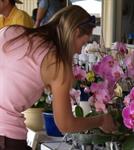 Read notes written and supplied by staff of this school Read notes written and supplied by staff of this school- Watch instructional videos
- Test and name different soils
- Mix inexpensive potting mixes
- Make compost and explain how you made it.
- Learn how to identify plants effectively.
- Explain step by step how you would go about planting shrubs in your own locality.
- Explain how to transplant and transport plants from one property to another.
- Determine the tools required to do gardening for a property, using a limited supply of money.
- Explain characteristics of soil, including: Soil Structure, pH and Nutrient Deficiency
- Describe how to fertilize a lawn
- Explain how to improve drainage in a soil that is too wet for plants to do well in.
- Explain how you would improve a specified soil
- Identify a nutrient deficiency
- Observe and identify different categories of pest and disease problems in growing plants.
- Compile a weed collection with pressings or illustrations of different weeds
- Compile a plant collection with pressings or illustrations of different weeds
- Describe how environmental problems affect plants
- Recommend ways of controlling different types of problems in plants, using both natural and chemical.
- Observe and evaluate different types of gardens.
- Survey a garden in order to prepare a garden design.
- Apply a systematic procedure to landscape design, in order to produce a concept plan for a garden.
- Explain mistakes have you observe in the design and construction of different rockeries
- Build a simple cold frame and use it to propagate plants.
- Prepare propagating mix which would be suitable for striking most types of cuttings.
- Propagate different plants from cuttings.
- Prepare a plan for sowing annual flower seedlings over a 12 month period.
- Evaluate and explain a lawn seed mix from the packaging of that mix
- Observe different lawns and recommend their treatment
- Explain how to establish a lawn
- Observe and evaluate the condition of different indoor plants.
- Recommend the treatment of different indoor plants.
- Prepare lists of indoor plants for different applications.
- Find an indoor plant which needs potting up & pot it up.
- Plant a vegetable patch.
- List fruit, nuts & berries most suited for growing in your locality
- Observe the way in which herbs are used commercially (eg. in medicine, cooking etc)
- Explain why crop rotation is used in growing vegetables?
Tips for Better Water Use
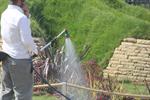 Water is a precious commodity. In fact, it is becoming more precious than ever before. Gone are the days when you could stand there watering your plants with your hose on full bore and not be overcome with guilt. To do this nowadays would be to incur the wrath of any conscientious citizen, never mind the expense. Water is a precious commodity. In fact, it is becoming more precious than ever before. Gone are the days when you could stand there watering your plants with your hose on full bore and not be overcome with guilt. To do this nowadays would be to incur the wrath of any conscientious citizen, never mind the expense.
Water bills can be painfully high, water restrictions can limit usage, and building more dams is not only expensive but it can destroy native landscapes and severely affect the distribution of endangered species.
Sustainable water management isn’t only about us collecting our own water and cutting down on what we use from the mains supply; it is also concerned with when and how we use it, and getting the best value from what we use.
Reduce What You Use
We can’t reduce the amount of water we drink, but we can share bath water or take shorter showers. We can turn off the tap when brushing our teeth and be sensitive to how long we leave a tap turned on whenever we use it. We can also all use less water to achieve the same thing in our gardens. For example, water gardens and swimming pools can lose a lot of water through evaporation which can be easily reduced:
- Fountains and waterfalls increase evaporation - so turn them off!
- Heated water evaporates faster - so turn the solar heater down or off!
- Wind increases evaporation – use windbreaks!
- Direct sunlight increases evaporation (also promotes algal growth) - so shade the pool! Use a pool blanket.
Apply Water the Best Way
- Don't have sprinklers set up to water indiscriminately - target specific plants.
- Use drip irrigation rather than sprinklers.
- Don’t use fine mist settings on hand held hoses - mist blows away in the wind and evaporates.
- Don't use mist sprinklers – they also waste water.
- Water close to the ground - water travels further and longer in the air and can be blown off target or evaporate.
- Keep water off plant foliage - wet leaves can promote fungal diseases, and also roots absorb more water than leaves.
- Try not to waste water by inadvertently watering walls, pathways, decks and the like.
The Time Factor
Time plays a pivotal role in water usage.
- Time of day - watering in the cool of the evening in summer means less water is lost by transpiration from plants and through evaporation from soil.
- Length of time – don't over water plants. Learn to observe plant leaves for wilting and test soil moisture. Never assume you need to water.
- Timing - there may be little sense watering plants if there has been a heavy downfall the day before. Turn off automatic irrigation systems if they are set to come on.
- Adjust to the temperature – you don’t simply water more on a hot day, you water more when the plants need it. That may or may not be a hot day.
- Adjust to the weather - don’t water when it is windy.
- Use automatic systems properly - set watering times and days to suit the seasons. Don't just leave them the same throughout the year.
- Install a rain sensor - these are a great addition to automatic irrigation systems. They will turn them off during periods of rain.
- Rate of flow - apply a small flow of water over a longer period. It soaks in deeper and spreads out less.
Make Your Soil Water-Friendly
Some soils repel water, some absorb and hold a lot of water in reserve; but others only hold small amounts. Water can be lost by running off the surface of hard clay soils and it can escape by rapidly draining through sandy soils. Soils with greasy organic particles can repel water much like greaseproof paper, but the right type of decomposed organic particles will act like a sponge allowing the soil to soak up lots of water and hold it. These soils don’t need to be watered as often, and they don’t waste water as much.
Another option is to add water crystals to the soil. These are particularly useful in containers. Crystals absorb water and release it slowly over a long period of time, so if you forget to water or go on holiday your plants have a better chance of survival. If you don't like the idea of crystals, wetting agents are a good alternative – they will rewet water repellent soils and allow them to absorb water. They are diluted and watered onto the soil and will last for around six months.
Here is what our Students have said:
"This is the first correspondence course I have done and I have
thoroughly enjoyed it and I just wanted to say a big THANK YOU. I
appreciate everyone's effort in such a professionally-run organisation
with seamless administration. The office staff's happy can-do attitude,
their fast responses to all queries, tutor Shane Gould's quick
turnaround in assignment marking and his supportive and motivational
feedback and last but not least, the sound subject guides. Most
importantly I hope my thanks and appreciation can be communicated to all
the staff who have supported me along the way of my learning! I work
full time and study on the weekend but really don't stop thinking about
what gardening solution I need in order to answer my assignments every
day of the week. Thank you for such a great learning experience and I
can't wait to start the second half of my course!!"
- Skye
"This is a great course for anyone interested in plants. There
is lots of information in each manual, and plenty of time to do each
lesson to give it your best shot. The manuals are really easy to
understand, and the lessons are set out clearly. My tutor is very nice,
and if need be, you can ring ACS for help. There are lots of avenues for
getting information. Students who really want to learn will always find
a way." Pauline Ross, Home Garden Expert
WHAT SETS ACS APART?
At ACS we provide you with more than just a set of course notes.
Your 'learning package' includes:
- Course notes.
- Self-assessment quizzes.
- Assignment feedback.
- You can interact one on one with a professional tutor with decades of experience - just email, phone or log on to chat to connect with them.
- Depending upon your course, your studies may involve independent research, interviews, practical exercises, assessments, Problem Based Learning projects, and more.
WHAT NEXT?
Register to Study - Go to “It’s Easy to Enrol” box at the top of the page and you can enrol now.
or
Get Advice – Email us at info@acsedu.co.uk OR
Use our FREE COUNSELLING SERVICE to contact a tutor
CLICK TO CONTACT US
|