 Learn to Design, Build and Maintain Different Water Gardens and Features
"Study the design and application of water features"
" I have never found the staff at any other learning institution as supportive as the staff at ACS. This gives one a lot of peace of mind and confidence to go on - at every squeak from my side, you guys have always been there, immediately to sort me out. The feedback on my lessons has always been really good and meaningful and an important source of my learning. Thanks!..."
- Student with ACS
COURSE STRUCTURE
There are 8 lessons in this course:
- Introduction
- Scope and nature of water gardens
- What size water garden
- Water supply: rain, tanks,etc
- Water quality
- Siting the water garden
- Evaporation rate, water depth, safety
- Water in garden design: formal, informal
- Edging, Water sculptures, shade
- Water effects: sound, reflection, movement, light, cooling,
- Water life: algae, fish, mosquitoes, wildlife, plants
- Water Garden Construction
- Introduction
- Planning the water garden
- What effect do you want
- Matching the effect with the type of garden
- Shape, size and location
- Type of construction
- Surrounds
- Using a liner
- Pre formed water gardens (Kits)
- Pond edges
- Equipment: Pumps, lights, filters
- Submersible pumps
- Lighting: power source, DC power
- Lighting design with water
- Pond filtration systems: sterile or living water
- Mechanical or biological filtration
- Swimming pool filtration
- Sand filters
- Diatomaceous earth filters
- Cartridge filters
- Ponds and Watercourses
- Designing a natural watercourse
- Siting a stream
- Water circulation
- Pond design
- Dams
- Bog gardens
- Reed beds
- Pond management
- Oxygenating plants
- Spas and Swimming Pools: Design and aftercare
- Choosing a swimming pool
- What sort of pool do you need
- Structural considerations
- Cost considerations
- Types of pools: concrete, fibreglass, vinyl
- Above or below ground
- Pump and filtration system
- What shape
- Special features in a pool
- Heating a pool
- Pool care over winter
- Indoor and Outdoor Water Features
- Introduction
- Pot ponds
- Water barrels
- Wall plaques and wall fountains
- Water walls
- Water spouts
- Bird baths
- Fountains
- Cobble fountain construction
- Waterfalls
- Cascades
- Canals
- Using water features in a landscape
- Water Plants
- Introduction
- Waterside trees and shrubs
- Bog plants
- Emergent water plants
- Floating leaf plants
- Aquatic plants
- Water lilies
- Plants to avoid in water gardens
- Surrounding plants
- Aquatic Animals
- Introduction
- Conditions needed by fish and aquatic animals
- Maintenance
- Fish
- Frogs
- Tortoises
- Water snails
- Insects
- Birds
- Troubleshooting
Each lesson culminates in an assignment which is submitted to the school, marked by the school's tutors and returned to you with any relevant suggestions, comments, and if necessary, extra reading.
AIMS
- Understand the nature and scope of water gardens.
- Identify and describe generic construction materials and techniques suitable for water gardens and pools.
- Select appropriate equipment for use with water features.
- Specify the design and construction of a pond or watercourse.
- Specify the design, construction and maintenance of a spa or swimming pool.
- Specify the design & construction of a Water Feature other than a pond or water course.
- Identity the water plants commonly used in water gardens.
- Identify a variety of aquatic animals suitable for water gardens, and their requirements
 WATER GARDENS
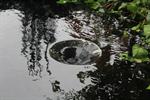
Water gardens add a new and unique dimension to gardens, and can be used in many different ways to create many different effects. Still water in a tranquil garden pond or pool creates a feeling of serenity and peace, while moving water in fountains, streams and small waterfalls gives a more dynamic feel to the garden, generating a sense of life, movement and sound.
Other uses of water gardens include:
- modifying the environment of the garden, providing a moist, cool micro-climate for tender plants, or providing welcome relief by lowering the temperature near the house or other garden areas on a hot day;
- attracting wildlife to your garden, particularly birds (you should be aware though that birds such as ducks can also mess up your pond or pool, eat your fish, and be quite noisy);
- providing a home for fish, frogs, water snails and other interesting aquatic creatures. These will help control mosquitoes and other annoying insects, and help keep the pool clean;
- adding interest in the garden by providing a contrast to other features in terms of texture, colour or form, and by providing a reflective surface that allows an ever-changing scene, as the sun moves, as clouds pass by, or the wind ripples the water surface;
- providing an opportunity to grow a range of interesting and attractive aquatic or waterside plants in the garden;
- providing a visual link between various parts of the garden;
- creating a physical barrier that prevents access to parts of a garden, or a physical link that direct or guides where people move.
The scale and style of water gardens is almost limitless, ranging from small courtyard wells or water sculptures, to tranquil backyard goldfish ponds, through to large fountains, dramatic cascades and large formal swimming pools.
Water gardens can be simple or complex, large or small, and in a huge variety of styles. Depending on the theme or style of the garden you might perhaps decide to have straight-edged or geometrical designs for a formal garden, smooth curved designs for a modern garden, or irregular-shaped designs for less formal and natural-style gardens. You might choose to have a single pond or a series of ponds with water cascading from one to another. As you work through this course and look at different styles of water gardens, you will find there are many possibilities, any of which will enhance your garden.
WHAT NEXT?
Register to Study - Go to “It’s Easy to Enrol” box at the top of the page and you can enrol now.
or
Get Advice – Email us at info@acsedu.co.uk OR
Use our FREE COUNSELLING SERVICE to contact a tutor
CLICK TO CONTACT US