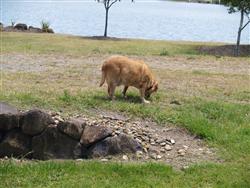
DISTANCE LEARNING COURSE COMPANION ANIMALS
Work in the Pet Industry · Learn more about the behaviour and physiology of companion animals.
· Study this excellent course in your own time and at your own pace.
· Start a new career working with pets and providing support in the pet industry.
· Learn animal husbandry, business and management skills.
" Mr Douglas is a fantastic tutor, I have learnt so much from him. He gave comments that aided in understanding and was always positive and encouraging....makes me feel not so distant. His tutoring made me strive harder." - Lisa
Modules
Note that each module in the Certificate in Companion Animal Studies is a short course in its own right, and may be studied separately.
What is covered by each of the Core Modules?
Pet Care
This has eight lessons as follows:
Introduction to Animal Care
Cats
Dogs
Birds
Fish
Rabbits
Reptiles & Amphibians
Guinea Pigs, Hamsters & Mice.
Animal Behaviour
This has eight lessons as follows:
Introduction: Influences and motivation.
Genetics and Behaviour.
Animal Perception and Behaviour.
Behaviour and the Environment.
Social Behaviour.
Instinct and Learning.
Handling Animals
Behavioural Problems.
Animal Health Care
There are twelve lessons as follows:
Introduction to Animal Health Care
Common Health Problems in farm animals and pets
Animal Behaviour
Signs of Ill Health
Veterinary Facilities
Safety Procedures
Administration of Animal Health
Animal First Aid
Preventative Health Care
Routine Health Treatments
Health Problems in Domestic Pets
Rehabilitation Care
Starting A Small Business
This covers all of the basics of running a business, and provides valuable and necessary skills for anyone involved in a Pet or companion animal business. It involves twelve lessons as follows:
Introduction to Small Business Types of business and communication, types of language, office equipment.
The Business World Consultancy services, law and business, the landscape industry, business letters, communication systems.
Your alternatives - different types of ventures Buying and starting a business.
Marketing What is involved in marketing, advertising, selling, communication.
Planning Organising and planning to ensure the success of the business.
Basic Bookkeeping Financial statements, balance sheet, profit and loss statement,insurance.
Sales Methods Selling, sales method, telephone canvassing.
Budgeting Assets and liabilities.
Developing a 12 month business plan Protection, planning and production.
Implementing a business plan Communication with employees, planning the development of the business.
Reviewing progress in a new business Research, evaluate and decide on business plan updates.
Improving profitability Increase profit and reduce expenditure
HOW DO YOU LOOK AFTER PETS?
Introduction to Pet Care
No matter what type of pets you are looking after there are some general needs that must be fulfilled. These include:
Food All animals will require sufficient food, of the right type/s, and at the right intervals. This will obviously vary considerably from animal to animal, for example dogs usually have diets with a high meat component, some birds will have diets high in seeds, some birds may require such things as insects or meal worms, rabbits and guinea pigs may be fed on grasses and vegetable scraps, while reptiles may be fed with live food (e.g. mice, frogs).
Understanding what types of food your animals require is very important, it is also important that you understand differing food requirements at different stages of their life (e.g. young versus mature animals, when pregnant or feeding young). To ensure the best health of your animals, only use good quality food that has been properly stored (e.g. not perished, or mouldy, or infested with pests). Discuss with your vet to ensure your animals are receiving adequate nutrition from their diet, and to determine ways in which you might need to modify it to improve their all round nutrient intake.
Although it can seem nice to treat pets to human foods and sweets, or to leave food constantly available to your pet, it can be very detrimental to their health. Certain foods that are fit for human consumption can in fact be toxic to pets. Allowing your pet to eat constantly, or providing them with a poorly balanced diet can lead to obesity. This is an increasing problem and has serious complications for animals, they are unable to move as freely and become sedentary, and they can develop joint problems such as arthritis, as well as injuries related to the stress on their spines from the additional weight. Heart disease is also more likely along with complications such as obesity related diabetes.
Watering Nearly all animals will require regular watering, some having high water requirements. Water should be of high quality, and plenty provided. The types of water containers provided should be suitable to the types of animals you are watering, for example deep, steep-sided containers may pose a drowning risk to small animals, including birds, while containers or troughs used by multiple numbers of a particular pet should provide sufficient room (access) so that there is not any great degree of competition between the animals for the water - this is particularly important on days of high water need (i.e. very hot days), or with more aggressive animals.
Water containers/sources should also be placed in suitable position where they are stable (not easily dislodged or knocked over), where they will not be contaminated by debris or animal droppings falling into them, and easily accessed by both your pets to drink, and you to fill them. For some animals the containers may need to be placed in a position that provides some degree of shelter and/or protection from other animals. Placing water in a position sheltered from the sun will also reduce evaporation rates. Ideally at least two, and depending on the space available and animals you are watering, possibly more separate containers should be available, in case one becomes fouled, or is knocked over. Animals can quickly suffer or die if sufficient water is not available on a hot day. Containers should be regularly inspected for damage, and regularly and thoroughly cleaned to minimise pest and diseases problems. Any automatic watering systems should be regularly maintained, and regularly checked to ensure they are operating properly.
Shelter/Containment/Protection Caging and fencing can serve a number of functions. This includes:
• Containment - ensuring you pet/s don't escape. • Shelter - providing protection against the elements. • Protection - both against other animals (predators), and to protect other animals and people from your animal/s (e.g. snakes, aggressive dogs).
Any caging or fenced area should have the following features:
• Size - sufficient to cater for the animal’s needs • Strength – sufficient to contain the animal, to keep other animals out and to withstand the local weather conditions • Safe - no sharp edges, or protruding parts, ensure materials aren’t toxic to the animal (treated timbers, rusted metals, asbestos sheeting etc). • Position – providing shelter for the animal and being securely fixed into place • Access - for cleaning, providing food and water. Access should be secured to prevent escape.
It is crucial that any containment area is regularly checked over and maintained properly.
Maintaining Health Good hygiene is critical. This includes such things as maintaining food and water quality, cleaning out wastes regularly, and controlling pests and diseases. Regular preventative measures for controlling pests and diseases are vital. Examples include spraying cages/shelters, regular worming treatments, vaccinations, flea and tick treatments, regular inspections for signs of problems in the animals yard as well as on the animal itself, regular grooming and dental care, and quarantining animals that are suspected or known to have pest or disease problems can significantly reduce the likelihood of problems occurring, and minimise their spread when they do occur. Regular veterinary check ups are important, to detect any conditions that may otherwise go unnoticed.
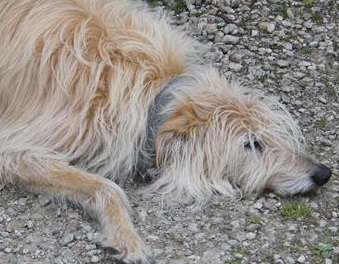
It is important that animals receive adequate opportunity for exercise to avoid them becoming overweight and unhealthy. Many smaller pets thrive on human contact and it is necessary to spend time interacting with them, playing, wrestling or during grooming.
GENERAL REQUIREMENTS FOR KEEPING PETS No matter what type of pets you are looking after there are some general needs that must be fulfilled. These include:
Food All animals will require sufficient food, of the right type/s, and at the right intervals. This will obviously vary considerably from animal to animal, for example dogs usually have diets with a high meat component, some birds will have diets high in seeds, some birds may require such things as insects or meal worms, rabbits and guinea pigs may be fed on grasses and vegetable scraps, while reptiles may be fed with live food (e.g. mice, frogs).
Understanding what types of food your animals require is very important, it is also important that you understand differing food requirements at different stages of their life (e.g. young versus mature animals, when pregnant or feeding young). To ensure the best health of your animals, only use good quality food that has been properly stored (e.g. not perished, or mouldy, or infested with pests). Discuss with your vet to ensure your animals are receiving adequate nutrition from their diet, and to determine ways in which you might need to modify it to improve their all round nutrient intake.
Although it can seem nice to treat pets to human foods and sweets, or to leave food constantly available to your pet, it can be very detrimental to their health. Certain foods that are fit for human consumption can in fact be toxic to pets. Allowing your pet to eat constantly, or providing them with a poorly balanced diet can lead to obesity. This is an increasing problem and has serious complications for animals, they are unable to move as freely and become sedentary, and they can develop joint problems such as arthritis, as well as injuries related to the stress on their spines from the additional weight. Heart disease is also more likely along with complications such as obesity related diabetes.
Watering Nearly all animals will require regular watering, some having high water requirements. Water should be of high quality, and plenty provided. The types of water containers provided should be suitable to the types of animals you are watering, for example deep, steep-sided containers may pose a drowning risk to small animals, including birds, while containers or troughs used by multiple numbers of a particular pet should provide sufficient room (access) so that there is not any great degree of competition between the animals for the water - this is particularly important on days of high water need (i.e. very hot days), or with more aggressive animals.
Water containers/sources should also be placed in suitable position where they are stable (not easily dislodged or knocked over), where they will not be contaminated by debris or animal droppings falling into them, and easily accessed by both your pets to drink, and you to fill them. For some animals the containers may need to be placed in a position that provides some degree of shelter and/or protection from other animals. Placing water in a position sheltered from the sun will also reduce evaporation rates. Ideally at least two, and depending on the space available and animals you are watering, possibly more separate containers should be available, in case one becomes fouled, or is knocked over. Animals can quickly suffer or die if sufficient water is not available on a hot day. Containers should be regularly inspected for damage, and regularly and thoroughly cleaned to minimise pest and diseases problems. Any automatic watering systems should be regularly maintained, and regularly checked to ensure they are operating properly.
Shelter/Containment/Protection Caging and fencing can serve a number of functions. This includes:
• Containment - ensuring you pet/s don't escape. • Shelter - providing protection against the elements. • Protection - both against other animals (predators), and to protect other animals and people from your animal/s (e.g. snakes, aggressive dogs).
Any caging or fenced area should have the following features:
• Size - sufficient to cater for the animal’s needs • Strength – sufficient to contain the animal, to keep other animals out and to withstand the local weather conditions • Safe - no sharp edges, or protruding parts, ensure materials aren’t toxic to the animal (treated timbers, rusted metals, asbestos sheeting etc). • Position – providing shelter for the animal and being securely fixed into place • Access - for cleaning, providing food and water. Access should be secured to prevent escape. It is crucial that any containment area is regularly checked over and maintained properly.
Maintaining Health Good hygiene is critical. This includes such things as maintaining food and water quality, cleaning out wastes regularly, and controlling pests and diseases. Regular preventative measures for controlling pests and diseases are vital. Examples include spraying cages/shelters, regular worming treatments, vaccinations, flea and tick treatments, regular inspections for signs of problems in the animals yard as well as on the animal itself, regular grooming and dental care, and quarantining animals that are suspected or known to have pest or disease problems can significantly reduce the likelihood of problems occurring, and minimise their spread when they do occur. Regular veterinary check ups are important, to detect any conditions that may otherwise go unnoticed.
It is important that animals receive adequate opportunity for exercise to avoid them becoming overweight and unhealthy. Many smaller pets thrive on human contact and it is necessary to spend time interacting with them, playing, wrestling or during grooming.
More Information on ACS Distance Education and our courses
Who are our tutors?
Our tutors are all highly experienced and professional, knowledgeable in their field of study. We have staff from around the world, enabling us to gain a wide variety of perspectives. We have a school in the UK and in Australia. If you would like to have a look at our tutors, then click on the “The School” in the boxes above and choose “The Staff” option.
Sample Course Notes
Our courses are all written by highly qualified tutors and writers, who also teach on the courses, so know them well. We strive to update our courses and improve them with new information, methods and knowledge on an ongoing basis. If you would like to see examples of some of our courses, then choose the “Enrolment” option above, and then click on “Sample Course Notes”.
What learning method should I choose?
We offer three learning methods – e-learning, correspondence and online. If you are not sure which is the right choose for you, then click on the “Enrolment” box above, then “Learning Methods.”
How Long will it take to complete the course?
This obviously varies from student to student. Some students will have more time for study than others. Some students may work quicker than others, so it is an individual thing. We estimate that most students will take, for example, 4 – 6 months to complete a 100 hour individual module, but we allow up to 12 months for you to complete it.
Longer courses will obviously take longer. You can find more information on the length of time required and so on the “Enrolment” box, then selecting “Terms and Conditions of Enrolment.”
What Do Our Students think of us?
If you would like to read comments from our previous students, then choose the “Enrolment” option above, then “Student Testimonials”.
I don’t think this is the right course for me.
If you’re not sure about this course, then why not look at our wide range of other courses. Click on the “Courses” box above.
You may also wish to design your own course to fit in with exactly what YOU want. To do so, click on the “Enrolment” box, then “Design your Own Course”.
If you would like more advice on a course, then you can contact us and ask a tutor about the courses. You can contact us by calling 0800 328 4723 or +44(0) 384 442752 or emailing info@acsedu.co.uk
Recognition and Accreditation
For more information on our recognition and accreditation, click on “The School”, then “Recognition”.
Who is ACS Distance Education?
If you want to know more about ACS and our history, then please click on “The School”, then “About us.”