Study African Violets, culture, propagation, pests and diseases and much more with this distance learning course.
"A specialist course for African Violet enthusiasts or professional horticulturists
Course Content
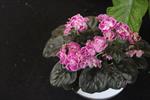 There are eight lessons including a special project in this course, as follows:
1. Introduction
- what is an African Violet
- other Gesneriads
- pronouncing plant names
- review of the system of plant identification
- Gesneriad sub families (Cyrtandroidae, Gesneriodoideae)
- review of African Violet species
- review of Saint Paulia groupings
- where to find more information
2. Culture
- understanding plant growth in African Violets (roots, leaves, stems, flowers)
- preferred conditions for African Violets
- nutrition and fertilisers
- soils, pH and potting media
- choosing a container
- potting up method
- Review of Gesneriad Genera: Achimenes, Aeschynanthus, Columnea, Episcia, Streptocarpus, etc
3. Propagation
- sexual and asexual methods
- propagating aids (greenhouse, hotbed, coldframe, fluorescent lights etc)
- cutting propagation of African Violets
- seed propagation of African Violets
- propagating African Violets by division
4. Pests & Disease
- understanding routine plant maintenance to maintain health
- understanding parasitic and non parasitic problems
- controlling problems (wet, cold, wind etc)
- review of pests and diseases (affects on African Violets and their control)
5. Light and its Affects
- understanding light
- affects on African Violets
- artificial lighting
6. Greenhouse Culture
- providing conditions for African Violets
- dealing with low humidity
- types of greenhouses
- greenhouse systems (heating, cooling, lighting, atmosphere controls, etc)
- shade houses
- cold frames
- heated propagators
- environmental controls (temperature, moisture, humidity, fog, etc)
- managing heat, ventilation, lighting, etc)
- managing water
- irrigation options and methods
7. Ways to Use African Violets
Containers
- baskets, terrariums, miniature gardens
- hydroponics
- in the ground, in greenhouses, growing for profit (to sell etc.)
- popular African Violet cultivars, by colour
8. Special Assignment
A major problem based learning project designed to achieve the following aims:
- Identify a series of possible locations for growing a collection of African Violet Cultivars.
- Compare and select the best location from the available options.
- Identify factors that will affect the successful culture of African Violets in the selected location.
- Determine criteria for selecting cultivars of African Violets to be included in the collection.
- Select cultivars of to be included in the collection.
- Choose plant establishment techniques appropriate to the project.
- Determine a routine 12 month maintenance program for a selected collection of cultivars to be grown in a specified situation.
Duration: 100 hours
Course Aims
- Describe how African Violets and related plants are classified and the plant naming system
- Describe the cultural requirements of African violets
- Select appropriate propagating materials and using them, propagate African violets.
- Identify and control pest and diseases of African violets
- Discuss the role that light plays in the growth of African violets
- Describe greenhouses and other environmental control equipment used for growing African violets.
- Describe the various ways in which African violets can be grown
- Demonstrate the knowledge acquired for a specific group or individual plant in the Gesneriaceae family through research.
How Many African Violets are there?
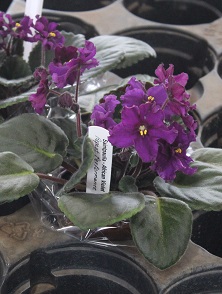 Over 20 species of African Violet have been identified, indigenous to tropical East Africa. All are low growing, evergreen perennials, commonly occurring alongside watercourses, sometimes epiphytic. Most do not appear to have stems (they have very short stems), but some trailing types have extended stems
While there may only be 20 species; thousands of named cultivars have been developed by breeders, nurserymen and enthusiasts. Most of these are bred from the one species, Saintpaulia ioantha
There are also many other related plants in the same plant family (ie. Gesneriaceae); often grown and collected by the same people who grow African Violets. This course focuses on African Violets; but does also deal to some extent with the other gesneriad relatives.
There are many different ways of classifying African Violets that are in cultivation.
The scientific system of classifying plants follows rules established by the 18th century Swedish botanist, Linnaeus. Changes to this system are managed by international meetings of scientists. While this system is no doubt the most accurate, it is still not always 100% consistent. There is an international congress of botanists which makes decisions, but also an international congress of horticulturists which makes decisions. Some academics will follow one of these groups in preference to another; and even though they both agree most of the time, sometimes they do not.
Many of the genera and species names of gesneriads (and other plants) are changed from time to time by these “experts” If one congress retains an old name and another implements a change; we can potentially have the same plant with two different names; and arguably both are equally acceptable.
Beyond these “academics”, there are many other organisations around the world that periodically develop ways of classifying plants. One such example is the African Violet Society of America, which developed a classification system that divides African Violets into species, sub species and clones. The following shows how they classify the S. ioantha species:
S. ionantha is divided into several subspecies:
S. ioantha Subspecies grandifolia
Clones include:
- grandifolia #237 1958 (B. Burtt) Single blue-violet, one or more per peduncle, floriferous. Light green, elliptical, very thin, long flexible petiole. Usually single crown. Large
- S. grandifolia #299 1958 (B. Burtt) Single dark blue-violet, one or more per peduncle, very floriferous. Light to medium green, elliptical, very thin, crinkled, long flexible petiole. Usually single crown. Large.
S. ioantha Subspecies grotei
Clones include:
- confusa 1958 (B. Burtt) Single dark purple, 2-6 per peduncle. Variable floriferousness. Medium green, thin, quilted, leathery, flexible, serrated/near-white back. Often multi-crowned. May develop sideways growth habit. Semi-miniature to standard.
- grotei Single, light-medium blue flower with variable darker eye, often obscured by leaves, 2-3 per peduncle. Pale-dark green, variable texture, round, serrated on most clones. Usually near-white back, occasionally red. Green or brown flexible petiole. Large trailing plant.
- magungensis var. minima Single tiny light purple flowers with darker eye, 1-2 per peduncle, rarely blooms. Leaves medium, small, cupped-down, thin, hairy, serrated, red-brown petiole.
S. ioantha Subspecies ionantha
- House of Amani - Single medium lavender-blue, 3-7 per peduncle, hides under leaves, short-lived. Dark green, pointed, quilted, smooth, prominent veins, serrated/occasional red back, petiole. Usually single crown. Standard size.
- Ionantha Single blue-violet flower, 4-5 per peduncle, very floriferous. Dark green, pointed, heart-shaped, tends to spoon, thick, quilted, glossy, slightly serrated, long red-brown petiole/red back. Large.
- Sigi falls - Single variable blue-violet flowers, 2-4 per peduncle, sometimes flowering difficult. Leaves dDull green, tends to look mottled, longifolia, may spoon, thick, tough, very hairy, varies in size/purple-red back. Multi-crowned. Large clump or bushy trailer.
- Tongwensis Single pale blue flowers, may have dark pinwheel marking in cool temperatures; 4-6 per peduncle, very floriferous. Dark green, pointed, narrow, very thick, hairy, slightly serrated/some red back. May appear variegated with mottled pattern over main veins. Usually upright single crown, rarely suckers. Standard.
S. ioantha Subspecies ionantha Variety diplotricha
- diplotricha Parker Single pale lilac flowers with bright yellow stamens; seven per peduncle. S. ioantha subspecies orbicularis
- orbicularis var. purpurea Single small dark purple, 5-8 per peduncle, very floriferous. Dark green, round to heart-shaped, thin, glossy/light back. Single or multiple crown. Standard.
S. ioantha Subspecies pendula
- intermedia- Single medium blue flowers, 5-7 per peduncle, sparse. Olive green, small, round, tends to spoon, velvety, slightly serrated/purple-red back, prominent green veins. Single crown to trailing. Small standard or trailer.
S. pendula var. kizarae 3397 – Trailing habit. Single lavender flowers, 2- 4 per peduncle, floriferous. Light green, round, hairy, serrated.
S. ioantha Subspecies velutina
- velutina Flowers single small medium violet/darker eye, some white tips. Five per peduncle, floriferous. Black-green, round to heart-shaped, may cup up or down, thin, hairy, velvety, pronounced veining, serrated/red-purple back.
velutinalite - Semidouble white flowers tinged with blue. Leaves unusual; are crinkled and velvety dark green, pointed, thick, serrated. Single crown, may sucker.
African Violets and related plants can be addictive; and there's always something new to learn or do with them. Start your journey here!
WHAT NEXT?
Register to Study - Go to “It’s Easy to Enrol” box at the top of the page and you can enrol now.
or
Get Advice – Email us at info@acsedu.co.uk OR
Use our FREE COUNSELLING SERVICE to contact a tutor
CLICK TO CONTACT US