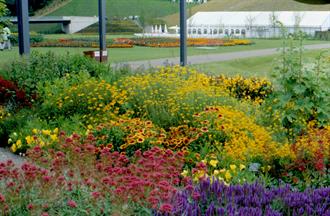
 Become an expert in growing and maintaining annual flowering plants
Annuals are a valuable horticultural crop grown commercially as cut flowers, as seedlings or as advanced pots of colour. With careful choice, versatile annuals can deliver year round colour in the home garden. They work to fill gaps between perennials, they can be used to disguise the messy foliage of bulbs as they seasonally die-off, and they can help to keep gardens or parks in the peak of perfection.
This eight lesson course reveals the secrets of how to identify annual species, what to grow and when to grow each variety. It covers soil improvement, pest control, irrigation, propagation, greenhouse growing, hydroponics and much more. It is equally as useful to the home gardener and to the professional gardener as to those intending to grow annuals commercially.
Course Structure
This subject has 8 lessons as follows:
1. Introduction
- Scope and Nature
- Naming Plants
- Species, hybrids, cultivars.
- Plant Families
- Pronouncing plant names
- Flower structure and basic botany
- Information sources
- Caring for Cut Flowers
2. Culture
- selection of plants suited to the situation
- preparing a site (soils, cultivation etc)
- propagation
- planting
- mulching
- protecting and caring for establishing plants
- control of problems (eg. pests, diseases, weeds)
3. Propagation
- Methods of propagating annuals.
- Seed sowing
- Pricking out seedlings
- Propagation of selected varieties of annuals.
4. Hydroponics.
- Annuals in hydroponics
- How plants grow
- Diffeerent Hydroponic systems explained
- When and why to choose hydroponics
- Hydroponic techniques for selected annuals
5. Pest and Disease
- Identifying problems (disease, pest, environmental, nutritional)
- Treating problems
6. Irrigation
- Irrigation objectives
- Soil Moisture
- Maintaining water levels
- Watering
- When to irrigate
- Identifying over or under watering
7. Greenhouses and Bedding
- Greenhouse design and construction
- Growing in a greenhouse
- Environmental factors that affect growth
- Controlling flower production
- Heating and cooling
- Flower Bed Layouts -pure and impure
- Types of plantings
- Bedding schemes
- Annuals with scent
- Annuals with colourful foliage
- Selecting annuals according to height
- Flower judging
8. Harvest, Post Harvest and Quality.
- Harvesting flowers
- Flower deterioration
- Post harvest
- Shelf life
- Factors affecting post harvest life
- Post harvest treatments
- Grading standards
- Conditioning for market
- Packaging
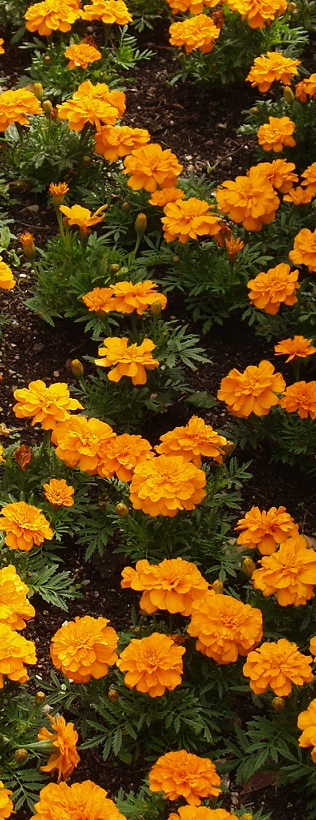
- Harvesting specific annuals (snapdragon, Bellis, Carnation, Calendula, Carnation, Chrysanthemum, Larkspur, Delphinium, Cosmos, Gypsophila, Iberis, Marigold, Poppy, Statice, Stock, Sweet Pea, Violet)
Course Duration: 100 hours
This is a course for amateurs and professionals; plant collectors and breeders, flower enthusiasts, nurserymen, landscapers, gardeners and horticulturists.
WHY GROW ANNUALS?
Everyone has a different reason for growing annuals. Here are some of their uses.
- They can produce a large number of flowers quickly.
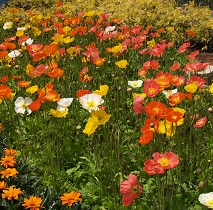
- They can be used to create frequent changes in a garden.
- Ease - many grow very easily. Seed can be collected easily and plants regrown again next year.
- Cost - many grow easily from seed or very small plants (seedlings); hence the cost per plant can be relatively economical
- They can be used as 'fillers' in beds with slow growing plants.
- Many are ideal as cut flowers
- Portability - most grow well in containers; so they can be moved about the garden, or even indoors, to bring temporary colour immediately to any area you need it.
- Therapy and Education - annuals are ideal plants for teaching people about gardening, or for horticultural therapy, because they develop fast and can give faster rewards than most types of plants
Get the Timing Right
Timing is very important for sowing annual seed or planting out seedlings.
Some annual seeds need cooler temperatures and may need to be covered and kept in the dark to germinate whereas other seeds need to be exposed to light and sown only on the surface of soil mixes. Some annuals prefer heat to germinate and grow, other varieties like it cool to grow. Some need heat to start them off but then they want to continue to grow over the cooler months. Most of this relates to the timing in a seasonal year a particular variety likes to grow and flower.
If you do not sow seeds at the correct time, the plants will wither and die, simply not flower, or run to seed. For example, Primulas (Primrose) sown in spring and planted out into the garden as seedlings in summer will quickly turn yellow and run to seed with the hot temperatures. The same goes for many vegetables that are cool season ones planted out of season in summer - they run to seed very quickly before producing a good crop.
Learn to Choose What Annuals to Grow Where and When
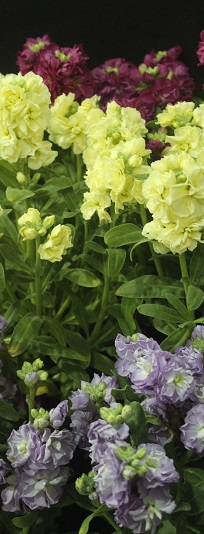 There are many factors which influence what annuals to grow and where to grow them. Given that most annuals produce flowers within three to four months of the seeds being sown, those which flower in the summer are usually sown in the spring, and those which flower in the winter are usually sown in the autumn.
Since the whole emphasis of annuals is on their vibrant display of colour, it is important to make the most of the short window of opportunity they afford you. In order to achieve the most from your plants, having an understanding of which plants flower at different times of the year is very useful - especially if you are going to sow your own seeds. It is also helpful to know which plants are going to be low-growing and which are likely to be taller for planning where to position them in garden beds, window boxes, and so on.
You should bear in mind that some annuals are not true annuals but are actually just short-lived perennials in some regions and climates. Also, many flowering plants have both annual and perennial species, for instance, lupins and delphiniums. What is more important is that the plants you select serve the purpose you select them for.
What do our students think?
"This is the first correspondence course I have done and I have thoroughly enjoyed it and I just wanted to say a big THANK YOU. I appreciate everyone's effort in such a professionally-run organisation with seamless administration. The office staff's happy can-do attitude, their fast responses to all queries, tutor Shane Gould's quick turnaround in assignment marking and his supportive and motivational feedback and last but not least, the sound subject guides. Most importantly I hope my thanks and appreciation can be communicated to all the staff who have supported me long the way of my learning! I work full time and study on the weekend but really don't stop thinking about what gardening solution I need in order to answer my assignments every day of the week. Thank you for such a great learning experience and I cant wait to start the second half of my course!!"
- Skye
WHAT NEXT?
Register to Study - Go to “It’s Easy to Enrol” box at the top of the page and you can enrol now.
or
Get Advice – Email us at info@acsedu.co.uk OR
Use our FREE COUNSELLING SERVICE to contact a tutor
CLICK TO CONTACT US