Learn to identify and grow a wide variety of perennials.
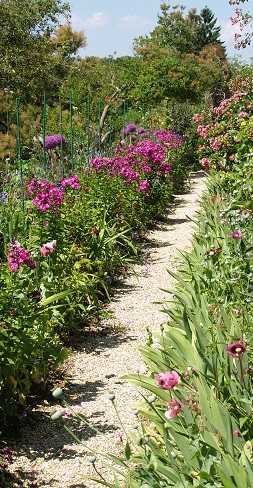
This is a course for amateurs and professionals; plant collectors and breeders, nurserymen, botanists, landscapers, gardeners and horticulturists. Increase your knowledge of perennials in the comfort of your own home, supported by our highly experienced horticulture tutors.
Duration
The course requires 100 hours of study.
Start Date
Start at any time to suit you.
COURSE STRUCTURE
There are eight lessons in the course -
1. Introduction
- Review of the system of plant identification
- Physiology
- Information sources
2. Culture
- Planting
- Staking
- Mulching
- Watering
- Feeding
- Pruning, etc.
3. Propagation and Hybridization
- Seed
- Pricking out seedlings
- Cuttings
- Factors affecting cutting strike
- Propagating media
- Types of cuttings
- Hardening off young plants
- Division
- Separation
- Layering
- Potting mixes
- Potting up
4. Review of Major Types of Perennials
- Herbaceous perennials
- Establishing herbaceous plants
- Popular bulbs, corms and tubers
- Supporting herbaceous plants
- Herbs in a perennial border
- Wildflower meadows
- Maintaining herbaceous borders
- Perennials for different purposes/uses
- Artemisia
- Lavandula
- Scented Geraniums
- Ornamental; grasses
- Bamboos
5. Pests and Disease
- Plant pathology
- Parasitic and non parasitic problems
- Conducting an inspection and identifying problems
- Tell tale symptoms
- Common terminology
- Common pests on perennials and their management
- Diseases
6. Water Management
- Significance of water
- Infiltration and water retention
- Water needs for perennials
- Watering methods
- When to water
- Testing water needs
- Reducing water needs
- Watering perennials in pots
- Drip irrigation
- Hydroponics Introduction
- Types of hydroponic systems
7. Landscaping with Perennials
- Designing the garden
- Landscape principles and components
- Landscape effects
- Design styles
- Flower bed design
- Colour themes
- Cottage gardens
- What perennials to grow in cottage gardens
- Scented plants
- Landscaping with bulbs
8. Further Uses for Perennials
- Cut Flowers
- What flowers the longest
- Harvest and storage
- Growing Carnations
- Chrysanthemums
- Herbs
- Herb crafts
Each lesson culminates in an assignment which is submitted to the school, marked by the school's tutors and returned to you with any relevant suggestions, comments, and if necessary, extra reading.
Aims
- Describe the identification of Perennial Plants
- Determine sources of further information for identifying and growing different varieties of perennials.
- Discuss a variety of cultural techniques used to improve success in growing of different perennial plants
- Determine the propagation of different perennial plants.
- Discuss the horticulture of a range of commonly grown perennial genera.
- Discuss the management of pests and diseases occurring on a range of perennial plants.
- Manage irrigation and drainage to ensure optimum water levels are maintained for healthy growth in perennials.
- Determine appropriate use of perennials in a range of horticultural situations.
- Describe a variety of uses for perennials.
What is a Perennial?
Perennials cover a wide range of plants including both ornamental and useful plants. There are perennial plants for all situations.
Botanists may call perennials any plants that live for several years (ie. anything that is not an annual or a biennial). Gardeners and horticulturists however, generally refer to perennials as plants which have softer tissue (ie. are not woody), as well as living for several years.
 The term biennial is also sometimes used, referring to a plant that lives for and completes its life cycle in 2 years. A perennial may therefore be distinguished from annuals and biennials as having a longer lifespan than those two types of plants.
Horticulturists and gardeners commonly think of two types of perennials:
- herbaceous perennials
- evergreen perennials
Herbaceous perennials die back for during part of the year. Commonly, the whole of the top of the plant may die back, leaving a crown or swelling at ground level, and the roots below. Some however may only loose part of the top growth.
Evergreen perennials maintain leaves (at least some) throughout all seasons.
Herbaceous Perennials
Herbaceous is a general term to describe those plants that do not have woody growth. Some herbaceous plants retain their foliage all year and many others have a period of dormancy. These plants often store food in a part of the plant below the ground. They include bulbs, corms, tubers and rhizomes. These types of plants provide some of our most spectacular flowering displays. Some are also very fragrant.
Herbaceous plants can be used to create a number of different landscaping effects:
-
planted in single varieties in massed beds for a formal appearance
-
interspersed with other plants in the garden bed in clumps or drifts for an informal effect
-
planted under deciduous trees in random groups to create a naturalised 'wild' garden effect
When selecting herbaceous plants, consider how they will look all year round. For many months, they will be dormant and unseen. They also need to be left to die back after flowering, when they can often look unattractive. To be grown at their best, herbaceous plants require careful maintenance.
Establishing Herbaceous Plants
Often herbaceous plants (such as those grown from bulbs, corms and tubers) do not need heavy feeding when first planted as they will initially utilise their stored food supply Because they are mostly grown for flowers, they generally need larger amounts of potash than other nutrients. They usually also have a dormant period and can be susceptible to rotting if left in a moist situation during dormancy (ie. their metabolism is slow in dormancy this means their defence mechanisms are lower). Most herbaceous plants prefer a rich, organic, well drained loam. They thrive on soil that has been prepared with rotted manure or compost prior to planting. Sunny but cool positions are excellent. They can often burn if there is too much heat or wind.
Why Study with ACS?
Design your own learning pathway.
Study at your own pace, from anywhere, at any time.
Receive prompt, expert support from our team of committed and friendly tutors.
Your learning is our priority. We are flexible and adaptable to meet your educational needs!
WHAT NEXT?
Register to Study - Go to “It’s Easy to Enrol” box at the top of the page and you can enrol now.
or
Get Advice – Email us at info@acsedu.co.uk OR
Use our FREE COUNSELLING SERVICE to contact a tutor
CLICK TO CONTACT US