How Aromatherapy Works
How Aromatherapy May Work
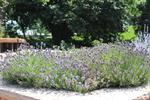 A consultation with a trained aromatherapist is much like a visit to your GP. The therapist will take your background details, including information on other treatments you receive. Then, they will assess you for physical symptoms, by looking at things such as your eyes, fingernails and signs of circulation. Reflexology can also be used to confirm the symptoms or to bring to the fore many little things that may have been overlooked. Based on this assessment, the therapist will then select the appropriate oils for use and prescribe how and when to use them. This may include using in an oil burner, steam inhalation, massage and use in creams or in a bath.
The oils suggested for use will normally be a blend of 3 or more oils, combined for their synergy, or ability to work together more effectively. For instance, a client may be wanting treatment for the alleviation of stress, yet stress is different things for different people. If the stress is related to all things being out of balance, then Clary Sage would be included in the blend, to restore balance. If stress is related to the inability to relax, then a very calming oil such as Benzoin or Ylang Ylang may be called for.
Another example of a synergistic blend is lavender and rose, for menstrual pain. The lavender alone will give immediate pain relief, but rose is balancing to the hormonal system. So, while rose is not effective at taking away pain on contact, it gives longer term relief. Used in conjunction then, rose and lavender would be a superior oil to either one used individually.
How Do You Make a Herbal Ointment?
Making your own herbal ointment or balm can be very enjoyable and if you have children it's something they love to get involved in. You can make ointments to soothe stings and bites, cut and grazes, or for dry irritable skin.
1) Heat some water in a saucepan so that it is simmering and not boiling.
2) Add 1 cup (250ml) of vegetable oil (e.g. olive, jojoba, almond) and 1/2 cup of dried herbs of your choice (or more for fresh herbs) to a bowl.
3) Place the bowl on top of the saucepan so that it fits snugly but does not touch the water.
4) Leave for 20-30 minutes.
5) Strain the oil to remove herb parts and return to bowl.
6) Add 3 tablespoons of beeswax to the oil.
7) Allow the wax to melt but not boil.
8) Gently stir contents with a wooden spatula to mix ingredients.
9) Remove bowl and pour ointment into jars.
10) Allow to cool, then seal and refrigerate.
Hints
- Use a glass or Pyrex bowl so that no contaminants leach into the ointment.
- Buy a purpose-made double boiler.
- Use more beeswax to create a thicker ointment which can be used as a lip balm.
- Put date labels on your ointments and dispose of after 6 months or if they deteriorate.
WOULD YOU LIKE TO LEARN MORE?
ACS Distance Education offer over 600 courses in a wide variety of disciplines. If you are interested in Aromatherapy and Natural Health you might find the following courses of interest (please click on the course title to follow the link to the course page):
Aromatherapy
Medicinal Herbs
Those looking for more advanced studies may be interested in the following course:
Advanced Certifcate In Nutritional Counselling
Learn from our experience.
Want to know more? Click to contact us.
[10/09/2026 22:29:03]