Study for a Foundation Certificate by Distance Learning.
Foundation Certificate in Residential Garden Planning and Care Level 2
- Learn garden design principles, and how to apply them.
- Gain knowledge of plant selection, establishment, and maintenance.
- Learn about lawns - turf establishment, maintenance, and renovation.
- Learn about soils, environmental considerations and weed control.
- Develop an understanding of protected cultivation, fruit production, and more.
COURSE STRUCTURE AND CONTENT
Course Duration: 150 hours.
 Start Date: Start at any time - study at a pace that suits you, and with full tutor support for the duration of your studies.
Lessons: The course comprises 10 lessons which are spread across 4 units:
Unit 1: Garden features, plant selection and planning.
Unit 2: The choice, establishment and maintenance of garden plants and lawns.
Unit 3: The production of outdoor vegetables and fruit.
Unit 4: Protected environments and their use in plant cultivation.
LESSON STRUCTURE
Lesson 1. Principles of Garden Design (Unit 1)
- Introduction.
- Landscape Principles (Unity, Balance, Proportion, Harmony, Contrast, Rhythm).
- Design Elements (Line, Form, Mass, Space, Texture, Colour, Tone).
- Landscape Effects.
- Colour in Garden Design.
- Formal Gardens.
- Informal Gardens.
- Cottage Gardens.
- Minimalist Gardens.
- Natural Landscapes.
- Oriental Gardens.
- Mediterranean Gardens.
- Tropical Gardens.
- Plant Identification, Culture and Use -Reviewing a range of plants.
Lesson 2. Conducting Garden Surveys and Planning (Unit 1)
- Appraising a Site and Collecting Data for Planning.
- Components of the Pre-Planning Phase.
- Use of Hard Garden Features and Hard Surfaces.
- Scale for Landscape Plans.
- Triangulation.
- Surveying Slope.
- Direct Contouring.
- The Grid System.
- Levelling Terminology and Procedure.
- The site Plan.
- Concept Plan.
- Final Plan.
- Other Plans.
- Design Procedure.
- Landscape Graphics.
- Putting Pen to Paper.
- Lettering and Graphics.
Lesson 3. Use of Hard Garden Features and Hard Surfaces (Unit 1)
- Hard and Soft Landscaping.
- Surfaces in the Garden.
- Paving.
- Using Pebbles.
- Rockeries.
- Mulching and Erosion Matting.
- Barriers and Walls.
- Trellis.
- Types of Fencing.
- Patios.
- Seating.
- Garden Structures.
- Garden Art, Features and Furnishings.
- Pools, Ponds and Water Gardens.
- Environmental Sustainability.
Lesson 4. Use of Soft Garden Features(Unit 1)
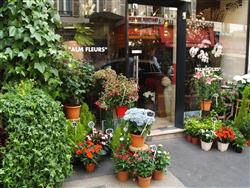 Choosing Plants.
- Purchasing Plants.
- Trees in the Landscape (Deciduous, Semi Deciduous, Evergreen).
- Shrubs.
- Perennials and Herbs.
- Types of Herb Gardens.
- Wildflower Meadows.
- Perennial Displays.
- Annuals.
- Flower Bed Design.
- Cottage Gardens.
- Scented Plants.
- Climbers and Growing plants on Trellis.
- Lawns and Turf varieties.
Lesson 5. Plant Establishment and Maintenance (Unit 2)
- Plants in the Landscape.
- Plant Selection.
- Environmental Factors.
- Improving Environmental Conditions.
- Selecting the Right Plant.
- Which Plant to Buy.
- Understanding Soils and Fertility.
- Plant Nutrition.
- Preparing a Garden.
- Transplanting Techniques.
- Fertilising and Staking.
- Planting Bare Rooted Plants.
- Time of Planting.
- Planting Mistakes to Avoid.
- Gardening in Dry Areas.
- Colourful Year Round Foliage.
- Establishing Annual and Herbaceous Plants.
- Seed.
- Selecting Herbaceous Plants and Bulbs.
- Dividing and Separating Perennials.
- Herbaceous Borders.
- Maximising Flower Displays.
- Selecting Woody Plants.
- Trees and Tree Health.
- Selecting Flowering Shrubs.
- Hedges.
- Climbers.
- Water Plants and Pond Management.
- Plant Health.
- Weed Management.
Lesson 6. Pruning (Unit 2)
- What, Where and Why Prune.
- Removing Dead and Diseased Wood.
- Controlling Type of Growth.
- Distinguishing between Bud Types.
- Controlling Shape and Size.
- Pruning to Rejuvenate a Plant.
- Winter Pruning.
- How to Prune.
- Pruning Different Specific Plant Genera.
- Espaliers.
- Dead Heading.
- Tree Pruning.
- Stopping, Disbudding, Root Pruning, Dead heading etc.
Lesson 7. Lawns: Establishment and Maintenance (Unit 2)
- Turf Establishment.
- Soil Preparation.
- Seeding, Stolonising, Sodding, Sprigging, Plugging.
- Mowers and Mowing Turf.
- Fertilising Turf.
- Renovation: aeration, scarification, top dressing etc.
Lesson 8. Outdoor Food Production: Vegetables (Unit 3)
- Introduction to Growing Outdoor Food Crops.
- Growing Techniques for Vegetables.
- Planning a Crop.
- Starting a Vegetable Garden.
- Managing the Crop (Weed Control, Pests, Water etc.).
- Special Techniques: No Dig, Green Manure, Cover Crops, Compost etc.).
- Sustainable Cultivation Techniques.
- Planting Techniques.
- Review of major Vegetable Crops.
- Managing Water and Irrigation.
Lesson 9. Outdoor Food Production: Fruit (Unit 3)
- Choosing a Site and Establishing an Orchard.
- Location, Climate, Rainfall and other Site Considerations.
- Deciding what to Grow.
- Scope of Fruit Growing.
- Pest and Disease Management on Fruit - Chemical and Non Chemical.
- Environmental Problems and their Management.
- Pruning Fruit Trees.
- Pollination.
- Review of Significant types of Fruits, Berries and Citrus.
- Developing a Production Plan.
Lesson 10. Protected Cultivation (Unit 4)
- Introduction to Protected Growing.
- Types of Growing Structures.
- Factors Affecting Light Transmission in Growing Structures.
- Management of Greenhouses: Benches, Hygiene, Watering, Temperature Control etc.
- Shade Houses.
- Computerised Environmental Control.
- Heating Systems.
- Controlling Light.
- Irrigation & Nutrition Control.
- Feeding Plants.
- Pest and Disease Control in Greenhouses.
- Containers for Growing in.
- Potting Media.
- Indoor Plants and their Management.
COURSE AIMS
- Develop an understanding of design principles and how to apply them - basic surveying, garden features, plant selection, garden planning.
- Develop an understanding of plant selection, establishment and maintenance of a range of ornamental plants and lawns.
- Develop an understanding of basic cultural operations and production methods for outdoor vegetable and fruit crops.
- Develop an understanding of environmental controls - uses and appropriate applications of greenhouses and other protected plant growing structures; the production of a range of plants in protected structures and the care of plants in the house and conservatory.
HOW THE COURSE WORKS
You can start the course at any time.
It
is studied by distance learning, so you can study in the comfort of your
own home. But this doesn't mean you are all alone in your studies. Our
highly qualified and friendly tutors are there to help you every step
of the way. If you have any questions at all, they are always happy to
help.
Each lesson includes set tasks, and is completed with an
assignment which the student submits to their course tutor. The tutor
will mark the assignment and return this to the student with comments
and suggestions for further reading.
WHY STUDY WITH ACS?
- Our courses are written and taught by experienced professionals, so you know you can expect a high quality of teaching and support.
- You can start the course at any time and study at your own pace.
- Fit your studies around your own busy lifestyle - we provide full tutor support for all the time you are studying.
- Study where you want to - online studies offer the flexibility for you to determine where and when you study.
WHY STUDY THIS COURSE?
Graduates will feel confident that their qualification can be assured that they will stand in good stead for employment opportunities in a range of horticulture areas including:
- Garden conservation and restoration
ANY QUESTIONS?
It's easy to enrol - simply go to the enrolment box at the top right-hand side of this page. If you have any QUESTIONS, please do get in touch with us - our horticulture tutors would love to hear from you; connect with them using our FREE COURSE COUNSELLING SERVICE.
Stay in Touch. Follow us on:
Twitter
Facebook
Google