
Course Structure and Lesson Content
The course comprises 8 lessons, as follows:
1. Industry Overview
- Scope of the health and fitness industries.
- Defining fitness.
- Resources and networking.
- Aerobic fitness.
2. Modern Lifestyle Problems
- Health risks and physical activity.
- Hazardous substances.
- Cancer.
- Food allergies.
- Health care strategy for an ageing population.
- Wellbeing of special demographic groups: pregnant women, children, obese people, people with disabilities etc.
3. Human Nutrition
- Overview.
- Nutrition basics.
- Carbohydrates, proteins, fats.
- Dietary fibre, vitamins.
- Balanced diet.
- The food pyramid.
- Principles of weight loss.
- Dietary protein intake and physical activity.
- Food combining.
4. Healthy Eating
- Nutrition and diet problems.
- Anorexia.
- Obesity.
- Nutritive value with cooking and processing.
- Meat.
- Fish.
- Milk.
- Plant foods.
- Processing food.
- Canning and pasteurisation.
- Freezing, drying, etc.
5. Stress Management
- Minerals.
- Body changes caused by stress.
- Muscle response.
- Gastrointestinal response.
- Cardiovascular response.
- Stress management program.
- Easy living.
- Stress cures.
- Drugs and alcohol.
- Relaxation.
6. Preventative Health
- Responsibility for your own health.
- Self esteem.
- Managing your own career.
- Decision making.
- Emotional security.
- Problem solving.
- Personal style inventory.
- Motivations and barriers for exercise.
7. Alternative Medicine
- Overview.
- Herbal medicines.
- Aromatherapy.
- Complimentary therapies.
- Acupressure.
- Pain points; trigger points.
- Acupuncture.
- Homoeopathy.
- Osteopathy.
- Chiropractic.
- Physiotherapy.
- Counselling and psychological therapies.
- Relaxation therapies.
- Other therapies.
8. Basic First Aid
- Overview.
- Soft tissue injuries.
- Wounds.
- Shock and fainting.
- Fractures.
- Strains, sprains and dislocations.
- Heat and cold.
- Resuscitation.
- Drowning.
- Eye injuries.
- Spinal injuries.
- Health promotion at work.
Course Aims
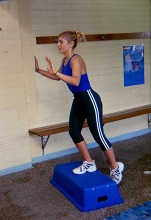 Describe the nature and scope of the Health and Fitness Industry.
- Discuss a range of modern lifestyle problems.
- Describe nutritional requirements for a well balanced diet.
- Determine appropriate dietary requirements for different demographic groups.
- Describe stress management strategies for different people.
- Outline basic preventative strategies and how they can be implemented.
- Evaluate the usefulness of alternative medical practices in treating and preventing illness.
- Recommend first aid practices appropriate to a range of problems.
What You Will Do In This Course
This course aims to develop an understanding of health and wellbeing that can be applied to design a personal fitness program. Below is a list of some activities and tasks that you will complete in this course:
- Create a resource file of health and fitness related businesses, contacts, services etc.
- Interview people to learn how they rate their health and fitness and what they do improve/maintain them.
- Identify ways to overcome a health/fitness problem in your own life.
- Identify different food allergies and ways to deal with them.
- Identify eating and nutritional disorders and describe possible treatments.
- Explain how age, level of activity, gender and other factors affect their dietary needs.
- Explain the principle of food combining.
- List the effects of alcohol abuse.
- Explain how high self esteem is achieved, and consider positive and negative effects.
- Identify services in your area that offer natural therapies and what they entail.
- Find out what first aid courses are available in your region, and what is entailed.
- List items that should be kept in a basic first aid kit.
- Describe the procedure for dealing with a broken bone.
Improve Your Wellbeing at Work
There are various ways that we can help to improve our well-being. This will depend on the organisation, not all will offer all of these things, but these are just suggestions –
- Massage chairs can be a useful, quick way to de-stress.
- Visiting masseuse/masseur – Some firms may have people come in at certain times, such as lunch times and offer massages to reduce stress.
- Games room – many people find computer games or games such as snooker, pool, table tennis a useful way to distress. Having a games room can be a good way to do this.
- Depending on the firm, some will offer the services of a counsellor. For example, if you worked for an organisation dealing with tense situations or you were a counsellor, then a counsellor might also be offered for staff as a way to debrief and de-stress.
- A supervisor or manager may also be available to help staff discuss any issues or find techniques to reduce their stress levels.
- Reduce working hours – sometimes the amount of hours a person works can be stressful. Trying to fit in too much work can cause stress. Helping a person to reduce their work load or reduce the amount of time they are at work by being better organised can reduce stress levels.
- Changing tasks – sometimes we can become very stressed with a certain task. It might be time consuming or difficult. We might start to make mistakes, not be able to find a solution. Taking a break from the task and doing something else or just going for a quick cup of coffee or a chat with someone else can actually help us step back from the task, then come back refreshed – looking at it with fresh eyes.
- Changing routines can have a similar effect. We may have had a routine of how we work for a long time, but it may not necessarily work. It can help to look at how we work, our routines and think whether there are other options. Instead of checking emails all day, why not only check them at set times? Do more complicated work when you are at your best – if you are a morning person, this might be the morning. If you work better after lunch, then this could be your time.
- Take a holiday. If work is getting too much for you, take some time off. You don’t have to literally go away on holiday, you could take a day or so off and spend some time at home doing something different.
- Look at your work environment – is that stressful? Is your desk cluttered with papers? Is there piles of filing? Can you change your work environment? If you find clutter stressful, tidy it up. Piles of paper everywhere can be stressful, planning in your day to file your work or organise it better can make you feel more organised and therefore less stressed.
Sometimes it is just a case of moving away from any stressful situation and looking at it with fresh eyes. Here we have just looked at some ways of improving wellbeing at work. Some of the approaches mentioned here, such as taking a break or considering your environment can also have positive benefits at home. By stepping back, we might be able to see where something is going wrong and how we can change that.
Studying with ACS
Studying by distance learning does not mean that you are alone in your studies or that you will learn less than you would in a classroom. We believe in providing you with individual tutor feedback from your assignments, plus full support throughout your studies - meaning you can contact your tutor with any questions. Depending upon the course you are taking, your studies will also include practical elements enabling you to apply what you are learning.
Student Comment
We invite feedback from our students and include many of the comments in our testimonials page.
" I have never found the staff at any other learning institution as supportive as the staff at ACS. This gives one a lot of peace of mind and confidence to go on - at every squeak from my side, you guys have always been there, immediately to sort me out. The feedback on my lessons has always been really good and meaningful and an important source of my learning. Thanks!..."
- Student with ACS
Contact Us With Any Questions
You can enrol on our Health and Wellbeing course today. Or, if you have any questions about our courses please get in touch by -
Phone (UK) 01384 442752, or (International) +44 (0) 1384 442752, or
Connect with our specialist tutors, use our FREE COURSE COUNSELLING SERVICE.