Study garden design, landscaping, soils, plant identification and culture and more with this course.
Garden Design can be a fascinating and attractive area to work in, but to be successful you need detailed knowledge covering all of the aspects involved. This detailed qualification aims to do just that, offering students the opportunity to:
- Learn the principles of garden design.
- Learn how to identify plants, cultivation, pruning and maintenance.
- Understand soils and soil nutrition.
- Study techniques for establishing plants.
- Study the principles of garden, park and trail design and learn how analyse a site, and draw and develop plans.
- Learn about landscape construction.
- Learn about irrigation and drainage.
- Develop skills for costing and dealing with clients, and much more.
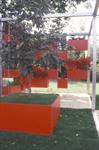 Garden design offers a fascinating combination of science and art. Understanding principles of good horticulture allied to developing the ability to produce good designs will provide graduates of this course with a very strong foundation of knowledge to apply in their career or business aspirations. A design project completes the Certificate In Garden Design, enabling students to apply their learning and demonstrate the skills and knowledge acquired through their studies.
The Certificate In Garden Design has been developed by our Principal, John Mason, together with a team of highly qualified landscape and horticulture professionals with experience across the world.
Mr. Mason has worked in landscaping since the 1970's, is an author of dozens of horticulture and landscape book, editor of garden magazines and has been made a fellow of both the Institute of Horticulture in the UK, and of the Australian Institute of Horticulture.
Tutors include Maggie Brown (formerly Education Officer, HDRA, Chelsea Gold Medal Winner), Rosemary Davies (Garden Writer, editor, consultant), Diana Cole (Garden Designer).
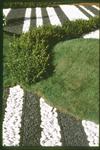 The Certificate In Garden Design was introduced in the 1980's and is revised regularly to ensure that its content remains relevant and up-to-date. With input from specialists from different countries it is able to provide our students with information covering different climates, and presents them with a broader perspective on different garden styles and horticultural techniques. In addition to accessing a wide variety of resources, students will benefit from the one to one tutoring by a highly qualified and experienced specialist.
COURSE STRUCTURE AND CONTENT
Course Duration: 600 hours.
Start Date: Start at any time - study at a pace that suits you, and with full tutor support for the duration of your studies. This means you can continue working whilst you study.
Content: The Certificate In Garden Design comprises 30 lessons, covering: Introduction to Landscaping; Plant Identification; History of Gardening; Drawing Plans; Soils & Nutrition; Understanding the Environment; Earthworks & Surveying; Basic Landscape Construction; Surfacings; Garden Structures; Park Design; Home Garden Design; Costing & Specifications; Trail Design; Tools & Machinery; Plant Establishment Techniques; Ponds & Pools; Rockwork & Masonry; Lawn Construction Techniques; Irrigation Design & Installation; Bush Garden Design; Cottage Garden Design; Playground Design; Garden Bed Design; Management
Land Rehabilitation; Drainage; Maintenance; Dealing with Clients; Major Design Project.
A summary of the content for each lesson is shown below.
Lesson 1. Introduction to Landscaping
Scope and Nature; Principles of Landscape Design; Design Elements; Creating Landscape Effects; Using Space; Making a Small Garden Look Larger; Choosing Plants; Using Colour; Decorative Touches; Light and Colour; Pre-Planning Information; Healthy Gardens.
Lesson 2. Plant Identification
Plant Classification and Taxonomic Hierarchy; Binomial System; Botanical Classification; Phyla, Classes, Families; Genus, Species, Hybrids, Cultivars; Differentiating important Ornamental Plant Families: A basis for learning plant names; Plant Culture; Garden Renovation: Methodology and Tasks; Pruning; Weed Management; Dealing with Plant Problems.
Lesson 3. History of Gardening
Formal, Informal and Natural Gardens; Garden Styles; Japanese Gardens; Naturalistic, Eclectic, Permaculture, Minimalist Gardens; Gardens Through Time: Ancient Middle Eastern, Chinese, Roman, Spanish, Monastery, Elizabethan, etc.; Recent Influences: Le Notre, Rose, Brown, Kent, Jekyll, Burle Marx, etc.; Some Modern Trends; Bush Gardens, Permaculture Gardens.
Lesson 4. Drawing Plans
Elements of a Drawn Garden; Scale; What to Draw With; Lettering; Landscape Symbols; Design Procedure; Step by Step Drawing a Plan; Introducing Computer Aided Design.
Lesson 5. Soils and Nutrition
Importance of Soil; Soil Composition, Texture, Horizons; Naming a Soil; Improving Soils; Landscape Supplies; Terminology.
Lesson 6. Understanding the Environment
Ecological Concepts; The Ecosystem – Abiotic and Biotic Components; Environmental Influences on Soil Production; Types of Australian Flora: Indo Melanesian, Antarctic, Australian Sclerophyl; Review of Australian Plant Families
Lesson 7. Earthworks and Surveying
Moving Existing Earth; Settling Soil; Soil Degradation; Erosion; Soil Compaction; Chemical Residues; Basic Surveying; Triangulation; Slope; Levelling Terminology; Levelling Procedure; Earthworks Calculations; Using Triangles; Horizontal Measurements; Horizontal Angles.
Lesson 8. Basic Landscape Construction
Specifications and Contracts; Contract Terminology; Drainage and Erosion; Walling; Rockeries; Steps; Types of Playgrounds; Making Stable Mounds.
Lesson 9. Surfacing
Gradients; Surface Materials (gravel, mulch, lawn etc.); Choosing the Appropriate Lawn; Pavers, Stone and Gravels; Types of Paving Materials; Methods for Laying Pavers; Concrete; Gravel; Asphalt; Coloured Surfaces; Artificial Sports Surfaces; Substrates; Performance Considerations.
Lesson 10. Garden Structures
Understanding and Designing Garden Rooms; Furnishing a Garden Room; Sculpture; Walls; Mirrors; Water; Fountains and Water Displays; Feature Pots; Container Plants; Layout Problems with Garden Structures; Motorised Vehicle Parks; Skate Facilities; Outdoor Furniture.
Lesson 11. Park Design
User Friendly Gardens (seating, shelter, fragrant plants, etc.); Recreational Landscaping; Park Design Criteria; Playgrounds; Making Community Participation Work.
Lesson 12. Home Garden Design
The Entrance; Designing a Front Garden; Scale in a Design; Techniques to Maintain Scale; Creating Space in Small Gardens; Garden Features for Small Gardens; Outdoor Living Areas (patios, seating, garden structures, etc.); Pool Areas; Barriers; Fences.
Lesson 13. Costing and Specifications
Buying Plants: What To Look For; Cost of Garden Maintenance; Expensive Areas in Gardens (lawns, containers, annuals, vegetables etc.); Less Expensive to Maintain Areas (shrubberies, paving, natural bush areas etc.); Costing Jobs; The Market for Landscape Contractors (government sector, developers, commercial sector, private sector).
Lesson 14. Trail Design and Sporting Facilities
Paths; Advantages and Disadvantages of Gravel and Bark Paths; Planting in Paving; Trails; Designing a Trail; Trail Types (environmental, fun and fitness, sensory, cryptic); Design of Sporting Facilities (slope, gradient, dimensions); Sports Courts.
Lesson 15. Tools and Machinery
Choosing the Right Tools; Manual Tools and Equipment; Rakes; Spades and Shovels; Wheelbarrows; Rollers; Sprayers; Tool Maintenance; Manual Handling; Power Tools; Safety and Maintenance with Power Tools; Chain Saws; Mulchers; Rotary Hoes; Tractors and Tractor Mounted Equipment; Buying Equipment.
Lesson 16. Plant Establishment Techniques
Timing; Soil Preparation; Plant and Pot Size; Planting Technique; Establishing Trees; Physical Plant Protection (staking, frost protection, protecting from animals, etc.).
Lesson 17. Ponds and Pools
Types of Ponds; Position, Water Quality, Depth etc.; Water Effects; Finishing Touches; Planning a Water Garden; Alternative Types of Construction; Aesthetic Affects; Plants for Water Gardens (oxygenating plants, deep water plants, edge plants etc.).
Lesson 18. Rockwork and Masonry
Building Rock Walls; Dry Stone Walls; Wet Walls; Retaining Walls; Concrete (mixing, reinforcing, rodding, etc.); Rockeries; Making Artificial Rocks; Coloured Pebbles and Gravel.
Lesson 19. Lawn Construction Techniques
Common Turf Varieties; Selecting Turf for Lawns (what to grow where); Wild Flower Meadows; Turf Establishment; Soil Preparation (seeding, sodding, stolonising, plugging, etc.); Mowing and Fertilising Turf.
Lesson 20. Irrigation Design and Installation
Planning an Irrigation System; Micro Irrigation; Sprinkler Irrigation; Using a Watering System; Automated Systems; Maintenance of Irrigation Systems.
Lesson 21. Bush Garden Design
Scope and Nature; Birds in a Garden (attracting, feeding, etc.).
Lesson 22. Cottage Garden Design
Scope and Nature; Components; Paths and Fences in a Cottage Garden.
Lesson 23. Playground Design
Planning for Play; Playing at Home; Play Equipment (sand pit, cubbies, swings etc.).
Lesson 24. Garden Bed Design
Making Garden Beds (size, shape, edges, topography, soil, surfacing, irrigation); Raised Beds; Sunken Beds; No Dig Beds; Plant Application (trees, shrubs, ground cover); Aesthetic Criteria in Garden Bed Design (line, form, texture, colour, balance, repetition, etc.); Procedure for Planting Design.
Lesson 25. Management
Scope and Nature of Office Work; Office Equipment (selection and use); Information Technology; Business Letters; The Law and Business; Work Scheduling.
Lesson 26. Land Rehabilitation
Soil Degradation; Earth Works - Different Types of Equipment (Cat, Rotary Hoe, Dozer, etc.); Importing or Improving Soil; Plant Establishing Techniques (pocket planting, slope serration, wattling, etc.); Planting Arid Sites.
Lesson 27. Drainage
Scope and Nature of Drainage; Sub Surface or Surface Drainage; Types of Sub Surface Drains; Water Outlet.
Lesson 28. Maintenance
Maintenance Decisions; Making Compromises Between Costs and Garden Style;
Construction Decisions; Design for Minimising Pests; Using Timber in a Garden; Choosing a Timber; Managing Termites; Wood Preservatives; Keeping a Garden Clean; Garden Maintenance Equipment; Designing for Low Maintenance; Review of Garden Pests and Diseases.
Lesson 29. Dealing with Clients
Effective Communication Skills; Awareness; Reactive Patterns; Understanding; Communication Processes; Introduction to Marketing; Making Contact with Potential Clients (communicating, then convincing); Writing an Advertisement or Promotion; Effective Selling; Cost and Clients; Garden Investments.
Lesson 30. Major Garden Design Project
LEARNING AIMS
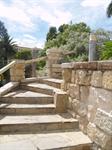 Discuss the principles Garden Design.
- Develop a foundation for systematic identification of plants and systematic determination of cultural requirements.
- Develop an awareness of different styles of gardening, principally through the study of the history of gardening.
- Develop the basic skills of landscape drawing as well as developing a basic understanding of contracts and specifications.
- Identify soil conditions appropriate for a garden design.
- Identify and properly account for environmental conditions within a garden design.
- Determine earthworks required for a garden design.
- Consider the relationship between design and construction when designing a garden.
- Determine appropriate surfacing for different gardens.
- Determine appropriate garden structures for a garden.
- Evaluate the functionality of a park design.
- Evaluate the design of a home garden.
- Develop an appreciation for the impact that design can have on the cost of a garden.
- Discuss the functionality and design of surfaced areas in a garden or park, including paths, trails and sporting facilities.
- Discuss the scope and nature of tools used to landscape gardens.
- Discuss ways that plants may be better established.
- Discuss the design of water gardens.
- Discuss the use of Rock, Stone, Brick and Concrete in garden designs.
- Discuss the appropriate use of lawns in garden designs.
- Discuss the appropriate use of irrigation in garden designs.
- Discuss the design of natural gardens.
- Discuss the design of cottage gardens.
- Discuss the design of children’s play areas.
- Discuss the design of garden beds.
- Identify Management skills required to be a commercially viable garden designer.
- Explain methods of rehabilitation of degraded landscapes.
- Explain methods of dealing with drainage problems in a garden design.
- Discuss the relationship between garden design and maintenance.
- Explain how a garden designer should successfully deal with clients.
- Prepare a significant garden design.
EXAMPLES OF TASKS UNDERTAKEN IN THIS COURSE
The following are some of the activities that you will undertake in this course.
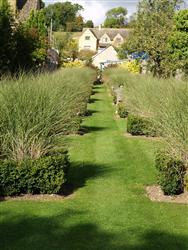 Select a site to be landscaped. (It could be a park or home garden; it could be a new development or a redevelopment of an older garden). Visit the site and record pre-planning information required to design the landscape.
- Find five examples of the use of landscape principles. Using sketches and written descriptions, describe the way the garden has been laid out in order to achieve those particular effects.
- Find gardens which represent three different styles. Submit a photograph or sketch plan of each along with a half page written description of the style of the garden. Explain any historical influences, including the influence of those who build to owned the garden. The gardens may be gardens you have actually visited, or can be gardens you have seen in a magazine or book.
- Copy the drawings of symbols (i.e. drawings which show you how to represent plants, walls, rocks, etc. when you draw plans). Practice drawing these various components of a landscape.
- Using the pre-planning information collected, produce a design for that area. or part of that area.
- Take a sample of soil and name it using the test given.
- Obtain components of potting or soil mixes; make up different mixes and test their characteristics.
- Survey an area requiring earthmoving. Draw a plan of the area, to scale, showing the area to be excavated.
- Find, observe & report on some bad landscape construction work.
- Find examples of bad selection of surfaces in a landscape. Describe the material used and explain why they are bad. Consider both the aesthetic and functional qualities of the surfacing.
- Develop a redevelopment plan for an existing park. Submit a photograph of the park as it exists at the moment. Prepare a design for redevelopment in line with the suggested changes.
- Choose an established home garden, and draw a sketch plan as the garden exists. Explain how well do you think this garden is designed.
- Find another home garden, needing either a new design or redevelopment. Prepare four rough sketches showing the stages you would go through in designing or redesigning that particular garden.
- Develop a detailed costing plan.
Show the various components of the costing and explain how and why you costed it this way rather than higher or lower.
- Design a trail. It can be any type of trail (fun & fitness, nature, history, etc.) and may be located anywhere (a street, park, home garden, etc).
- Find and visit some recently landscaped gardens (completed within the last 4 months). Visit up to three different properties. Take note of any problems with the maintenance. Consider what could have been done to prevent these problems occurring.
- Design a perennial border along the front wall of a brick house.
- Prepare a plan for the establishment of a large number of trees in a degraded area. This plan should cover at least 5 years. You should indicate clearly what the problem is and how you are going to use the trees to help rehabilitate the area.
- Design a water feature (e.g. a pond or creek bed) for a bush or natural garden. Submit plans and a step by step description showing how you would construct such a water feature.
- Design a rockery area for a bush garden.
- Design a natural garden using mainly ferns, for a small courtyard of specified dimensions.
HOW THE COURSE WORKS
You can start the course at any time.
It is studied by distance learning, so you can study in the comfort of your own home. But this doesn't mean you are all alone in your studies. Our highly qualified and friendly tutors are there to help you every step of the way. If you have any questions at all, they are always happy to help.
Each lesson includes set tasks, and is completed with an assignment which the student submits to their course tutor. The tutor will mark the assignment and return this to the student with comments and suggestions for further reading.
HOW THE CERTIFICATE IN GARDEN DESIGN IS ASSESSED
The Certificate requires around 600 hours of study. This is made up of 30 lessons.
To pass the course, students are required to:–
- Pass all assignments. There will be an assignment at the end of each lesson to submit to your tutor for marking and feedback.
- Pass two 1 1/2 hour examinations – these are undertaken upon completion of lesson 15 and lesson 30. These can be arranged at a time and location to suit you.
WHY STUDY THE CERTIFICATE IN GARDEN DESIGN?
- Extensive - The course covers horticultural practices and educates the student on plant selection, growth, and maintenance as well as the elements of garden design. This provides graduates with a solid foundation of knowledge and gives them the ability to approach jobs and clients with confidence.
- Relevant - The course has been written and is taught by experienced professionals, this provides the student with a high quality of teaching and support.
- Flexible - You can start the course at any time and study at your own pace, students can therefore continue to work and earn whilst studying.
- Study Options - Students can choose from online or eLearning (USB stick) options, meaning they can determine where they want to study and select the style of study accordingly.
TUTOR COMMENT
“People working in garden design or as landscape gardeners will find this to be a very comprehensive course. Not only will you learn about construction techniques, garden features, and landscape detailing, but you will also learn how to draw plans and design different types of gardens. Add to that plant, soil, and maintenance knowledge, and you can appreciate the diversity and completeness of this compelling course.” Jacinda Cole MSC, BSc, Cert. Garden Design, ACS Tutor
OPPORTUNITIES FOR GRADUATES
This course may lead to the following business or employment opportunities:
- Starting your own business in landscaping.
- Working for a landscaper, or in a nursery or garden centre.
- Work as a gardener.
- A hobby gardener looking to turn a passion into a profession.
- A substantial step forward in their further education, perhaps leading to a diploma.
Enrol to discover the principles of outstanding garden design.
QUESTIONS?
It's easy to enrol - simply go to the box at the top right-hand side of this page. If you have any QUESTIONS on the Certificate In Garden Design or are not sure what course will suit you, please get in touch with our specialist horticulture tutors using our FREE COURSE COUNSELLING SERVICE, they will be happy to guide you.
How to Control the Cost of Developing a Garden
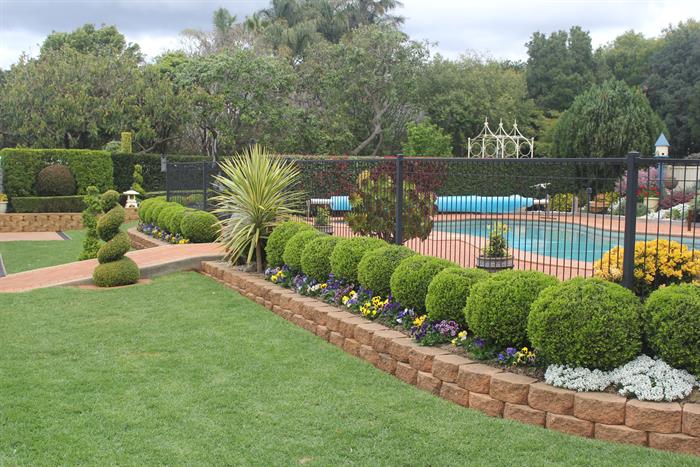
Landscapers work for clients, and just like everything else in this world costs matter.
- Costs matter to the client, because they will more often than not have a limited budget.
- Costs matter to the landscaper, because unforeseen costs can rapidly change a profitable job into an unprofitable one.
Gardens can be deceptive when it comes to spending money. Money spent wisely in a garden can be a worthwhile investment that will actually increase the value of a property, well beyond the amount of money you spend. On the other hand, it is also easy to make inappropriate choices and end up spending far more than you planned on, or make mistakes that might be expensive to rectify later on.
There are choices to be made at every step of gardening - from initial planning and design, to development, through to routine maintenance, and cost is a factor that should be considered each time a decision is made.
Planning
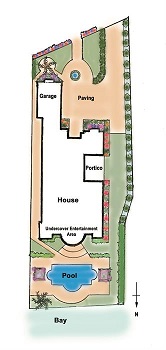 There are two main choices for property owners:
- Do it themselves.
- Get a professional designer to do it.
The first option is definitely cheaper; however, if they don't know much about plants, soil, landscape construction, or planning regulations, it is best to select the second option. Costs for a professional designer vary depending on the size and type of service.
Spending a little on hiring a good designer can save a lot in the long term, including reducing the likelihood of costly mistakes such as poor selection of a plant which can result in many dollars in damage in years to come when roots invade your foundations or when a retaining wall falls over. This will also ensure that safety is considered and that the garden should look pleasing and be functional.
The Next Step
When a finished design is in place, construction costs need to be established.
Consider what are the costs to build a garden, in terms of materials, labour, equipment, etc.
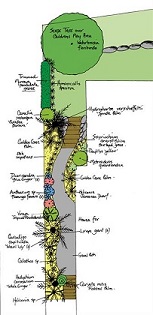 In some cases cheaper alternatives may work just as well without compromising the quality of the design. Make sure when doing this that you also consider likely long term maintenance, or repair/replacement costs. A little money saved by cheaper alternatives at first may result in more cost in the long term (e.g. replacing or patching up things).
Garden Style versus Costs
Some types of gardens are cheaper to develop and maintain. For example a traditional formal or cottage garden may be considered as high maintenance, whereas permaculture or natural gardens would be considered low maintenance.
Why one style of garden may be easier to maintain than another, is usually based on the range of plants used as well as the overall design and layout of the garden.
A garden can be less costly to build and maintain if you make your choices wisely, and follow these rules:
- Assess the size of areas of lawn, as depending upon climate and location these generally require high levels of maintenance.
- Mulch all garden beds with the cheapest acceptable mulch in your locality.
- Put cardboard or paper under mulch to reduce the thickness required, this in turn reduces the cost outlay to buy mulch.
- Look for “seconds” in pavers (contact a paving or brick company).
- Avoid plants that are prone to pests or diseases, or that spread too much (requiring frequent pruning).
- Place deciduous trees in amongst other plants in garden beds so that leaf fall becomes leaf mulch. Do not place these types of plants over areas that need regular cleaning (e.g. paths, pools, decks, etc..).
- If planting a hedge use the same species as this will require uniform care.
- Slower growing hedges may take longer to establish, but might need less frequent pruning to keep maintained.
Construction Decisions
- Good quality products may cost a bit more to begin with, but tend to outlast cheaper alternatives over time.
- If building a retainer wall, the main options are stone, timber or interlocking blocks. If you build with stone or interlocking blocks, these well last a very long time; cost however, may be higher than timber. Treated timber may last a long time and require little maintenance.
- If building a structure like a gazebo the main materials are timber or brick. Timber will be significantly cheaper and tends to look better in the garden, especially with a good coat of paint. (Note: all timber eventually needs to be repainted).
- Porous materials (such as some ceramic pavers, brick, etc) can increase maintenance for a garden. In some climates, these surfaces may discolour (eg. grow algae, etc) and will therefore need treatment.
- Paving and similar alternatives can offer a cheap alternative to lawns in the long term.
- Gravel in a landscape may be cheap or expensive depending on the grade and colour chosen. If surrounded with trees and plants, the maintenance will be high to eliminate plant debris. Gravel should always be used in contained areas where the gravel pieces do not spread over the lawn or into other sections of the garden.
- Mulch offers an excellent way to reduce water costs, fertiliser costs and weed control costs. Mulch can actually aid the health of nearby plants to assist them to fight off pests and diseases thereby reducing costs of pesticides and fungicides. There are many options available here and the best choice will depend on such things as the availability of different mulch materials in your location, their cost, and how long they last. For example in forestry areas, wood chips or pine bark may be cheaper, in some places straw mulch may be more common.
- Organic Mulches need to be topped up periodically as they decompose (or get spread) – this will depend on you climate and the depth of your mulch application.
Plant Decisions
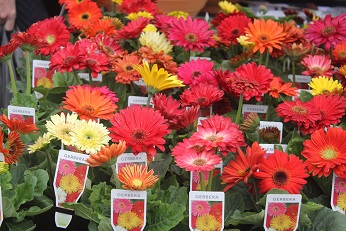 Select and use plants that help achieve the design requirements of the garden. The designer would have carefully selected plants and his/her decisions should be supported unless there are specific reasons not too (e.g. allergies).
To help reduce some costs consider these points:
- Use the same plants in hedges.
- Choose plants that will reach the desired height within reasonable time, not one that will reach it within two years and will require pruning every year after that.
- Select plants that have a good spread which means you need less plants to fill up the garden beds.
- Using smaller plants may be cheap to start with but it will take longer for the garden design to look decent; however, natives are best bought when small.
- Avoid plants that are prone to pests and diseases as these will require high maintenance and expensive sprays.
- Ensure plants are selected for the site and climate – you do not want plants that will struggle to survive, or that require a lot of care.
- Avoid plants that have a tendency to be weed-like (e.g. bamboos, self seeders, rampant creepers).
- Use plants that are naturally compact to reduce the need for pruning.
Understanding Garden Design
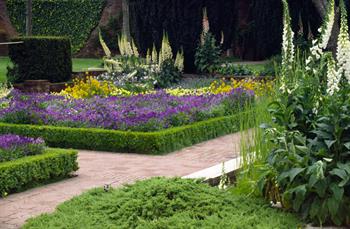 Landscape planning is both an art and a science. It's a process in which you need to consider the physical requirements of building a garden, and at the same time strive to create something which is artistic and pleasing to the eye. A good garden design is one that is appropriate to both the site, and the people who move through the garden.
Gardens that are inappropriate to their surroundings are never going to realise their full potential. For example:
- Big trees cause damage in small gardens.
- Small trees fail to make an impact in large spaces.
- Flood affected areas should not be filled with plants that are easily damaged by flood waters. Likewise, drought-sensitive plants should not be grown in dry places. You cannot oppose the forces of nature in these or any other ways.
- Sensitive plants and features should not be put into gardens where people or animals are going to cause damage.
When you plan a garden, make sure you think about the risks that it will face. Try to see the potential for the garden being damaged by the people who use it, and the people being ‘damaged’ by the things you put into the garden.
Garden Design is a Process
Once you have made your site analysis and decided what you want, it will be much easier to develop your plan.
- Take measurements of the garden. Include buildings, paths, important plants, etc.
- Use graph paper to draw a plan of the existing garden features. Make a few copies so that you can try experimenting with different designs. On one copy, include the direction of the sun, the views from the house, and any other important information from your site analysis. This will help you see the limitations of the site.
- Decide upon an overall design style or styles. It could be a cottage garden in the front and a native garden in the back. Alternatively, you could try an oriental style garden in the front and a formal garden around the backyard swimming pool. The possibilities are endless. You have to decide what style of garden suits the house, the site conditions, and your expectations.
- Take a long look and try to visualise the garden in your mind. Where do the segments or rooms that make up the different garden areas belong? If there is a shaded area behind the house, this could be used for a fernery. If you want to grow vegetables or herbs, you will need a sunny position.
- With a pencil and eraser use your graph paper to make drawings of possible garden designs. Don’t be afraid to experiment. The idea is to see what will work and what is impractical.
- Look at the drawings you have made and choose the best ideas. Combine these ideas into one final drawing.
LEARN MORE.
Choosing the right course is importatant - if you have any QUESTIONS on the Certificate In Garden Design or are not sure what course will suit you, please get in touch with our specialist horticulture tutors using our FREE COURSE COUNSELLING SERVICE, they will be happy to advise you.