Study aquaculture by distance learning.
Sources of wild ocean food resources continue to decline, coming under pressure from habitat destruction, global warming, and more. Aquaculture continues to grow in popularity and importance, providing an essential source of nutrition to the world.
This course is concerned with the culture, care and production of various freshwater aquatic species.
You will learn about:
- Production systems.
- Feeding.
- Harvesting.
- Health of fish.
- How to set up of an aquaculture venture, and more.
COURSE STRUCTURE AND LESSON CONTENT
Course Duration: 100 hours.
Start Date: Start at any time. Study anywhere. Receive expert tutor support throughout your studies.
Lessons: 10 lessons -
Lesson 1: Introduction to Aquaculture
- Scope and nature of freshwater aquaculture.
- Resources - references, organisations around the world.
- Equipment and material suppliers.
Lesson 2: Production Systems - EP and IP
- Open, semi closed and closed systems.
- Extensive production.
- Intensive production.
- Water containment - earth, concrete, wood, brick, stone, fibre-glass, liners, etc.
- Dams and Water Storage - siting, site.
Lesson 3: What Species to Farm
- Selection criteria.
- Climate.
- Water resources.
- Finance.
- Scale of operation.
- Other resources: manpower, knowledge, support services, etc.
- Market demand and access.
- Ecological considerations.
- Risk Considerations.
- Review of different fish - reviews of many fish and other species suited to farming in Australia, the UK and other countries, including:
- Trout;
- Rainbow trout;
- Brown Trout;
- Bass;
- Catfish;
- Carp;
- Cod;
- River Blackfish;
- Marron;
- Algae.
Lesson 4: Trout
- Three main Trout species.
- Farming Trout.
- Water.
- Determining flow in source water.
- Water temperature.
- Water dissolved oxygen.
- Stocking rates for production pools.
- Spawning trout.
- Checking the fish.
- Stripping technique.
- Fertilisation of Ova.
- Hatching Ova.
- From hatch to free swimming stage.
- Feed.
- After free swim stage.
Lesson 5: Barramundi
- Industry perspective.
- Breeding and growth rates.
- Induced breeding - hormone injection.
- Growth.
- Fry management and after care.
- Grow out.
- Pond rearing for larvae.
- Barramundi diseases and parasites.
Lesson 6: Bass
- Varieties - Australian bass, American loudmouth, smallmouth.
- Habitat requirements - temperature, dissolved oxygen, pH.
- Natural spawning cycle.
- Controlled spawning.
- Harvesting.
Lesson 7: Freshwater Crayfish
- Scope and nature of crustacean aquaculture.
- Marron and Yabbie.
- Conditions - water, temperature, pH, salinity, dissolved oxygen, organic. loading, water clarity, pod size.
- Initial breeding stocks.
- Production potential.
- Stocking rates.
- Breeding.
- Growth.
- Feeding.
- Composts for Marron feeding.
- Red Claw.
- Yabbie.
- Spiny Freshwater Crayfish.
Lesson 8: Setting up a Fish Farm
- Land and water.
- Water requirements.
- Extensive production dams.
- Intensive production pools and raceways.
- Cages.
- Biological filtration systems.
- Filter efficiency.
- Clearing turbid water in dams.
- Protecting fish.
- Improving genetic quality of fish.
- Economics of establishing and running an aquaculture farm.
- Financial Management.
- Financial Institutions.
- Better planning.
- Economics.
- What to Plan for.
- Production.
- Marketing.
Lesson 9: Fish Foods & Feeding
- Scope and nature.
- Pelleted feed.
- Live feed.
- Brine shrimp.
- Daphnia.
- Worms.
- Night lights.
- Fishmeal.
- Oil meals.
- Fish food production.
- Beef heart.
- Legumes.
- Seafood and vegetable mix.
- Earthworm and Compost production.
Lesson 10: Harvesting
- Introduction.
- Harvesting techniques - seine nets, gill nets, traps, long lines, funnel trap, flyke trap, etc.
- Fish pumps.
- Mechanical graders.
- Fish health management.
- Review of diseases - salmonids, barramundi, trout, carp, etc.
COURSE AIMS
Upon completing this course, you will be able to explain -
- Different aquaculture production systems.
- The culture and care requirements of different types of fish suitable for aquaculture.
- Culture practices for freshwater crayfish.
- Different factors affecting the vigour of animals in an aquaculture farm.
- Methods used to manage freshwater animal populations, including feeding and harvesting.
You will develop the capacity to make informed management decisions for an aquaculture enterprise.
WHAT THE COURSE COVERS
Develop the capacity to -
- List the components of an aquaculture production system.
- Compare extensive production systems with intensive production systems.
- Assess the production systems used in three different aquaculture enterprises.
- Research and describe a successful aquaculture production system.
- List freshwater fish suitable for aquaculture in your region.
- List salt water fish suitable for aquaculture in your region.
- Describe the requirements for different commonly grown freshwater fish, including: Trout, Barramundi, Bass.
- Describe the requirements of one type of salt water fish which has commercial potential for farming.
- Distinguish, by labelling unlabelled diagrams, between visual characteristics of different freshwater crayfish, including: Marron, Red claw, Yabbie.
- Describe the cultural practices for different freshwater crayfish, including: Marron, Red claw, Yabbie.
- Explain how water quality may affect production in an aquaculture system.
- Explain different methods of treating water in aquaculture, including: Filtration, Aeration.
- Develop a list of criteria for selecting a site suitable for a specified freshwater aquaculture purpose.
- Explain how varying stocking rates can affect the condition of a specified type of animal in aquaculture.
- Compare the potential affects on aquaculture species, of different methods of containing water, including: Ponds constructed with liners; An earth dam; Concrete tanks; Flowing water; Still water.
- Compare various methods of feeding commercial species, including fish and crayfish, with reference to the type of food and the way it is delivered to the animals.
- Explain the importance of correct feed to the success of a specified aquaculture enterprise.
- Compare three different aquaculture feeds which are available commercially, with reference to: composition, appearance, appropriate applications.
- Compare different harvesting techniques with reference to: equipment required, time required, damage to animal.
- Describe how to construct different types of water storage facilities, including: Ponds constructed with liners; An earth dam; Concrete tanks.
- Prepare a detailed management system for one species suitable for aquaculture, including details of: Breeding; Rearing; Feeding; Harvesting; Marketing.
- Compare the advantages and disadvantages of aquaculture with those of other types of agricultural enterprises.
- Compile a list of different resources in the aquaculture industry including: Information sources; Equipment suppliers; Materials suppliers.
- Analyse aquaculture marketing systems, on both a national and international level.
- Evaluate the marketability of different specified types of aquaculture produce.
- Evaluate the viability of a proposed, specified aquaculture venture.
How to Set Up a Fish Farm
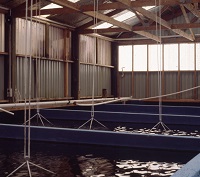
Before setting up a fish farm there are several considerations to ponder about in order to take the right decisions:
- You must first and foremost have access to appropriate water resources.
- The fish farmer then needs to determine what kind of species he is going to raise.
- Then he needs to decide if he will farm extensively or intensively. You have already come that far.
- Now you must look at what facilities are available for your chosen line of aquaculture.
- You must determine what the shortfalls in facilities, consumables and labour are likely to be and how best to meet these shortfalls.
- You need to give careful consideration regarding the legislation that applies to the water use in the area.
In some instances the fish farmer can own property that has water resources.
Another option is to hire water. Hiring water is certainly a less expensive way to go when one is testing or establishing a new business with a small capital. A little more stability is afforded when one becomes contracted to a single farmer. Many large farming operations have good water resources that can be efficiently used. Some of the more go-ahead farmers are willing to have their waters used on condition it does not interrupt their established farming operations.
Hiring water is usually done by paying a farmer a fee for the continued sole use of his dam for fish production as well as a fee per kilogram of fish taken. This ensures the landowner develops a vested interest in the fish production and the fish farmer enjoys some degree of protection. It has happened that water has been stocked and the farmer has not allowed the stocker to harvest the fish. Having a written agreement with the farmer whose water you are hiring is recommended and should include:
- An agreement to the sole rights to harvest all fish from the dam for three or four years after the last stocking.
- Free and unhindered access to the dam and its water at all times for the purpose of managing or harvesting it.
- That you will pay the landowner the agreed fee (state) at a set date each month or year (state).
You will need to give the farmer some guarantees also determine what his needs are and write them into the contract if you agree with them and they will not hinder your farming or marketing operations. For a fee, an attorney will draw up a document which you can have printed and available when needed.
Various nature conservation ordinances regulate the importation of fish and other organisms, their introduction into local waters, the degree to which locally occurring fish species are utilised, and many other aspects directly or indirectly affecting fish harvesting and/or farming. We recommend you consult your local conservation office and make sure what you plan to do is within the rules and regulations.
Who is This Course Suitable For?
This course is suitable for anyone wanting to develop a knowledge of aquaculture or improve and update their existing knowledge.
No knowledge of aquaculture is required to start the course.
Why Enrol in This Course?
- Gain detailed knowledge of the practice of aquaculture.
- Study at your own pace and at a location to suit you.
- Start your own aquaculture business or improve an existing one
- Improve your job and career prospects within aquaculture, or agriculture generally.
Any Questions?
If you have any questions about this course, or would like support to choose the best learning pathway for you, please get in touch with our specialist agriculture tutors. Our knowledgeable and friendly team are here to help make your educational, career and personal interest aspirations a reality!
To enrol or enquire, click the links provided at the top-right of this page..
Start your learning journey with ACS today!