Study the Management and Repair of Pastures
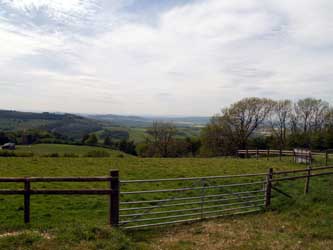 Learn to evaluate, design and make decisions about the management of pasture for different purposes.
Students studying Pasture Management will:
- Learn about different pasture types.
- Gain knowledge of the structure, growth and development of grasses.
- Be able to identify different grasses.
- Study the process of establishing new pastures.
- Understand the importance of legumes in pastures, and much more.
COURSE STRUCTURE AND CONTENT
Course Duration: 100 hours.
Start Date: Start at any time - study at a pace that suits you, and with full tutor support for the duration of your studies.
Lessons: The course comprises 8 lessons as outlined, below.
Lesson 1. Introduction to Pastures
Pasture Improvement. Choosing a Pasture Mix. Seed Coating. Variety Selection. Sustainability. Definitions.
Lesson 2. The Pasture Plant
Grasses. The grass plant. Growth and development. Phases of development. Annual and perennial grasses. Carbohydrate sinks. The physiology of grasses. The structure of grasses. Growth habits. Legumes.
Lesson 3. Pasture Varieties
Introduction to common pasture grasses. Identifying grasses. Legumes. The Importance of Legumes in Pasture. Nitrogen Fixation in Legumes. The Rhizobium bacteria. Common legumes. Grasses to Grow With Clovers.
Lesson 4. Site Considerations
Managing pastures. Choosing the Correct Site for a Pasture. Choosing the correct seed mix. Seed quality.
Lesson 5. Establishing New Pastures
Preparation of the land for pasture. Prepared seedbed. Sowing. Germination. Direct drilling. Weed control. Seeders. Grazing new pastures.
Lesson 6. Managing Existing Pastures
Native Grasses versus Pasture. Carrying Capacity of Native Grasses. Stocking Rate of Native Grass Areas. The Establishment of the Native Grasslands. The developing grasslands. How grasslands deteriorate. Factors promoting succession or retrogression. Limiting factors and terminal plant communities. Allogenic Factors. Autogenic Factors. Rests To Promote Rapid Growth. Rests to change the composition of the community. Rests designed to eliminate or control bush encroachment. Rests to accumulate grazing material. Rests to provide out of season fodder. Physiological aspects.
Lesson 7. Managing Stock on Pasture
Factors affecting food intake by animals. Animal factors. Feed factors. Grazing factors. Grazing behaviour. Complementary Grazing. Rank Order of Dominance. Selective Grazing. Ruminant Time. Herd Group Behaviour. Grazing Time. Pasture management principles - rest, grazing period, stocking, carrying capacity. Equal Utilisation or the Removal of the Top Hamper, paddock size, number in herd etc. Grassland management principles - Split - season Systems, Continuous Light Stocking, One Herd, Four Paddock System, Intensive systems etc. Horse pastures. Food trees and shrubs.
Lesson 8. Pasture Management Work Tasks
Fertilizer. Pest and weed control. Biological control. Advantages of Biological Methods. Disadvantages of Biological Methods. Irrigation. Fallowing. Cultivation. Pasture renovation. Managing pasture after drought. Managing pasture after fire.
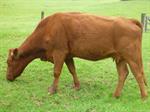 LEARNING AIMS
- Determine criteria for selecting appropriate varieties of plants for a pasture.
- Identify characteristics of a pasture plant which are relevant to both making an identification, and to considering its value as a pasture species.
- Evaluate the potential of given sites for pasture development programs
- Explain the procedures used in managing the establishment of pasture.
- Explain the techniques used in managing pasture which is already been established
- Assess the commercial and nutritional value of pasture species in the context of farm animal feed, and determine appropriate ways of managing stock.
- Develop an appropriate work program for the management of a pasture by a farmer.
WHAT THE COURSE COVERS
Here are just some of the things you will be doing:
- List factors that affect the choice of seed mix for a pasture.
- Categorise different pasture seed mixes according to application, detailing the components of each mix together, commenting on appropriate applications for that mix in the learners locality.
- Explain the benefits of seed coating for pasture establishment.
- Give and explain one example of why a dairy cow might perform differently when grazed on different types of pasture species?
- Compare samples of different pasture seed mixes.
- List three pasture species which would be appropriate to grow in each of the following situations: i) Dairy cattle on fertile, moist soil in your locality. ii) Beef steers on poorer soils in your region. iii) Horses for a horse riding school in your locality.
- List factors affecting the suitability of a site for pasture.
- Assess climatic and edaphic data for a specific pasture site, including - rainfall, temperature, topography, soil type.
- Explain weed control methods during pasture establishment on a specified site.
- Explain grazing practices appropriate to new pasture on a specified site.
- Write a plan for the establishment of new pasture on a specified site, which lists all important tasks in chronological order.
- Compare improved pasture with native pasture, with respect to: species present, weeds, maintenance requirements.
- Evaluate the production performance of two different specified pastures over a 3 year period.
- Identify several weeds that are significant problems in pasture
- Explain different methods of weed control in a specific established pasture.
- Quantify materials and supply requirements for pasture management.
- Develop a management plan for pasture in a specified situation, including a program of tasks to be carried out over a 12 month period.
- Explain industry research techniques and develop a conclusion.
WHY STUDY WITH ACS?
- Our courses are written and taught by experienced professionals, so you know you can expect a high quality of teaching and support.
- You can start the course at any time and study at your own pace.
- Fit your studies around your own busy lifestyle - we provide full tutor support for all the time you are studying.
- Study where you want to - online studies offer the flexibility for you to determine where and when you study.
Sample Course Notes - The Significance of Pastures
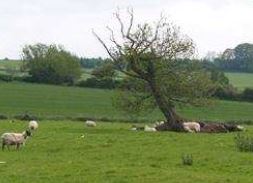 Every livestock farmer is first and foremost a pasture farmer. He may make use of the natural grasses or he may improve his pastures by planting special grasses. A good farmer recognises the different grasses and understands how to get the best out of them. He will be able to distinguish between desirable and undesirable plants and he will know the grazing habits of his stock.
The whole art of understanding and managing pastures is highly complex because there are so many parts to it and each of these parts constantly change. For example, there are a great many varieties of plants that are used for grazing in any one area. Each plant has its own rhythm and will react differently to environmental conditions and treatment.
Different stock will graze in a variety of ways. Sheep graze close but cannot handle long grass; goats browse on bushes while cattle eat long grass and are not as selective as sheep.
Natural pasture is also constantly changing and developing according to the environment and number and types of animals that graze it. The changes can be good or bad. They are not always noticeable as they can take place very slowly. There is no doubt that man and animals have the ability to make rapid and bad changes to our native pastures.
A further problem is that farmers rarely have one sort of pasture. Most farms will have some natural pasture and some improved pastures. The natural pasture is often a mix of grasses with some grasses suiting one type of animal and others that suit a different type of stock. The improved pastures on a farm are specially planted to provide grazing at various times of the year and so need quite different management.
By understanding all the different parts that affect grassland, a farmer can begin to effectively manage his most important resource - his grazing.
The distribution of pasture species is also limited by various climatic factors particularly:
- The soil type and class of land.
- Temperature.
- Rainfall.
- Seasonal variations in the length of daylight.
Pastures are critical to many types of farms. Farmers have been known to turn unprofitable farms into commercial successes by simply improving pasture. Whether dealing with small or large properties, pasture management is an important part of many types of farm enterprises. Learn to evaluate, design and make decisions about the management of pasture for different purposes.
Good Pasture Means Healthy and Productive Animals
The success or failure of the livestock farmer depends on his ability to provide good quality grazing for his stock. When a farmer relies on specially sown pastures, the establishment and management of these pastures should be approached with care and attention to detail. There is little difference between planting a cash crop such as sorghum and sowing pasture. The reason for planting both crops is to change the crop into money. The sorghum will be sold directly for cash. The grass will first be used by stock - they are then sold for income. The return made by the stock will depend on the quality of the grass.
There are several reasons why a planted pasture can fail. Below are some of the more common reasons:
- Incorrect choice of species.
- Poor land preparation.
- Sowing too little seed or seed of doubtful origin.
- No weed control before and after the seed emerges.
- Incorrect methods of establishing the pasture (e.g. sowing too deep or insufficient sub soil water).
- The impatience of the farmer.
Remember that these same principles will apply when growing pastures for environmental restoration purposes.
Pasture management is only one facet of the site management process. Short and long term goals need to be established, and a physical plan for the site should be determined, so that you approach the task in an organised manner. Wherever possible, physical planning should start with an aerial photograph. This can give you a better idea of the land classes, vegetation, water sources, and any land degradation problems that exist.
Who is this course suitable for?
This course is suitable for -
- anyone wanting to improve or update their knowledge of pasture management
- students wanting to begin a new career in agriculture, specialising in pasture management
- people already working in agriculture who want to improve their knowledge of pasture management
- students wanting to develop professionally
- smallholders who want to gain knowledge of pasture management
Any Questions?
If you have any questions at all, our pasture management tutors are more than happy to answer any questions about the course.
Any Questions?
Or