Poultry
Poultry Farming
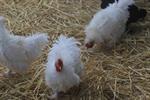 There is a high demand for affordable food products with a high nutritional value. People want more protein-rich foods as well as having a high vitamin content; and the nutritional value in eggs meets those expectations. Due to this high demand from today’s society, the egg production industry, whether its small scale or large scale, continues to grow rapidly.
Egg producers may choose to do the entire process in their plant (“in-line” production) or they may choose to process their eggs in one location and process them in another (“off-line” production).
It is important to take into account all types of operations that are involved when organising a commercial egg producing facility, as well as aspects such as:
- location,
- financing,
- breed/breeding,
- type and size of housing,
- flock health knowledge (diet and sanitation),
- the target market.
Due to a higher survival rate in intense conditions and to a better food conversion, factory farmers in today’s society prefer modern hybrids rather than pure poultry breeds.
Basic farm management generally involves the following processes:
- Controlling and maintaining all aspects of buildings and facilities onsite – these could be open to the public, closed to the public or both.
- Controlling and managing all animal husbandry processes – feeding, health care, general care.
- Understanding the needs of the poultry and tending to those through providing and maintaining adequate shelter and controlling the environment – e.g. guard dogs, fencing, undercover shelter, indoor, water systems and feed systems, temperature control, ventilation, transportation.
- Financial control of the farm processes.
- Knowledge of pasture management and poisoning and rodent control (if applicable in free range systems).
- Managing business processes, risk factors, stock control, marketing, and selling of produce.
- Staff employment and personnel management.
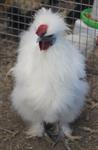 For egg production, the practice of killing day old male chicks by suffocation, crushing or mincing still takes place in many large scale poultry production businesses. The mass culling or slaughter of any animal, including poultry, should be undertaken in the most humane ways possible. We strongly oppose any action which inflicts any pain or distress on poultry, but for someone working in this industry this type of culling activity is a usual requirement of the role.
For example, in egg production, there was legislation which came into effect on 1 January 2012 to end the keeping of battery caged hens in European Union countries. Many countries still lag behind bringing forth the same or similar legislation. Commercial meat production is normally carried out by two parties – the processor provides the feed and veterinary care for the birds and the farmer provides the housing (shelter), water and electricity and care of the birds. The return for the farmer is paid as an agreed fee per bird.
Do You Want to Learn More About Poultry?
ACS have a number of different learning and study options for those interested in poultry. There is our 100 hour Poultry course which provides an introduction to the care and management of poultry. If you are looking at more advanced studies, or wish to study different areas of Agriculture, the Poultry module forms part of qualifications such as the Certificate In Agriculture and the Advanced Diploma In Agriculture - Animal Husbandry.
There are many different courses and options to consider. If you have any questions or would like to know more about studying Poultry, either as a 100 hour course or as part of other studies with ACS, please get in touch with us today. You can submit questions to our expert Agriculture tutors, or phone us on (UK) 01384 442752, or (International) +44 (0) 1384 442752.
[26/04/2024 16:07:06]
More from ACS
Directory to dozens of courses include short courses, certificates and diplomas.