Study the Concepts and Planning of Designing Gardens Using the Natural Environment
A natural garden frequently makes use of the indigenous flora, or native plants of a particular area. It might make use of other plants as well. Your choice of plants for a natural garden will largely depend upon what affect you are trying to achieve. To appear informal a natural garden should have curves rather than being angular; is informal rather than formal and tends to incorporate nature rather than manipulate it.
-
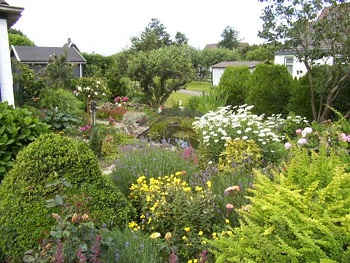 This course develops your understanding of how the natural environment works.
- Ten lessons cover the concept of natural garden design including how to produce concept and detailed plans, plus incorporate plants and landscape features into various types of natural gardens (eg. woodland gardens, desert gardens, wild gardens, indigenous plant gardens, etc).
COURSE STRUCTURE
There are 8 lessons in this course as follows:
1. Introduction to Natural, Wild and Bush Gardens
- What is a Natural Garden
- Natural Gardens in Different Countries
- Soils
- Mulches
- Resources
2. History of Natural, Wild and Bush Gardens
- Introduction
- History and contributors to the Natural Garden movement
- Theories of Natural Gardening
- History of Gardening
- Capability Brown
- Jeckyll
- Jens Jensen
- Margery Fish
- Edna Walling
- Ellis Stones
3. Developing Concept Plans
- Landscape Design Principles
- Qualities of Landscape Components
- Creating Effects
- Collecting Pre-Planning Details
- Drawing Plans
- Design Procedure
4. Plants for Natural Gardens
- Planting
- Plant Establishment
- Building Raised Beds
- Mulching
- Nutrition
- Plant Propagation, species variation, provenance seed source
- Plants for Temperate Wild Gardens
- Plant Maintenance
5. Planting Design in Natural Gardens
- Copying Nature
- Understanding Successions
- Planting Design
- Three Tier Planting
- Aesthetic Criteria for Planting Design
- Procedures for Planting Design
- Plant Application; trees, shrubs, ground covers, vines and creepers
- Natural Weed Control
- Invasive Plants
- Managing Plant Health
- Types of Natural Gardens
- Rainforest Gardens
- Meadow Gardens
- Woodland Gardens
- Desert Gardens
- Xeriscapes
6. Garden Features
- Pathways
- Ornamentation
- Walls
- Rockeries
- Artificial Rocks
- Terraces and Patios
- Drainage and Erosion
7. Natural Gardens Today
- Introduction
- Wildlife
- Landscaping a Wildlife Garden
- Birds, Reptiles, Mammals
- Ponds
- Attracting and Feeding Birds
- Considering Shaded Areas
- Ferns
8. Bringing It All Together.
- Massed Plantings
- Drifts
- Spotting feature plantings
- Geometric Plantings
AIMS
On completion of the course you should be able to do the following:
- Explain the concept of natural gardens.
- Prepare concept plans for different natural gardens.
- Plan the incorporation of appropriate plants into a natural garden design.
- Plan the appropriate incorporation of non-living landscape features in a natural garden.
- Produce detailed plans for a natural garden.
WHAT YOU WILL DO IN THIS COURSE
Here are just some of the things you may be doing:
- Explain the historical development of natural garden design, in your locality.
- Analyse plant inter-relationships within a specific natural environment (e.g. an area of bushland).
- Analyse the design of three natural gardens, in an essay illustrated with photographs or sketches.
- Explain, using illustrations, concepts of landscape design, showing their relevance to natural garden design, including: *Unity *Balance *Proportion *Harmony *Contrast *Rhythm *Line *Form *Mass *Space *Texture *Colour *Tone.
- Develop three alternative natural garden concept plans for the same specified site.
- Collect pre-planning information for a site for a proposed natural garden, by conducting a site survey, and interviewing a prospective client.
- Explain, through a sequence of illustrations, a logical process of developing a design for a natural garden, on a specific site surveyed by you.
- Prepare concept plans for two small natural gardens, including: *A rainforest garden *A sclerophyll garden.
- List fifty different plants suitable for use in a natural garden design, of a specific style on a specified site, in your locality.
- Explain compatibility considerations, when selecting different plants to include in the same natural garden design.
- Develop a nursery customer information sheet, to provide guidelines for planting design of a natural garden.
- Prepare a plant collection of fifty relevant plants, which includes: *A photo, drawing or pressed specimen of each plant *Plant names (scientific and common) *Cultural details *Uses/applications in garden design.
- Prepare planting designs for three different styles of low maintenance garden beds, between 30 and 60 square meters each in size, and using only Australian Native plants.
- Explain design options for six different landscape features in a natural garden, including: *Rockeries *Patios *Water features *Paths.
- Describe the characteristics, including: *Cost *Availability *Longevity *Appearance *Maintenance, of ten different landscape materials, suited for use in a natural garden design.
- Design a water feature for a natural garden, incorporating: *Concept drawings *Materials list *Cost estimates *Guidelines for construction.
- Explain, using illustrations, the structural design of a masonry garden wall.
- Explain, using illustrations, different appropriate applications for timber structures in a natural garden design.
- Prepare plans, including structural diagrams and materials lists, for the construction of different landscape features, which are appropriate for inclusion in a natural garden.
- Develop a design "Brief" for a natural garden, in consultation with a client, through an interview and site inspection.
- Design a natural garden of 200 to 500 square metres, including: *A landscape plan drawn on tracing paper *Materials specifications, including types and quantities, to suit a site surveyed by you, and emphasising one type of plant, such as ferns, wildflowers or sclerophyll type plants.
- Prepare a detailed professional standard plan for a natural garden of 500 to 2000 square metres, to an acceptable industry standard for a professional garden designer, which includes: *A landscape plan drawn on tracing paper *Materials specifications, including types and quantities.
- Explain the purpose behind decisions made by you in a natural garden designed by you.
WHAT NEXT?
Register to Study - Go to “It’s Easy to Enrol” box at the top of the page and you can enrol now.
or
Get Advice – Email us at info@acsedu.co.uk OR
Use our FREE COUNSELLING SERVICE to contact a tutor
CLICK TO CONTACT US