COURSE CONTENT
Start Date: Start at any time - study at a pace that suits you, and with full tutor support for the duration of your studies.
Lessons: The course comprises 10 lessons as detailed, below.
1. Scope and Nature of Carpentry
2. Carpentry Tools, Equipment, Materials and Safety
-
Hand Tools - saws, hammers, chisels drills, planes,screwdrivers, other tools.
-
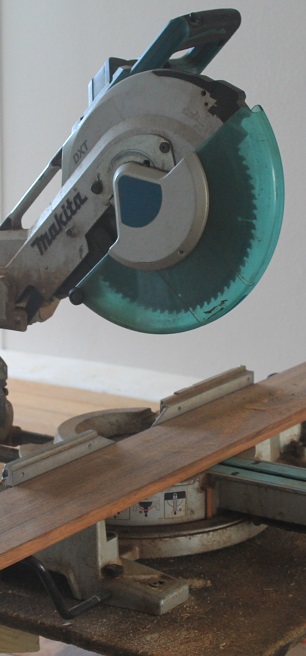
Power Tools - nail guns, saws, electric drills, planer, sander, router.
-
Materials - sandpaper, steel wool, nails, wood screws, glues, wood filler.
-
Safety.
-
Tool Maintenance.
-
Sharpening techniqes.
-
Sharpening tools -planes, chisels, saws.
-
Cutting and Joining Timber.
-
Storage - tool boxes.
-
Hiring tools.
3. Cutting and Joining Timber
-
Types of joints - edge, butt,angled, mitres, framing, dovetail, mortise and tenon, housing joints, halving joints, etc.
-
Nails.
-
Screws.
-
Staples, bolts, connectors, straps, corrugated fasteners, glues.
-
Glue blocks, dowels,biscuts, splines.
-
Cutting and shaping timber.
4. Small Carpentry Projects
5. Outside Construction
-
Choosing timber.
-
Pests - termites.
-
Timber preservatives.
-
Keeping timber off the ground.
-
Using timber in the garden.
-
Recycled timbers.
-
Outdoor furniture.
-
Building a wood deck.
-
Building a wood fence.
-
Where to build in the garden.
-
Constructing a wall with railway sleepers.
6. Constructing Small Buildings
-
Types of foundations.
-
Framing.
-
Roofing.
-
Building a wooden cabin.
-
Building a wood gazebo.
-
Building a cubby house.
7. Understanding House Construction
-
Timber framed buildings.
-
Timber floors.
-
Doors and door frames.
-
Door Construction.
-
Door frames.
-
Architraves and skirting.
-
Windows and frames - sash, sliding sash, casement, pivot, slat.
-
Roofs - single, double, trussed,etc.
8. Handyman Repair Work
-
Fitting a lock.
-
Repairing a sash window.
-
Fitting aqnd hanging doors.
-
Hanging a cupboard door.
-
Form work for concrete foundations.
-
Relaying floorboards.
-
Resurfacing timber floors.
-
Repairing a broken ledge and brace gate.
9. Finishing Wood
-
Creating smooth surfaces - using a plane, sanding, etc.
-
Paints, stains and varnishes.
-
Polyurethane.
-
Shellac.
-
French polishing.
-
Stains.
-
Paints - defects in painted surfaces, repainting.
-
Veneering.
-
Preparing outdoor surfaces.
-
Tips for outdoor finishes.
10. Planning and Setting Out a Project
-
Setting out.
-
Making a setting out rod.
-
Introduction to technical or trade drawing.
-
Drawing instruments.
-
Types of drawings - plans, sections, elevations, etc.
-
Setting out a technical drawing.
-
Building regulations.
-
Measuring up.
-
Working out quantities.
-
Preparing and surveying a site for construction.
COURSE AIMS
-
Describe the scope and nature of carpentry; differentiate between different timber products, and discuss the appropriate use of each.
-
Describe all significant carpentry tools and identify appropriate uses for each. Identify and manage risk in a carpentry workplace.
-
Describe a range of different techniques for cutting wood in a variety of different situations.
-
Describe and compare different techniques for joining wood.
-
Undertake a small carpentry project.
-
Explain construction of different things in an outdoor situation with wood, including fences, furniture and retaining walls.
-
Explain the construction of different types of small buildings which are constructed mainly with wood, including garden sheds, gazebos and cubbies.
-
Explain a range of common carpentry tasks that a handyman may need to undertake in routine maintenance and repair work.
-
Explain a range of different techniques for finishing wood.
-
Determine an appropriate approach for planning a timber construction project.
-
Explain how a site should be set out in preparation for a construction project.
FREQUENTLY ASKED QUESTIONS (FAQs)
Why study Carpentry?
Our online course in carpentry will help you:
- Enhance your job prospects in a range of industries like Construction, Manufacturing, Design, Art and Craft, Restoration and Preservation.
- Develop hands-on skills useful for a range of job opportunities.
- Gain a sense of accomplishment from completing a project.
- Design and build custom furniture or other items from timber.
- Get practical skills that you can apply in everyday life, such as repairing furniture, home renovations, and constructing fences.
- You could use the experience and skills you get to start a business, take on freelance work, or work as an independent contractor.
What is the course duration and format?
There are 10 lessons.
- Each lesson includes experiential tasks, a self-assessment test, and a written assignment.
- There are also a couple of woodwork projects built into the course where students get to choose what to make.
- Assignments and projects are marked by our expert tutors and returned with written feedback.
- The course is self-paced and can be completed in approximately 10 weeks.
- There is an optional exam upon completion of the course.
What are benefits of this course?
Our carpentry course can help you:
- Get access to expert instructors with university qualifications and years of experience in carpentry.
- Learn more cost-effectively, saving money on transport, accommodation and other expenses.
- Online learning means you can review and revisit course material as often as you like, helping to reinforce learning and improve retention.
- Flexible learning means you can study wherever you want, whenever you want.
How long can I access course materials?
For as long as you need. We don't have a cut-off date. You can continue to access your course indefinitely. This is one of the ways we are different. We are here for you for as long as you need us to be.
What are outcomes of this course?
This course can help you:
- Advance your career or get a foundation towards starting a new career.
- Get experience operating various hand and power tools, such as saws, drills, and sanders.
- Develop skills like measuring, cutting, joining and finishing.
- Gain knowledge of various materials, such as timber, composites, and engineered wood.
- Manage and complete projects, including planning, measuring up, understanding technical drawings, and costing.
Can I use this course as a credit toward a qualification?
Yes. This can be used as a module in a variety of certificates and diplomas with ACS or in a degree with one of our affiliate partners, Warnborough College.
Various other universities and colleges around the world have also assessed and given credits for our courses in degrees.
Who is this course for?
The course is suitable for people working in:
- Construction and building trades e.g. Carpenter, Builder, Construction Manager, Project Manager
- Furniture making and cabinetry e.g. Furniture Maker, Cabinetmaker, Woodworker, Furniture restorer
- Design and architecture e.g. Architect, Interior Designer, Furniture Designer, Product Designer
- Crafts and artisanal industries e.g. Woodcarver, Woodturner, Sculptor, Artisan
- Restoration and preservation e.g. Preservationist, Restoration Specialist, Conservator, Museum Technician
- Education and training e.g. Carpentry Tutor, Carpentry Instructor, Vocational Teacher, Technical Educator, Training Coordinator
- Entrepreneurship and small business e.g. Owner/Operator of a Carpentry Business, Contractor, Freelance Carpenter, Small Business Owner
- DIYers e.g. Home Renovators, DIY Enthusiasts, Handypersons
- Anyone wishing to gain practical skills that improve their manual dexterity, problem solving ability, and creativity.
LEARN MORE
Enrolling is easy - just go to the box at the top right-hand side of this page.
You can Phone us now with any questions on (UK) 01384 442752 or (International) +44 (0) 1384 442752
or email us at info@acsedu.co.uk
If you have any questions, or need help in choosing the right course for you, please do get in touch with us - connect with our expert tutors, use our FREE COURSE COUNSELLING SERVICE.
|