COURSE CONTENT
This course has ten lessons.
1. Crop Production Systems
- Scope and nature of horticultural crops
- Reasons for growing; subsistence or for market
- Developing reliable resource information
- Types of Cropping –row cropping, broadacre, hydroponics, container growing, etc
- Monoculture vs Polyculture
- Citrus
- Berry Fruits
- Nuts
- Vines
- Pome Fruits
- Stone Fruits
- Vegetables
- Cut Flowers
- Nursery Crops
- Fibres
- Oils Seeds
- Other Crops
- Review of six different crops
2. Organic Production of Crops
- Defining organics
- Organic certification systems
- Organic culture techniques
- Composting
- Factors that affect Nitrogen release from organic sources
- Mycorrhizae affect on plants
- Non mycorrhizal plants
- Crop rotation
- Using Legumes for soil improvement –nitrogen fixation
- Rhizobium bacteria
- Review of six different crops
3. Soils and Nutrition
- Understanding soil composition and structure
- Soil structure –types of particles (gravel, sand, silt, colloids)
- Peds
- Water and Air
- Soil Temperature
- Soil Life –earthworms, bacteria, mycorrhizae
- Improving soils
- Sampling soils for testing
- Naming a soil type
- Soil problems
- Loss of soil fertility –causes, implications, control
- Erosion–causes, implications, control
- Salinity –causes, implications, control
- Soil compaction –causes, implications, control
- Soil acidification –causes, implications, control
- Build up of dangerous chemicals –causes, implications, control
- Increasing organic matter
- Phytotoxicity
- Adding non organic materials to soil –lime, sulphur, gypsum, etc
- Cation exchange capacity
- Ph –acidity and alkalinity
- Nutrient availability
- Conductivity
- Salinity
- Plant Nutrition
- Choosing a fertiliser
- Total salts
- Diagnosis of nutrient problems
- Natural Fertilisers
- Manures
- Blood and bone
- Rock dusts
- Seaweed
- Review of six different crops
4. Producing Nursery Plants
- Container or Field Growing
- The Process -Propagation, Transplanting, Growing on, Marketing
- Growing in containers
- In ground nursery production
- Propagation in the nursery –seed, cuttings
- Potting up methods -manual and mechanical
- Choosing cultivars to grow and how to grow.
- Nursery Standards
- Cost Efficiencies
- Quality control
- Starting a production nursery
- Revamping an existing nursery
- Scope and nature of different plant products
- Review of six different crops
5. Orchard Fruit Production
- Scope of tree fruits –deciduous and evergreen
- Site selection for an orchard or plantation
- Rootstocks
- Field preparation
- Production and training systems
- Understanding Pollination
- Understanding chilling requirements
- Grading the harvest
- Mechanised grading
- Grading in different countries
- Post harvest handling equipment
- Review of six different crops
6. Soft Fruits Production
- Scope –berries, bush and vines.
- Growing grapes
- Selecting a site for grapes
- Climatic effects on grapes
- Harvesting and marketing grape production
- Strawberry Production
- Where to plant strawberries
- Grading soft fruits
- Strawberry growing
- Raspberries
- Chinese Gooseberries (Kiwi Fruit)
- Cape Gooseberry
- Gooseberry
- Mulberry
- Blueberry
- Elderberry
- Currants
- Cranberry
- Brambleberries
- Review of six different crops
7. Vegetable Production
- Groupings of vegetables –brassicas, root and bulb crops, leaf and stem crops, cucurbits, fruit crops, etc
- Factors affecting production
- Planting methods –direct seeding, seedlings, crowns, tubers, offsets, etc
- Seed sources –hybrid seed, collecting seed, etc
- Storing seed
- Sowing seed outdoors and under cover
- Transplanting seedlings
- Choosing what to grow & buy
- Review and comparison of around 40 different types of vegetables
- Mushroom production
- Harvesting and grading vegetables
- Review of six different crops
8. Cut Flower Production
- Types of cut flower production
- Flower harvest and Storage
- Grading and flower standards
- Alstroemeria
- Antirrhinum
- Amaryllis
-
- Anigozanthus
- Aster
- Carnation
- Chrysanthemum
- Dahlia
- Freesia
- Gerbera
- Gladiolus
- Iris
- Narcissus
- Orchids
- Roses
- Stocks
- Review of six different crops
9. Herbs, Nut and Miscellaneous Crop Production
- Herb culture
- How herbs are propagated
- Review of significant herb species
- Harvesting herbs
- Nut Growing
- Significant nut crops
- Walnut production
- Chestnuts
- Almonds
- Peanuts
- Macadamias
- Pecan
- Hazelnut
- Filbert
- Pistachio
- Cashew
- Review of six different crops
10. Crop Production Risk Assessment
- Assessing workplace safety factors
- Duty of care
- Employer duties
- Employee duties
- Manufacturer duties
- Duties of visitors or anyone else
- Protective clothing
- Sunscreen
- Tool and equipment safety
- Safety using electricity
- Maintenance of tools and equipment
- Harvest and storage risk
- Review of six different crops
AIMS
- Explain different cropping systems and their appropriate application for the production of different types of crops.
- Evaluate and explain organic plant production, and the requirements in at least two different countries, to achieve organic certification.
- Explain the function of soils and plant nutrition in outdoor cropping systems.
- Describe the commercial production of a range of nursery stock.
- Describe the commercial production of a range of tree fruit crops.
- Explain the techniques used to produce a range of soft fruits.
- Explain the techniques used to grow a range of vegetables.
- Explain the commercial production of outdoor-grown cut flowers.
- Describe commercial production of herbs, nuts and other miscellaneous crops.
- Identify the risks that may occur in outdoor crop production.
Discover How To Grow All Sorts of Crops
This course is a comprehensive introduction to crop growing which covers a huge amount of ground. Learn about different types of crop systems, how to establish and nurture crops, and techniques used in traditional and organic growing systems.
Discover growing methods for a wide range of different types of crops from nursery plants and trees to nuts, vegetables, fruits and cut flowers.
See how soil is related to production yield and quality, how organic methods can be applied to any crop and which types of systems are better suited to particular crops.
It is a course of exceptional value to anyone interested in growing food plants.
What you can expect
Gain skills and knowledge necessary to grow and sell many different crops.
Study in your time and at your own pace.
Friendly, expert tutors.
Learn about site & crop selection, soil management, cut flowers, vegetables, berries, nuts, herbs, tree fruits, other crops, managing a market garden and more.
How are Crops Grown Outside
 There is many different ways (systems) for crop production. These systems vary in how they are managed and the plants they are used to grow; from place to place. Some crops are grown in a number of different systems in a locality; while others, tends to be grown using variations of the same type of system.
Common types of crop growing systems include:
Broad Acre Cropping
This involves crops being grown in large paddocks, as a monoculture. The intention is that the crop variety being grown across the area is one variety.
By doing this, it becomes possible to do everything you need to do on a large scale. The same harvesting equipment, fertilising programs and anything else, can apply to dozens of acres at the same time; which can create efficiencies of scale. It can also create vulnerabilities of scale too though. This is used for some vegetable, as well as oil, fibre and grain crops
Row cropping
This is common practice for growing many vegetables, herbs or cut flowers. It is similar to broad acre farming, but often on a smaller scale, with plants grown in long raised beds.
Hydroponic Production
This involves growing plants without soil; often in beds filled with an inert material like gravel or channels. Hydroponics is more common inside greenhouses, where annual rainfall may interfere with managed nutrient solutions; but in drier climates, it can often be a good choice for growing produce; because it can make more efficient use of water.
It is an intensive system most commonly used to grow leafy vegetables, tomatoes and strawberries. Can be used to grow many other crops including cut flowers and root vegetables.
Container Growing
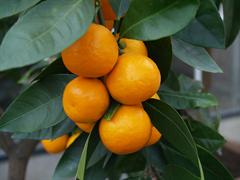
This is most commonly used to produce nursery stock outdoors; but in cold climates, large containers are sometimes used to grow plants that can be placed outside in summer, and moved under cover in winter. Citrus for instance, have been grown this way in England, France and other places for hundreds of years.
Trellising
This is used to support and train deciduous and vine fruits.
Hedges
Hedging is sometimes used for tree and berry fruits. It is also used for growing nursery stock plants (to provide cutting propagation material).

Enrolling is easy - just go to the top of this page and select your study method and payment option.
If you have any questions about studying with ACS, or want to know more about any of our courses, get in touch with our specialist tutors today.
They will be happy to answer your questions and look at different study options to fit in with your goals.