COURSE STRUCTURE AND CONTENT
The course comprises 8 lessons as outlined, below.
Lesson 1. Introduction to Animal Care
Laws and licenses, Animal Charities and Societies (e.g. RSPCA, WSPA, Blue Cross), Pet Care Needs (feeding, watering, shelter, containment, fencing, caging, protection), Maintaining Health, Hygiene.
Lesson 2. Cats
Breeds (Lang Haired, Semi Long Haired, Short Haired, Oriental etc.), Cat Selection, Allergies, Containment, Sexing, De-sexing, Breeding, New-born Kittens, Exercise, Behaviour, Hygiene, Feed and Nutrition, Amount of Food, Watering, Grooming, Travelling, Care for a Sick Cat (Signs of illness, Temperature, Common ailments, Skin disorders, Ticks), Cats and Wildlife.
Lesson 3. Dogs
Dog Selection, Breeds (Pure and Mixed), Varying Size and Temperament, Grooming, Skin Care, Inherited Traits (aggression, deafness), Containment, Breeding, De-sexing, Exercise, Behaviour, Feeding, Canine Nutrition, Bones, Watering, Training, Travelling, Identifying Sickness.
Lesson 4. Birds
Bird Selection, Breeds (e.g. Canaries, Finches, Budgerigars, Small Parrots etc.), Sexing, De-sexing, Containment (Aviaries – selection, design, size, management),
Feed and Feeding, Watering, Grooming (Wing trim, Beak Trim, Nail Trim), Hygiene, Catching and Restraining, Travelling, Caring for the Sick Bird, Signs of Illness, Temperature, Supportive Therapy, Common Ailments (e.g. Abscesses, Alopecia, Apoplexy, Aspergillosis, Breathlessness, Constipation, Parasites), Safety in the Home.
Lesson 5. Fish
 Fish Selection, Inside or Outside, Warm or Cold Water, Number of Fish, Types of Fish (Tropical, Marine, Cold Water), Costs, Size, Equipment (Tanks, Ponds, Pumps, Aquariums, Night lights), Water Quality, Changing Water, Feed (Pelleted, Live Feed – Daphnia, Brine Shrimp), Illnesses (Fungal, Bacterial, Parasites, Environmental).
Lesson 6. Rabbits
Rabbit Breeds (Large, Small and Dwarf), Selection, Legality (Illegal in some areas), Containment (Hutch or Cage), Environment (Temperature etc.), Feeding, Nutrition, Watering, Feed Quantities and Routine, Grooming, Handling, Moulting, Transporting, Sexing, Breeding, Identifying illness (Coccidiosis, Snuffles, Myxomatosis, Sore Hocks, Pasteurellosis, Ear Canker, Heat Stroke, Cannibalism, Circovirus Disease),
Care of Sick Rabbits
Lesson 7. Reptiles and Amphibians
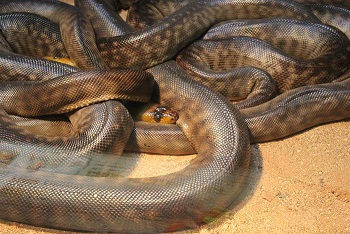 Types (e.g. Salamander, Frogs, Venomous Snakes, Non-venomous Snakes, Shingle-backed Lizard, Tortoises, Terrapins, Axolotls, etc.), Selection, Legal Issues, Housing, Environmental Requirements (Moisture, Humidity, Warmth, etc.), Terrariums, Problems (e.g. Dehydration, Stress, External and internal parasites, Blisters, Scale Rot, Mouth Rot or Canker, Colds/pneumonia, Constipation and Diarrhoea, Cannibalism, Incomplete sloughing of the skin - shedding of the skin), Feed and Feeding, General Care.
Lesson 8. Guinea Pigs, Hamsters and Mice
Varieties, Selection, Containment, Sexing, Breeding, Grooming, Feeding, Watering, Illness (e.g. Skin Problems, Abscesses, Mites, Ringworm, Fleas, Respiratory Infection, Vitamin C Deficiency, Otitis, Salmonella, Stripping etc).
Each lesson includes set tasks, and is completed with an assignment which the student submits to their course tutor. The tutor will mark the assignment and return this to the student with comments and suggestions for further reading.
Course Duration: 100 hours.
Start Date: Start at any time - study at a pace that suits you, and with full tutor support for the duration of your studies.
LESSON AIMS
- Discuss the general principles of pet care, as they relate to a wide range of different types of pets.
- Describe routine care for cats. Compare the characteristics of different cat breeds.
- Describe routine care for dogs.
- Compare the characteristics of different dog breeds.
- Describe routine care for birds as pets.
- Describe routine care for fish · Describe routine care for rabbits as pets.
- Describe routine care for reptiles and amphibians.
- Describe routine care for rodent pets.
WHAT YOU WILL DO IN THIS COURSE
- Develop timetables for husbandry tasks to be undertaken over a typical week, caring for a specific breed of animals.
- Recognize things that indicate a dog is sick – diet and temperament.
- Develop a checklist of things which should be done regularly to ensure the good health for pets.
- Determine things a person should consider when trying to decide what type of pet to acquire.
- Compare the requirements and restrictions for keeping different animals as pets in your locality.
- Discuss the advantages/disadvantages of keeping different types of cats.
- Explain why is it particularly important to de-sex cats and when de-sexing should be carried out.
- Discuss the nutritional requirements of a cat, and identify the cause of N.S.H., and its early signs.
- Describe problems associated with long haired dogs.
- Discuss a dog’s sleeping requirements if it lives in a temperate climate.
- Explain problems can arise through over feeding a dog.
- Identify ideal diet for a dog.
- Explain why puppies under 6 months should be allowed to exercise themselves.
- Determine common signs of a general disease condition in a dog.
- Explain why birds moult.
- Discuss the characteristics of large, open aviaries, and all their requirements.
- Discuss how a small bird should be caught in its cage.
- Explain what breathlessness indicates in a bird.
- Discuss factors are common in the care of all fish.
- Explain why it is important to maintain the correct level of oxygen in water for fish.
- Discuss differences in requirements for caring for salt water fish compared with freshwater fish.
- Explain the handling, caging, feeding and other aspects of rabbit care.
- Discuss different colours and breeds of rabbits.
- Discuss the environmental/caging needs of all reptiles.
- Discuss the feeding requirements of reptiles.
- Explain the handling of reptiles.
- Discuss the care of both sick and healthy amphibians and reptiles.
- Explain how to determine the sex of a guinea pig, and the age do they reach sexual maturity.
- Explain the temperature to keep guinea pigs at, and what happens if the temperature drops.
- Explain the feed and nutritional needs of rodents.
- Discuss what can happen if a female hamster with a litter is disturbed.
- Explain how many litters a year could a female mouse produce if not prevented from doing so.
- Explain health and disease problems associated with mice
Pet Care is an excellent foundation course for anyone who works with animals, or who wants to, and a great course for people interested in their pets.
Who Should Study This Course?
This course is suitable for different people including:
- Veterinary assistants
- Pet shop workers
- Pet supplies workers
- Animal breeders
- Pet owners
- Anyone interested in pat animals
Study with us to develop your pet care skills.
LEARN MORE.
If you have any QUESTIONS, please, contact us - use our FREE COURSE COUNSELLING SERVICE
to get in touch with our specialist animal and pet tutors. Choosing the
right course is important and they are there to help and advise you on
the making the right choice.