Make sustainability a reality and learn how to be self sufficient
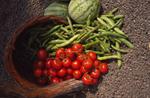 This course provides a foundation for moving toward a more self sufficient way of living.
- Explore the possibilities of self-sufficiency, health, nutrition and clothing, horticulture herbs, fruit and vegetables, animal husbandry and more.
- Start at any time and study at a pace to suit you.
COURSE STRUCTURE
There are 10 lessons in this course:
1. Understanding the possibilities
- Understanding Modern Society and the Scope and Nature of Self Sufficiency
- What is Self Sufficiency
- What is Needed to make a Change
- How to Start
- Getting the Right Attitude
- Being Realistic
2. Health, Nutrition and Clothing
- Introdyction to a Balanced Lifestyle
- Health and Fitness
- Understanding Anaerobic and Aerobic Exercise
- Mental Health
- Understanding Food and Human Nutritional Needs
- Clothing Needs
- Safety with Fabrics
- Protective Clothing
- General Care and Hygiene for Everyday Clothing
- First Aid
3. Horticulture - Fruit and Vegetables
- Scope and Nature of Horticultural Production
- Selecting and Planning for a Vegetable Crop
- No Dig Growing
- Review of Different Vegetabl;es
- Growing Fruit
- Berry Fruit
- Nuts
- What to Do with Excess Produce: Preserves, etc
- Resources for More Reliable Information
4. Growing and Using Herbs
- Introduction
- Cultivation of Herbs
- Natural Pest Control and Companion Planting
- Herbs for Different Situations
- Harvesting Herbs
- Handling Fresh Herbs, Drying Herbs
- Cooking with Herbs
- Herb baths
- Propagating Herbs
5. Animal Husbandry
- Short Cuts for Animal Rearing
- Chickens : Feeding, Watering, Housing, Health
- Turkeys
- Geese
- Ducks
- Bee Keeping
- Locating a Hive
- Honey Production
6. Animal Husbandry
- Overview: Cattle, Sheep, Goats, Horses, and Pigs
- Livestock Terminology
- Feeding Animals on Pasture
- Pasture Management
- Housing, Shelter, Fencing
- Animal Health and Disease Management
- Breeding
- Keeping Pigs
7. Building
- Introduction to Earth Building
- How to Make Mud Bricks
- Building Foundations
- Laying Bricks
- Wall Finishes
- Using Fasteners : Nails, Screws, Bolts
- Building Tools
8. Energy
- Scope and Nature of alternative energy sources
- Comparing Renewable Energy Sources
- Solar Energy
- Wind Power
- Solar House Design
- Energy Conservation
- Growing and Using Wood for Fuel
- Choosing a Wood Burning Appliance
- Environmental Aspects to Burning Wood
- Care and Maintenance of Wood Stoves, Chimneys
9. Craft and Country Skills
- Scope and Nature of Crafts
- Marketing Home Crafts
- Protecting Your Work
- Painting
- Candle Making
- Other Crafts: Pot Pourri, etc
- Rustic Timber Structures
- How to Join Timbers
- Tool Maintenance
- Cleaning and Sharpening Tools
10. Making Decisions
- Scope and Nature of Decision Making
- Risk Management -Preparing for Emergencies
- Preparing for Fire
- Making Money - Small Scale Home Based Businesses
- Growing things to Sell on a Small Property
Each lesson culminates in an assignment which is submitted to the school, marked by the school's tutors and returned to you with any relevant suggestions, comments, and if necessary, extra reading.
AIMS
- Discuss the nature and scope of self sufficiency.
- Explain the importance of good nutrition and health.
- Explain the importance of suitable clothing and clothing care.
- Explain the relevance and application of horticulture to self sufficiency.
- Explain the cultivation and use of herbs.
- Explain the main requirements for successfully raising animals.
- Explain the fundamentals of caring for grazing animals.
- Explain the available alternatives to eating meat.
- Discuss various building techniques that can be used to construct buildings.
- Discuss alternatives to conventional energy sources.
- Determine and describe accessible craft and country skills that may contribute to self sufficiency.
- Analyze potential changes in lifestyle to increase a person’s level of self-sufficiency.
SOME OF THE THINGS YOU MAY DO IN THIS COURSE
 Identify essential and non-essential services offered by society
 - Identify services that one can be self sufficient with
- Identify self skills that can aid in self sufficiency
- Obtain skills that can be developed to assist in self sufficiency
- Identify needs, wants and likes; and the purpose of prioritising needs
- Identify items one can provide for oneself
- Develop cost efficient meals
- Identify purpose of fitness to self sufficiency
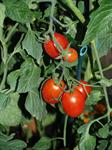
- Plan a food garden
- Identify crops plants most suited to a persons locality that assist in self sufficiency
- Explain the use of bees hives, poultry and other animals for self sufficiency
- Estimate carrying capacity of a piece of land for animal stocking
- Describe multipurpose animal stocking and their uses
- Consider energy alternative techniques such as wind, solar, water fire, etc.
- Reduce present energy usage
- Candle making
- Cloth and garment making processes
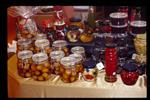
- Practice food preservation techniques
- Practice handicraft techniques
- Identify criteria when planning to set up a self sufficient lifestyle in a new location
- Identify criteria on how to improve self sufficiency in present location
You Can Do it with Passion, Knowledge and Persistence
 Modern society is complex. It relies on a massive network of interrelationships between individuals and groups. Each part of society supports other parts. To live in modern society you need to be in a niche contributing to the system; in return the system supports you. To be more self sufficient than you currently are, does not mean you need to drop out, but it does require change.
Being part of society does have advantages:
- It allows for efficiencies of scale i.e. when something is made in large quantities, it can be produced more efficiently: it allows for specialized development of skills (i.e. if a person is able to concentrate on one job they can become more proficient at that job).
- It also buffers the effect of a mistake (i.e. if someone has an accident, the system supports the person until they recover - through an insurance scheme or government welfare; the expense of the accident is shared by many).
What is self-sufficiency?
The concept of self sufficiency is all too often bandied around without people properly understanding what it all means. Consider the following statements:
- To be self sufficient is to produce the things which you need to survive without the assistance of outside people.
- You can produce some of your needs and be partly self sufficient, produce all of your needs and be completely self sufficient.
- An individual person can be self sufficient, a small group (e.g. a family) can be self sufficient, or a large group can be self sufficient (you might think in terms of a whole society, city or nation).
To become self sufficient usually involves making certain compromises or concessions in your lifestyle. You might have to wear different types of clothing, adapt to a different level of mobility or change your diet. The degree to which you can achieve self sufficiency is usually related to the degree to which you are willing to make compromises.
- Large areas of land are not necessary to become self sufficient. Depending on what you produce and how you produce it, you can become relatively self sufficient on even a standard suburban house block.
- Bartering or swapping goods and/or services is a way of living often adopted by those interested in self sufficiency; although this does not strictly fall in line with a true self sufficient life-style, the barter system helps by removing (mostly) dependence on the monetary system.
- The concept of a system that is self-perpetuating, working within the cycles of nature is often part of the self-sufficient ideal. The concepts of permaculture, companion planting and alternative medicine all become part of that ideal - seeking to establish a self-supporting system both economically and environmentally.
What is needed to make a successful change?
 Firstly, in order to make the change from a reliant to a self-reliant way of living, a trade needs to be made: money for time. People who do successfully make the change often have a feeling of empowerment; they have reduced their reliance on purchased goods, finding that they really can live without the so called ‘trappings of modern society.’ Some have a sense of freedom; a narrowing of choice requires less energy. This time and energy must then be used to build, grow, sew, cook and so on in order to supply basic daily needs that were previously supplied by the money earned.
Once people realise they can trade money for time they need to consider their approach to everyday life; evaluate their real needs as opposed to their perceived needs. You may need to compromise to achieve a balance between the things you would like to have and the things you are able to provide yourself with. A self sufficient lifestyle might make you less dependent on society, but this might only be possible at the expense of giving up luxuries.
A good place to start is to look at and answer the following questions:
- What can you live without?
- What can’t you live without?
- How far do you want to go in being self-sufficient?
- What knowledge and skills do you have i.e. practical, management, budgeting and organisational?
- What skills do you need?
- Have you considered how much life will really change?
- Do you understand the physical work involved?
- Are you fit enough both mentally and physically?
- Are you prepared to compromise?
On a practical level make up a list of all the goods and services you get from modern society such as, doctors, chemist (medicines), cleaning aids, meat, vegetables, cereals, clothing, and electric heating and so on. Then go through the list and note the goods and services that you think you could supply for yourself and also those you could not. Then have another look at the list and note all the skills that you already have and those that you will need in order to supply these goods yourself. From this you will gain a fair idea of where your skills and skills shortages are.
WHAT NEXT?
Register to Study - Go to “It’s Easy to Enrol” box at the top of the page and you can enrol now.
or
Get Advice – Email us at info@acsedu.co.uk OR
Use our FREE COUNSELLING SERVICE to contact a tutor
CLICK TO CONTACT US