COURSE CONTENT
This course has eight lessons as follows:
Lesson 1. Scope and Nature of Forage Resources
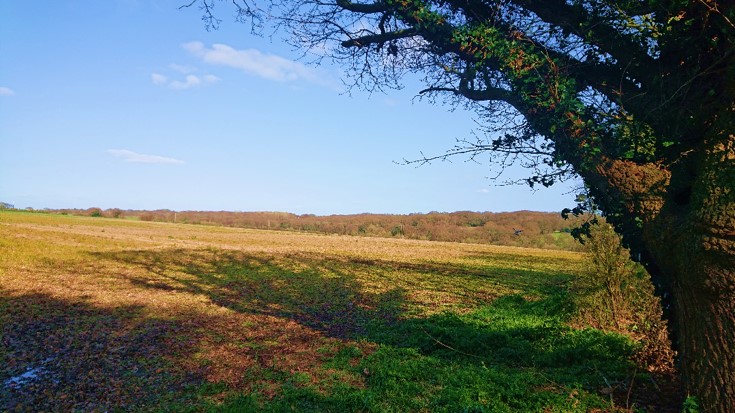 Introduction Introduction- Terminology
- Types of Forage
- Types of Forage Lands
- What different Animals Eat - Avian, Monogastric, Ruminants, Pseudo Ruminant
- Managing Forage Ecosystems
- Over grazing
- Continuous vs Rotational Grazing
- Ecosystem Health
- Weed Types
- Weed Populations
Lesson 2. Grassland Species and Ecosystems
- Different Ways to Feed Animals
- Different Fodder Systems
- Different Fodder Plants - grasses, legumes, roots, wildflowers, forbs
Lesson 3. Fodder Trees and Shrubs
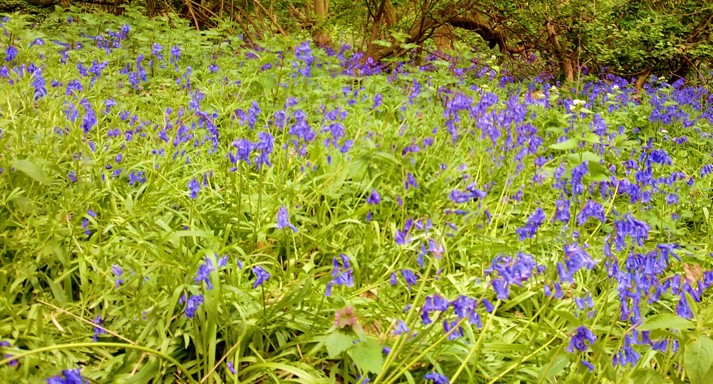 Definitions Definitions- Advantages & Disadvantages of Fodder Trees
- Using Fodder Trees
- Harvesting Foliage - pollarding, coppicing, browse blocks, leaf fall, silvopasture systems
- Criteria for plant selection
- Financial considerations
- Considering Tree Species - Acacias, Bamboos, Beech, Black locust, Carob, Honey Locust, Pome Fruits and many more
Lesson 4. Forage Establishment
- Natural area Grazing
- Seeding
- Soil - soil biome, rhizosphere, autotoxicity
- Weed Management
- Biodiversity -riparian zone, birds
Lesson 5. Forage Management
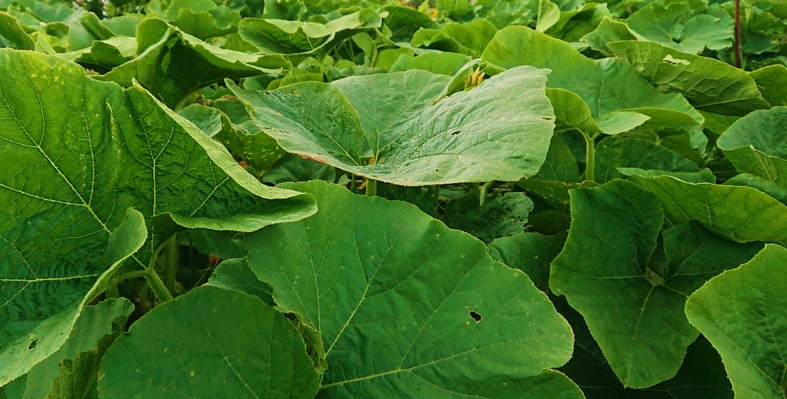 Regenerative Grazing Management Regenerative Grazing Management- Improving Soil Quality
- Strategies for Soil Improvement - crop rotation, tillage, zero tillage, fertility testing, soil compaction, soil cover
- Fertiliser Management
- NPK
- Using Legumes
- Irrigation Management
- Animal Management
- Animal Access Management - hedges, wire, barbed wire, electric fence, stone walls, banks/rises, gates, digital fencing tech
- Controlled Burning
- Pest and Disease Management
Lesson 6. Forage Quality and Use
- Understanding Quality -palatability. intake, digestibility. nutrients, anti quality forage, animal performance
- Composition and Analysis- moisture content, crude protein, fibre, energy, minerals, relative feed value etc
- Cutting
Lesson 7. Forage (animal) related disorders
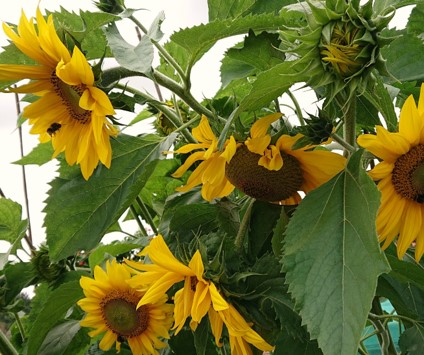 Recognising ill health Recognising ill health- Seasonal and Conditional Disorders -bloat, acidosis, nitrate poisoning, prussic acid, grass tetany, phytoestrogens, etc
- Overgrazing
- Parasites
- Worms
- Species Related Disorders - fescue taxicosis, endophyte toxins, ryegrass staggers, anti quality components, phenolic compounds
- Seasonal and Conditional Disorders -plant poisoning
- Disorders Associated with Stored Forages
Lesson 8. Preserving Forage as Hay and Silage
- Making Hay - curing, weather factors, etc
- Mowing
- Conditioning
- Swathe Manipulation to Speed Drying
- Hay Storage and Preservation
- Phases in Silage Fermentation
- Silage Storage
- Silage Management
AIMS:
 Discuss the nature and scope of forage plants eaten by animals, both in captivity and in the wild. Discuss the nature and scope of forage plants eaten by animals, both in captivity and in the wild. - Identify the comparative characteristics of grasses and other low growing fodder plants from different natural and created habitats, including grasses, legumes and forbs.
- Identify the comparative characteristics of grasses and other low growing fodder plants from different natural and created habitats including a range of trees and shrubs.
- Explain how forage plants may be established effectively in a managed pasture.
- Explain how to manage a landscape to optimise forage production in a way that is sustainable, both economically and environmentally.
- Explore factors that impact the quantity and quality of forage produced by a landscape and the effect on productivity of forage production.
- Identify common problems that can arise in livestock and other animals as a result or the forage/fodder they eat.
- Harvest and store forage plants for feeding animals after a period of storage.
Why Study Forage Management?
Managing environments and promoting natural ecosystems is key to generating sustainable environmental systems.
- Gain knowledge and understanding in how to establish forage plants pastures and established landscapes - an important part of the management of lands and their environment.
- Understand how better to manage pasture to provide all year round grazing and forage, whilst managing soil quality, irrigation, and the access livestock and animals have to these areas.
- Learn from highly knowledgeable and experienced academics. Study online or by eLearning- studying whenever and wherever you want. Enrol today and start learning!
If you have any questions at all, our forage management tutors are more than happy to help.
Or
|