COURSE STRUCTURE
The course is divided into 12 lessons as follows:
1. Introduction
Classifying and identifying Plants
Plant culture
Soils
Plant nutrition
Watering/irrigation
Understanding drainage
Temperature
Light
Humidity
2. Plant Health Management
How to diagnose a problem
Pests
Diseases
Nutrient imbalances
Frost
Sunburn
Chemical damage
Insufficient light
Overwatering
3. Stock Maintenance
Quality standards
Buying in new stock
Inspecting stock
Extending stock shelf life
Disposing of below-standard stock
Watering techniques
Fertilising plants
Pest and disease control
4. Display and Display Techniques
Display units
Product location
Sales area layout.
5. Garden Product Knowledge
Plant containers
Labels
Soil and potting mixes
Garden equipment
Garden tools
6. Garden Product Knowledge II
Chemicals
Fertilisers
Containers and baskets
Terrariums
Cut flowers.
7. Plant Product Knowledge - Indoor Plants
Major groups
Common problems
Plants for specific situations
Customer attitudes
8. Plant Product Knowledge -General Container Stock
Trees
Shrubs
9. Plant Product Knowledge - Edibles and Flowers
Seedlings
Bulbs
Herbs
Perennials.
10. Plant Product Knowledge - Other
Deciduous Trees
Fruit
Nuts
Berries
Seed
11. Retail Nursery Marketing
Pricing strategies
Advertising
Promotional strategies
12. Management Methods
Staff control
Managing for staff productivity
Work scheduling
Irrigation
AIMS
At the completion of this course you should be able to:
- Classify and identify a range of different plants, according to their botanical characteristics.
- Describe a range of plant health problems and their treatments.
- Understand the importance of maintaining healthy stock and its relationship to maintaining a profitable business.
- Demonstrate knowledge of a range of garden products sold through garden centres.
- Demonstrate knowledge of a range of plants, including indoor plants, container-grown plants, deciduous plants, bulbs, herbs and perennials.Describe effective marketing techniques.
- Demonstrate knowledge of management procedures.
Scope of this Course
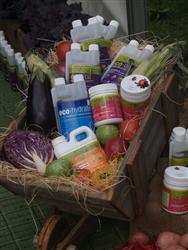
Garden Centres buy plants from production/propagation nurseries and resell them at a profit. ‘Greenlife’ (the term used by the industry distinguish plants from other nursery products) sold by the retail sector include seedlings, bulbs, containerised and bare-rooted plants and trees. In addition garden centres sell associated products such as dry goods (pots, packaged potting mixes, fertilisers, sprays) and bulk landscaping materials.
In developed countries there has been an increasing emphasis on the supply of ‘lifestyle products and services’ in retail outlets, such as outdoor furniture, gift lines, display gardens, cafés and landscaping services.
 For many garden centres, the greatest source of income remains a plant sales though; and with that in mind, this course focuses mostly on the plant supply side of the garden centre.
What to Stock?
It has often been said that the downfall of a nursery manager is being "too much of a plant collector and not enough of a businessperson".
Most people who work with plants love plants, and it is very easy to be tempted and grow the types of plants which you love most. This is often the nursery manager's 'Achilles heel'! It is essential to choose what you grow carefully. It is pointless growing lots of plants if there is no demand for them.
Some plant varieties require more space than others. Sprawling climbers or ground covers can take up a lot of room, while tall slender trees can take less. Slow growing plants don't have to be sold as soon as they are good enough for sale, but fast growing plants deteriorate fast so must be sold quickly, unless you have the resources to continually keep potting them up into larger containers.
Some of the main choices are:
- Trees and shrubs – climbers, conifers, deciduous plants, ground covers, fruit trees and vines, native trees and shrubs, exotic trees and shrubs.
- Bedding plants - annual flower and vegetable seedlings, potted colour.
- Foliage plants – indoor foliage and flowering plants, hanging baskets, palms and ferns.
- Herbs.
- Perennials and cottage garden plants.
- Bulbs and tubers.
- Water plants.
- Bonsai.
You may choose to have a general nursery, growing or selling a wide range of plant types; to choose a theme, such as bonsai or cottage gardens; or to concentrate on a specific type or variety of plant, such as carnations, fuchsias, roses or geraniums.
Reasons to Study This Course
This course is as useful for workers in garden centres as it is for those managing them. It provides students with a thorough insight into how to set up and display garden centre products and plants, through to maximising sales and staff productivity. Whilst it is primarily aimed at garden centre staff it is also relevant to nursery staff, especially retail nurseries, and also garden shops associated with commercial and tourist garden or park locations. The course will appeal to people working in, or planning to work in, the following areas:
- Garden centre
- Retail nursery
- Garden shop
- Parks & gardens
- Ecotourism
- Wholesale nursery
WHAT SETS ACS APART?
Service – We put the student first. Tutors and administration can be contacted 5 days a week, 50 weeks of the year, by phone or email.
We provide Better Learning – We’ve been delivering distance education for over 3 decades, and we understand how people learn by home study.
Our methods are unique, developed through experience with a focus squarely on helping you learn.
Up to Date – We are continually revising and updating courses. We listen to our students feedback and we always improve the course if a change is identified that will help significantly improve your learning.
More Choice – Graduates need a set of skills that will set them apart and give them an advantage over competition in the world after study. We have a wide variety of study choices, and give you lots of options to choose different paths throughout a course. Doing this has meant our graduates very successful.
No Short Cuts –You can’t take short cuts in learning, and that is why our courses are often longer than you will find elsewhere. You could choose to study a short course, quickly sit an exam (while the information is fresh) and pass, but if you want to really understand something and retain it, that takes time.
More than just Learning Facts – We understand that success in the workplace or business requires you to not only learn things, but also build networks, understand the commercial world, be able to solve problems, communicate with people, and have an attitude that will function in your chosen industry.
WHAT NEXT?
Register to Study - Go to “It’s Easy to Enrol” box at the top of the page and you can enrol now.
or
Get Advice – Email us at info@acsedu.co.uk OR
Use our FREE COUNSELLING SERVICE to contact a tutor
CLICK TO CONTACT US