Course Content
Start Date: Start at any time - study at a pace that suits you, and with full tutor support for the duration of your studies.
Lessons: The course comprises 10 lessons as detailed, below.
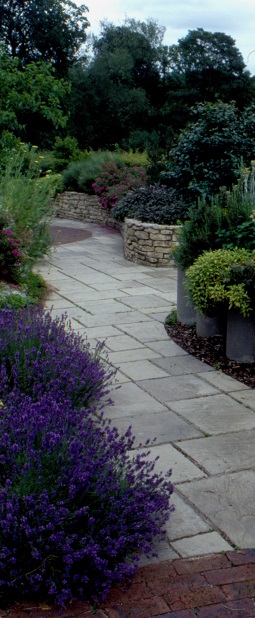
Lesson 1. Relationship between Outdoor Environments and Human Well-being
- What is Biophilia?
- Understanding Biophobia
- Health Problems of Biophilic Design
- Urban Heat Island Effect
- Psychological and Physiological Street
- Breakdown of Ecosystems
- Environmental Degradation.
- Health Benefits of Biophilic Design
- Theories of Stress Recovery -attention restoration, stress recovery
- The Value of Green Space
- Terminology -biophilia, biomimicry, cityscapes, urban landscaping, built environment, etc
Lesson 2. Design Considerations
- Evolution of Design Considerations.
- Not Designing for Use
- Do not Fail to Involve the Local Community
- Avoid Isolation from Nature
- Avoid Poor Accessibility.
- Connect with Nature
- Develop a Sense of Place
- Achieve Long-Term Sustainability
- Develop Sensory Stimulation
- Achieve Beneficial User Experience.
- Practical Considerations - Multidisciplinary Approach, Town Planning, Consideration of Outcomes.
- Looking at the Future - Further Research, Amendments to National Standards.
Lesson 3. Patterns and Principles in Urban Design
- Introduction.
- Design Principles.
- Design Patterns.
- Terrapin Bright Criteria
- Nature and Space Patterns
- Natural Analogue Patterns
- Nature of the Space Patterns
- Relationship to Health
- Application of Patterns
Lesson 4. Components of the Landscape
- Introduction - Biophilic Components.
- Hard Landscape Components - Surfaces, Stone and Brick, Timber, Metal.
- Soft Landscape Components - Turf, Plants.
- The Relationship Between Health and Design Components
- Direct Experience of Nature -light, air, water, plants, animals, weather, natural landscapes, fire
- Indirect Experience of Nature -nature images, natural materials, natural colour, information richness, biomimicry, etc
- Experience of Space and Place -prospect and refuge, organised complexity, transitional spaces, mobility and way finding, etc
- Some Natural Components in More Detail - Trees, Vegetation, Animals, Water.
- Water quality issues
Lesson 5. Providing Services to People
- Introduction.
- Five Principles of Healthy Places
- Healthy places improve air, water and soil quality
- Healthy places help overcome health inequalities
- Healthy places make people feel comfortable
- Healthy places optimise opportunities
- Healthy places are restorative
- Water Harvesting, Retention, and Re-use - Storm water, Rainwater, Urban Runoff, Integrated Urban Water Management.
Lesson 6. Affecting the Individual
- Biophilia in different Environments
- Environmental stress
- General Adaptation Syndrome
- Physiological effects of stress -gastric ulcers, immune system, heart disease
- Biophilia in the workplace
- Noise levels
- Temperature
- What biophilia can and cannot do
Lesson 7. Affecting Environmental and Climatic Conditions
- Water contaminants
- Chlorination
- Microbiological Problems
- Water quality in aquaria and ponds
- Legionnaires Disease in Soil and Potting Media
- Using Plants to Extract Contaminants
- Growing Plants in Contaminated Soils
- Biological Filters for polluted and waste water
- Air Quality
- Roof and Wall Gardens to Improve Air Quality and Aesthetics
- Roof Garden accessibility and safety
- What is a Vertical Garden -advantages and disadvantages
- Pruning to prevent problems
- Decorative Plant Supports
- Temporary Props
- Types of Roof Garden Installations
- Types of Wall Gardens
- Narrow Profile Green lines
- Plant Selection - considering climate, structure, aesthetics, etc
- Construction of Roof and Vertical Gardens
- Sealing with weight, water, leaks, heights, etc
- Waterproofing
- Plant damage
- Plant knowledge -epiphytes, ground covers, etc.
Lesson 8. Assessing and Analysing Existing Landscapes
- Assessing Component Attributes of a biophilic experience
- Using a checklist
- Problems of Assessment
- Measuring Pollutants - air, water, noise
- Creating Buffer Zones for Pollution.
- Using Windbreaks, Hedges, Screens
- Creating Shaded Areas
- Designing a New Home Garden using Biophilic Design Principles
- Creating a Natural Approach to Gardening
- Avoiding Problem Materials
- Disposing of Waste
- Work with Nature
- Simple Design Procedure
Lesson 9. Integrating Biophilic Design into Existing Landscape
- Introduction.
- Retrofitting Green walls and Roofs.
- Using hydroponics for a Vertical NFT Wall
- Redevelopment of Public Institutions - adding biophilic elements
- Redesign considerations
- Water Chemistry of Runoff - urban runoff quality, pollutant loadings, etc
- Improving water runoff and recycling - storm water management, biofiltration
- Reducing the Use of Pest Control Chemicals in the Garden
- Natural Pest and Weed Control
- Biocontrol
Lesson 10. Working in/ Improving Urban Development
- Introduction and Population Growth
- Challenges for Design - Green walls and Roofs, Permaculture, Hydroponics, Swales for Water Retention, etc.
- Working in Urban Development -Beatley's Biophilic City Qualities.
- Case Studies.
Course Aims
- Discuss the relationship between physiological and psychological health and outdoor environments.
- Determine the important biophilic factors which should be considered when designing or renovating an outdoor space.
- Explain different principles and patterns which have been identified as underpinning biophilic landscape design.
- Describe how different elements of an urban landscape can contribute in a positive way to human well-being.
- Describe how a range of landscaping techniques and methodologies can be utilised to benefit human wellbeing by encouraging use of public spaces.
- Evaluate the relationship between the health of individuals and different environments, and how biophilic design can be of benefit to well-being.
- Evaluate landscapes and determine actions that can be taken to improve the environmental conditions of people in those places.
- Understand how to assess and analyse existing landscapes.
- Redesign a landscape to meet biophilic requirements for a renovation of an existing landscape.
- Create a design to show how an urban (town or city) location may be improved to meet biophilic criteria.
Learn to Design More People Friendly Landscapes
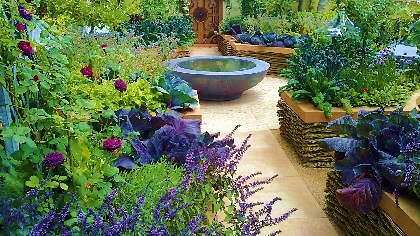 Learn to Design More People Friendly Landscapes.
- Learn how to apply biophilic design concepts to -
- Gardens.
- Parks.
- Industrial Landscapes.
- Commercial Landscapes.
- City and Urban Streets.
- Any other outdoor environments.
- Understand and evaluate how landscapes impact on the mental and physical well-being of people.
- This is an important course for -
- People working in the landscape industry.
- Professionals engaged in developing the environment, such as architects, planners, health service provides, builders and more.
FREQUENTLY ASKED QUESTIONS
Where Can Biophilic Landscaping Be Used?
What you learn in this course has very real applications in both rural and urban environments; in commercial and residential situations; and in fact any situation. It does however have a particularly important relevance to places where the environment is under greater stress, and often that will be in cities and their surrounds.
What Qualifications can this Lead?
This substantial course can be counted as a credit toward certificate or diploma qualifications with ACS; or bachelors degrees with our partner Warnborough College.
What skills will be learned?
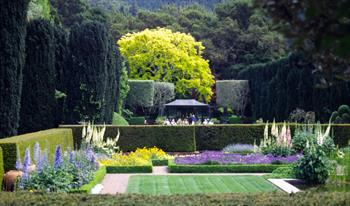 Discover and learn about the relationship between outdoor environments and human wellbeing.
- Determine how natural elements and greenery can be used to reduce stress, anxiety & depression, and promote attention, concentration & memory.
- Learn how to use biophilic design concepts and different natural components in the landscape.
- Understand how to integrate biophilic concepts into existing landscapes.
Making The Right Choice
Choosing the right course and the right options is important. If you have any questions, please get in touch with our Horticulture tutors - - they will be happy to answer your questions and discuss your goals.