COURSE CONTENT
Start Date: Start at any time - study at a pace that suits you, and with full tutor support for the duration of your studies.
Lessons: The course comprises 10 lessons as outlined, below.
Lesson 1. Introduction to Organic Farming
What is Organic Farming
Benefits of Organic Farming
Scope
Organic Techniques
Soil Microbiome
Decomposition
Nutrient Cycling & Availability
Lesson 2. Integrated Farm Management Systems
Farming Systems
The Variables
Choosing a Production System
Types of Organic Farming
Polyculture
Biodynamic Farming
Permaculture
Crop Rotations
No Dig Growing
Broad Acre Cropping
Row Cropping
Animal Production Systems
Paddock Grazing
Strip Grazing
Free Range
Grazing Modifications
Animal Breeding/ Stud Operations
Lesson 3. Organic Management Issues
Approaches to Organic Production and Manufacturing
Benefits of an Ethical Approach
Consumer Law and Self Labelling
Organic Certification
Organic Standards
Changing an Existing Farm or Organic Property
Example of a Certification Process
Marketing Organic produce
Managing Resources for Long Term Sustainability
Land care Programs
Land Rehabilitation
Hostile Environments
Planning
Water Management
Water Saving
Waterlogging
Waste water Treatment
Lesson 4. Organic Soil Management and Crop Nutrition
Introduction
Composting on Organic Farms
Mulching on Organic Farms
Green Manuring
Cover Crops
Sheet Composting
Organic Fertilisers
Animal Manures
Poultry Manure
Blood and Bone
Rock Dusts
Seaweed
Boosting the Soil Microbiome
Lesson 5. Weed Management
What is a Weed
Plants that Take Over
Environmental Weeds
Noxious Weeds
Controlling Weeds
Ways to Control Weeds without Chemicals
Minimising sources of Weed Seeds
Cultivation
Mulching
Biological Weed Control
Grazing
Organic Weed Control Practices
Reviewing Techniques
Lesson 6. Pest and Disease Management
Introduction
Managing Livestock Diseases
Animal Health signs
Temperature Respiration, Pulse etc in a healthy animal
Recognising Ill Healthy
Causes of Poor Health - Injury, Poisons, Genetics, Nutrition
Disease Organisms
Parasites
Preventing ill Health
Avoid Stressing Animals
Preventing Diseases entering the farm
Good Hygiene
Treatments = Dipping, Vaccinations
The First Aid Kit
Animal Nursing - The Hospital Pen and Monitoring
Quarantine
Slaughter
Post Mortem
Controlling Pest & Disease on Plants
Cultural Controls
Physical Controls
Traps
Repellents
Organic Sprays & Dusts
Biological Control
What about Companion Planting.
Lesson 7. Livestock Management I
Organic Livestock
Managing Livestock
Choosing Animals to Raise
Stages in the Livestock Life Cycle
Livestock Shelter
Animal Management for Wool and Meat Production
Organic Milk Production
Organic Beef Production
Animal Foods
Groups of Foods
Feed Terminology
Food Processing Terms
Water
Lot Feeding
Site Requirements for Feedlots
Managing Cattle in Feedlots and associated Problems
Pen Fattening of Cattle - One Method
Feedlot Records
Lesson 8. Livestock Management II
Poultry
Goats
Alpacas
Ostriches
Deer
Aquaculture
Aquaculture Systems
Water Containment
What Species to Farm
Lesson 9. Pasture
Managing Pastures
Seed Coating
Growth and Development of Grasses
Importance of Legumes
Rhizobium
Lucerne
Clovers, Vetches, Lotus, Sainfoin
Other Pasture species
Site Considerations
Climate
Seed Mixes
Establishing a new Pasture
Sowing & Germination
Testing the Soil Microbiome
Weed Control
Grazing a New Pasture
Grassland Management
Rests based on Animal Requirements
Major Types of Pasture Grasses
Pasture Management Principles - Grazing Period, etc
Applying Management Principles = Split season stocking, continuous light etc
Lesson 10. Crops
Wheat
Plant Fibre
Hay and Silage
Mung Beans
Sesame seed
COURSE AIMS
On successful completion of the course you should be able to do the following:
- Discuss the scope and nature of organic farming in today’s world.
- Select appropriate organic management systems for different organic farms.
- Understand the environmental, economic and political issues concerning organic farming.
- Explain the role of living organisms
and decomposing organic matter in creating and maintaining an
appropriate soil condition for successful organic farming.
- Determine and apply appropriate weed management practices for an organic farm.
- Select and apply appropriate pest and disease management practices for both animal and plant production on an organic farm.
- Design an appropriate system for organic production of cattle, sheep and pigs.
- Design an appropriate system for organic production of poultry and other miscellaneous animals.
- Design an appropriate system for organic pasture management.
- Explain the broad-acre organic production of a grain or legume crop.
WHAT THE COURSE COVERS
Here are just some of the things you will be doing:
- Investigate Organic industry such as, Certifying Organisations, Producers or organic farming groups in your locality or region.
- Determine allowable inputs to an organic farm certifying in your area.
- Discuss how an organic farm requires more labour than a conventional farm.
- Visit an organic farm, either a real visit or virtual visit if that is not possible.
- Prepare a plan for an organic farm.
- Describe the conversion process for one of the organic farms.
- Investigate organic market potential.
- Prepare a compost heap.
- Prepare a diagram of a healthy soil food web.
- Prepare a weed collection (25 weeds – either pressings or illustrations).
- Determine appropriate weed control within allowable organic farming limits.
- Describe the life cycle of three animal parasites.
- Describe habitat requirements of various predatory insects.
- Survey one or more farms regarding animal production systems.
- How can the animals above be integrated into a vegetable or fruit production system.
- Determine organic solutions to different farming problems.
- Investigate different pasture management systems.
THE ORGANIC APPROACH TO FARMING
Conventional farming often depends on using artificial fertilisers and chemicals to:
Artificial fertilisers give excellent short-term gains
For very little work, farmers that use such fertilisers are able to make
a living from even the poorest quality soils. However, we pay a high
price for those quick returns. Both long and short-term fertiliser use
causes a range of environmental problems including soil salinity, algal
blooms in waterways, nitrification and erosion.
Sustainability - the organic approach
A very significant part of organic farming, whether animal or crop
production; is to create fertile, well structured soils that support
both plant and soil animal life without harming the environment. Organic
matter is recycled through the system to provide nutrients for plants
and to improve and maintain the condition of the soil.
All animals raised in certified organic operations must be allowed
access to the outdoors, and kept in living conditions that accommodate
the natural behaviour of the animals.
They must be wholly fed on feed from organic sources. They may not
routinely be given antibiotics, hormones or medications, but they may be
vaccinated against certain diseases. Diseases and parasites are
controlled through preventative measures such as sanitary housing,
stress reduction, rotational grazing and balanced diet.
Learn about integrated farm management systems, organic management issues, sustainable soil management and much more.
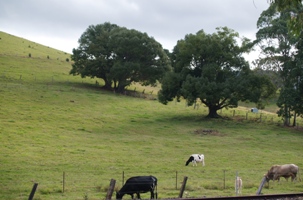 Learn about integrated farm management systems.
- Understand organic management issues.
- Be conversant with sustainable soil management, and much more.
- The course is suitable for farmers, farm workers, agriculture students and anyone working in farm supplies and services.
HOW THE COURSE WORKS
You can start the course at any time.
It is studied by distance learning, so you can study in the comfort of
your own home. But this doesn't mean you are all alone in your studies.
Our highly qualified and friendly tutors are there to help you every
step of the way. If you have any questions at all, they are always
happy to help.
Each lesson includes set tasks, and is completed with an assignment
which the student submits to their course tutor. The tutor will mark
the assignment and return this to the student with comments and
suggestions for further reading.
WHY STUDY WITH ACS?
- Our courses are written and taught by experienced professionals, so you know you can expect a high quality of teaching and support.
- You can start the course at any time and study at your own pace.
- Fit your studies around your own busy lifestyle - we provide full tutor support for all the time you are studying.
- Study where you want to - online studies offer the flexibility for you to determine where and when you study.
HELPING YOU CHOOSE THE RIGHT COURSE
If you are looking for a course to -
- update your existing farming knowledge
- expand your knowledge to organic farming
- improve your job and career prospects
- gain detailed knowledge of organic farming
Then this is the course for you.
You can study at your own pace and at a location that is convenient to you.
If you have any questions at all, our agricultural tutors are more than happy to help, so please ask.