|
Find Out How to Create Different Garden Styles
Over the centuries a broad range of garden styles have evolved in different countries which represent different cultures and their values. People often wish to create a particular style in their garden because it has some meaning to them or because they are attracted to it. In landscape design, it is important to have an understanding of different styles so you can help clients to create them or you can offer them to clients where they would make a good choice.
Be creative in your approach to design
In this immensely informative course you will learn about all sorts of garden styles from traditional styles like cottage gardens and formal styles to more modern styles and eclectic gardens which borrow from different themes. Learn how to alter the theme of a garden through use of colour, water and different textures and how to decide what to include to match a style to a location.
COURSE STRUCTURE
There are 10 lessons in this module as follows:
1. Creating the Mood
- Active or Passive Mood
- Simple or Complex Garden
- Movement in a Garden
- Light or Shade
- Increasing or Reducing Light: How to
- Working With Shade
- Garden Lighting
- Other Mood Factors
- What's Wanted (by you or a client)
- Personality of a Garden
- Keeping it To Scale
- Colour ands it's Use; plants, pots, statuary, other coloured features
- Impact of Buildings on Garden Colour
- Coloured Surfaces
- Understanding and Applying the Psychology of Colour
- Hot and Cold Colours
- Water and Colour
- Hot Coloured Plants
- Making Gardens Cooler
- Using Blue in the Garden
- Winter Warmth and Light
- Site Analysis
- Creating a Concept Step by Step
- Components of a Garden Room
2. Historic Gardens
- Historical Considerations and Historical Styles
- Types of Gardens: Formal, Informal, Natural, Resort, Colonial, Permaculture, Balcony
- Rose, Australian Bush, etc
- Cottage Garden Design
- How to Use Plants in a Cottage Garden
- Federation and Edwardian Gardens
3. Formal Gardens
- What is a Formal Garden
- Design Elements of a Formal Garden
- Locating a Formal Garden Bed
- Types of Formal Garden; Parterre, Avenue, Hedged beds
- Informality in the Formal Garden
- Plants for a Formal Garden Ornaments for a Formal Garden
- Traditional Furniture
- Formal Courtyards
4. Oriental Gardens
- Scope and Nature of Oriental Gardens
- Chinese Gardens
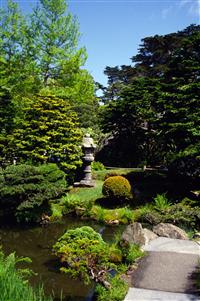
- Japanese Gardens
- Types of Japanese Garden: Hill and pond, Dry landscape, Tea garden, Stroll garden, Courtyard, Rock garden, Pebble garden
- Japanese Features; Tori, Moss, Deer Scarer, Bridges
- Bonsai
- Traditional Bonsai Styles
- Water in an Oriental Garden
- Ornamental Grasses
5. Middle Eastern and Spanish Style
- Scope and Nature
- Features of a Moorish Garden
- Sense of Enclosure Mexican Style
- How Mexican Gardens Evolved
- Using Coloured Gravels
6. Mediterranean Gardens
- Characteristics of a Mediterranean Garden
- Differences between French, Spanish, Greek, Italian Gardens
- Built Landscape
- Plants
- Use of Paint in the Garden Veranda Gardens
- Making the Most of Small Spaces
- Microclimate Management
7. Coastal Gardens
- Features of a Coastal Garden
- Dealing with Temperature, Humidity, Salt, Soil and Wind
- Coastal Plants
- Trees
8. Modern Gardens
- Scope and Nature of Modern Gardens
- Modern Technology in the Garden; lights, water, music, screens
- Working with Modern Architecture; making the garden sympathetic to shapes, angles, colour, etc
- Courtyards
- Inner City Gardens
- Types of Inner City Gardens
- Future Trends
9. Eclectic Gardens
- What is an Eclectic Garden
- Creating an Eclectic Garden
- Garden Ornaments
- Plants
- Living Art
- Topiary
- Hedges
- Miniature Gardens
- Using Junk in a Garden
- Pebble Gardens
- Art Gardens
- Public Gardens
10. Other Styles
- Dry land Gardens
- The Desert Landscape
- Xeriscapes
- Australian Bush Garden
- Cacti and Indoor Succulent Gardens
- Minimalist Gardens
- Permaculture Gardens
- Tropical Style Gardens
- Landscaping with Bulbs
- Bird Attracting Gardens
Duration: 100 hours
AIMS
On completion of this course you will be able to:
- Explain the use of colour, light, shade, temperature, water, foliage and other elements in establishing the mood of a garden.
- Describe gardens from different places and periods in history; and in doing so explain how to renovate and/or recreate gardens that reflect the style of different historic periods.
- Apply the principles, design features and elements that make up a formal garden.
- Discuss cultural and historical traditions that contributed to the development and style of the oriental garden.
- Discuss cultural and historical traditions that have contributed to the development and style of the Middle Eastern and Spanish garden.
- Discuss the historic, climatic and cultural influences which have contributed to the style of Mediterranean gardens.
- Discuss design styles of coastal gardens
- Explain the limitations and potential of coastal sites when preparing a landscape design.
- Discuss contemporary garden design styles and possible future trends in garden design.
- Identify the range of diversity possible in garden design.
- Identify characteristics of different garden styles including eclectic, dry land, permaculture, rain forest and tropical garden styles.
- Design different styles of gardens.
WHAT YOU WILL DO IN THIS COURSE
These are just some examples of the things you may find yourself doing: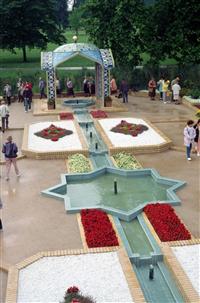
- Visit three (3) different gardens to assess the mood of each garden. Take time to observe each garden and try to identify the different elements that contribute to the garden mood.
- Observe how colour has been used in the three different gardens. Observe the colours of both plants and hard surfaces, and the way the colours have been combined.
- Visit an historic garden in your area. Identify all the different features that make this an historic garden.
- Visit a formal garden in your area. Identify all the different features that make this a formal garden.
- Visit an oriental garden either in person or by research. Search for more information on gardens that reflect the styles.
- Make notes of anything you find which is interesting and could be used in development of a Mediterranean style of garden in the locality in which you live.
- Visit a coastal region near where you live and observe the type of plants that are growing near the seashore. Also observe the plants and design elements of nearby gardens. (If you are unable to visit a coastal region, use descriptions of coastal sites and gardens from books, magazines and the internet.)
- Visit a modern courtyard garden (if there is no suitable garden in your area, use a garden described in a book, magazine or on the internet). Identify and describe the elements that make this a ‘modern’ garden. How has the designer overcome the restrictions of the site to create a feeling of spaciousness?
- Search through telephone books, magazines and the internet to find suppliers of materials suitable for eclectic gardens such as pots, sundials, pebbles, statues, wrought iron, tiles, gazebos, seats, wind chimes, etc. Visit as many suppliers as possible and inspect these materials. Find out about their cost, availability and longevity.
- Depending upon where you live, visit a dry land, permaculture, tropical, or rain forest garden in your area (if there is no suitable garden in your area, use a garden described in a book, magazine or on the internet). Identify and describe the elements that determine the style of this garden.
What This Course Could Do For You
This course is ideal for people wishing to expand on their garden design knowledge by developing a firm understanding of how to create different garden styles and themes.
It could serve as a platform for further study or be taken in conjunction with other modules to enhance your learning experience. The course is of most value to people working in or wishing to work in:
- Landscape Construction
- Garden Design
- Garden Maintenace
- Garden Restoration or Conservation
- Parks & Gardens
It could also add to the skill set of people wanting to start a garden design business, or be of value to people wishing to renovate a home garden.
WHAT NEXT?
Register to Study - Go to “It’s Easy to Enrol” box at the top of the page and you can enrol now.
or
Get Advice – Email us at info@acsedu.co.uk OR
Use our FREE COUNSELLING SERVICE to contact a tutor
CLICK TO CONTACT US
|